





The British government is rolling out a temporary summer support package aimed at making holidays and family outings more affordable while giving a boost to struggling leisure and hospitality businesses.
Under the programme, branded the “Great British Summer Savings” scheme, VAT on a range of family activities and children’s meals will be cut from 20 percent to 5 percent between June 25 and September 1, 2026.
The temporary reduction will apply to children’s menus as well as family tickets for cinemas, theatres, concerts, exhibitions and tourist attractions including amusement parks, zoos, museums and fairs.
The government says the plan is designed to ease pressure on households still dealing with high living costs while helping businesses attract more visitors during the summer period.
Children aged five to 15 will also be allowed to travel free on local bus services throughout August.
The programme is expected to cost around 300 million pounds ($403m).
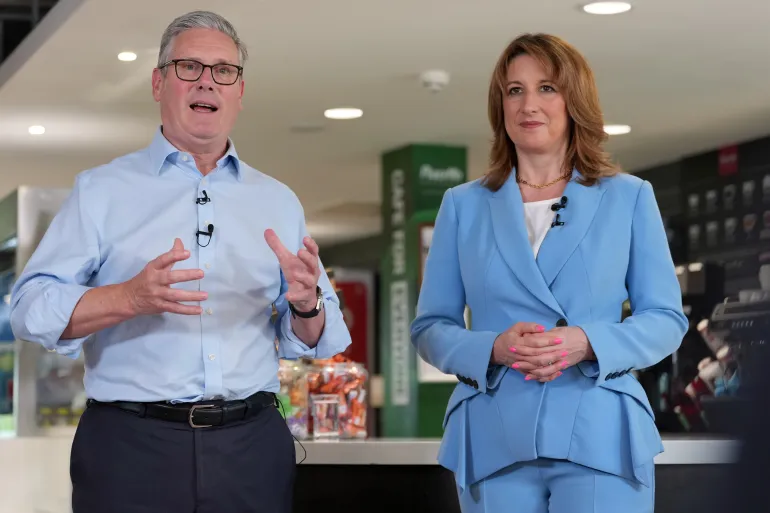
Keir Starmer framed the initiative as both an economic measure and a family-focused policy, linking it to memories of childhood holidays in England’s Lake District.
“When I think about the summer holidays, I think about the Lake District – where I went as a child and later made memories with my own family,” Starmer said.
“I know how precious that time is, yet too many parents feel they have to hold back because the cost of living is still squeezing budgets.”
Rachel Reeves said the temporary VAT cut is part of the government’s broader economic strategy.
“I know the cost of living remains the number one concern for many households. Our economic plan is the right one – supporting families and businesses while building a stronger and more secure Britain,” Reeves said.
The announcement arrives during a politically difficult stretch for Starmer’s Labour government. Earlier this month, Labour lost ground in local elections while Nigel Farage’s right-wing populist party Reform UK made significant gains.
The timing is also tied to broader economic anxieties across Britain and Europe, particularly around energy prices and household costs linked to instability surrounding the war involving Iran.
For Labour, the scheme appears aimed at addressing a growing perception problem: even as inflation pressures have eased compared with previous years, many families still feel financially stuck. Rather than offering direct cash support, the government is leaning on targeted tax relief and subsidised transport to encourage spending during the summer economy’s busiest period.
The latest news in your social feeds
Subscribe to our social media platforms to stay tuned