




AP, the Wall Street Journal, Bloomberg, and CNBC contributed to this report.
US consumer confidence edged lower in May, even as stocks kept climbing and major indexes hovered near record territory.
The Conference Board’s confidence index dipped 0.7 points to 93.1, breaking a three-month run of gains. The reading is still weak by pre-pandemic standards, when the measure often sat well above 130, and it has stayed stuck in a relatively low range for much of the post-COVID period.
The mood looked even darker in a separate University of Michigan survey released last week, which showed consumer sentiment falling to a record low this month.
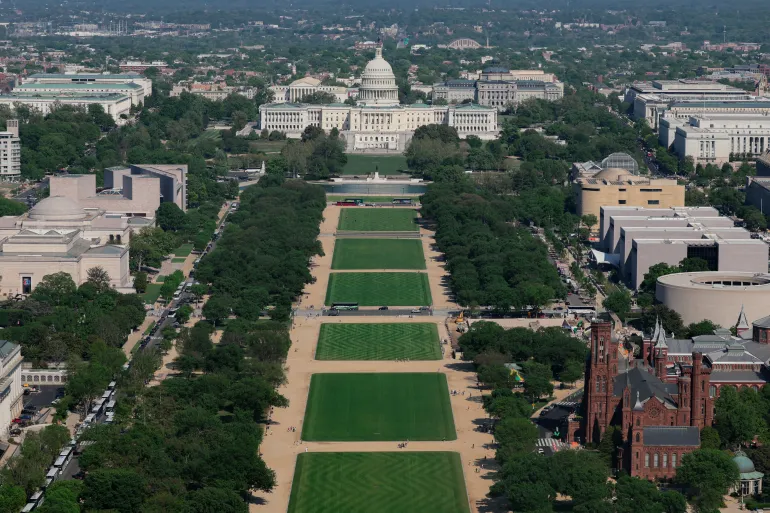
The split between Wall Street and Main Street is getting harder to miss. Stock prices are soaring, but gas and food bills are still climbing, inflation is running ahead of wages, and a lot of households are feeling squeezed. Economists say the gap may reflect a K-shaped economy: higher-income Americans are still spending and benefiting from rising asset values, while lower-income families are pulling back.
That divide showed up clearly in the Conference Board’s numbers. Confidence improved among households earning at least $100,000 a year, but slipped for most everyone else.
“Higher prices and faster inflation continue to loom over confidence readings,” said Ben Ayers, senior economist at Nationwide.
He added that many families are taking a more careful approach to spending this year.
There were a few brighter spots. Expectations for the next six months improved, which may suggest some consumers think the Iran conflict could ease by then. But views of the job market softened a bit. The share of respondents saying jobs are “plentiful” fell to 25.5%, the lowest in three years. At the same time, fewer people said jobs were “hard to get,” a sign the labor market is still stuck in a low-hire, low-fire mode.
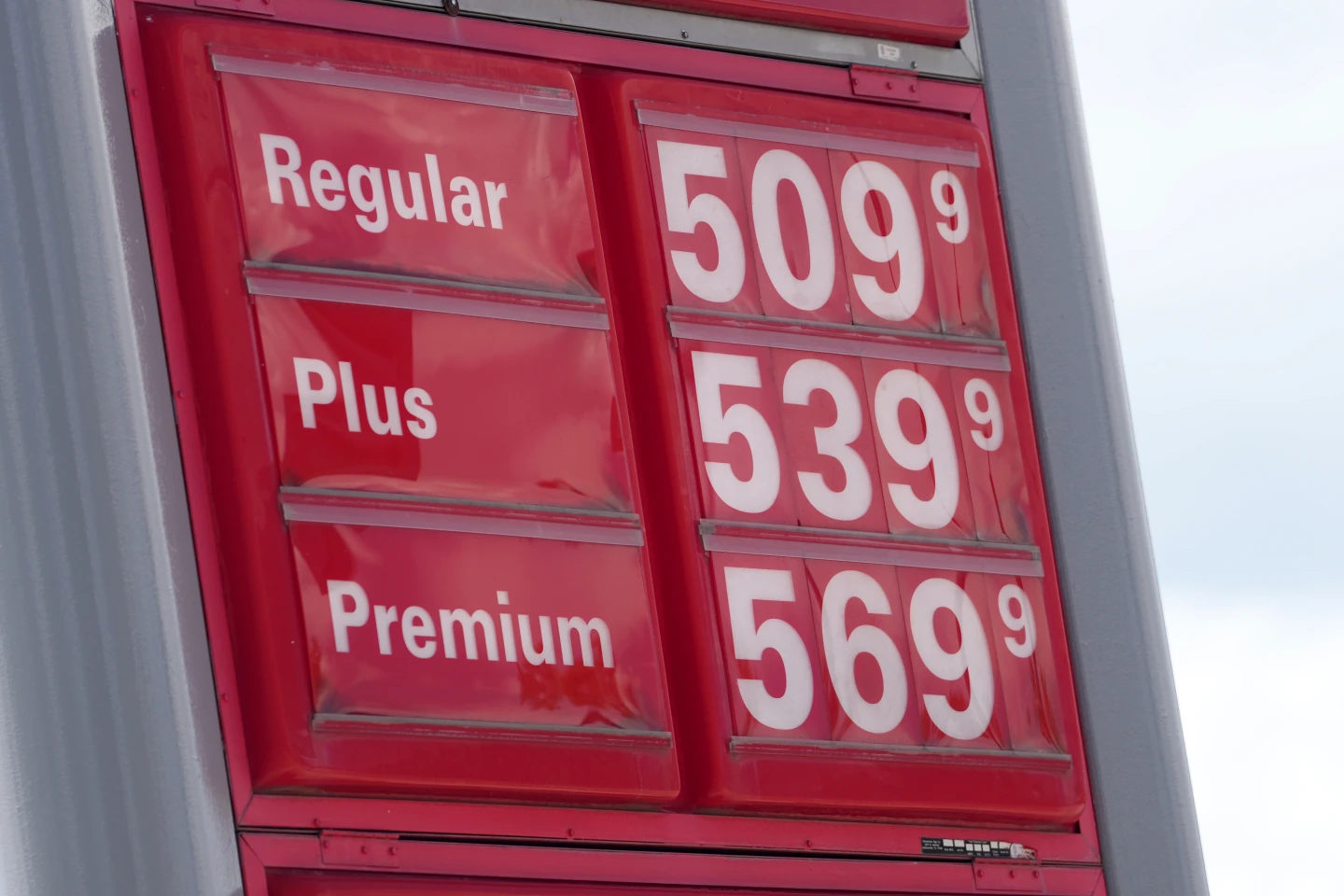
Gas prices are doing plenty of damage on their own. The national average has jumped to $4.49 a gallon from $2.98 before the war began in late February, and it has hovered at or above $4.50 for most of May.
The survey also included special questions this month, and the answers were blunt: two-thirds of Americans said they are cutting back because of higher prices. Most said they are buying less overall or delaying bigger purchases. Clothes, shoes, hobbies, toys and games are all getting trimmed from shopping lists.
Inflation is still running hot. It accelerated to 3.8% in April, the highest in three years and far above the Federal Reserve’s 2% target. Grocery prices are rising faster again, likely because shipping costs are climbing, and beef prices have also surged as drought and other pressures have reduced cattle herds.
Paychecks are not keeping up. Average hourly earnings, adjusted for inflation, fell in April from a year earlier for the first time in three years. Retail sales, after adjusting for inflation, also slipped that month.
So even with the economy still growing and unemployment still low, plenty of Americans are acting like the pressure is building – because for a lot of them, it is.


The latest news in your social feeds
Subscribe to our social media platforms to stay tuned