





NBC News, Space.com, and Bloomberg contributed to this report.
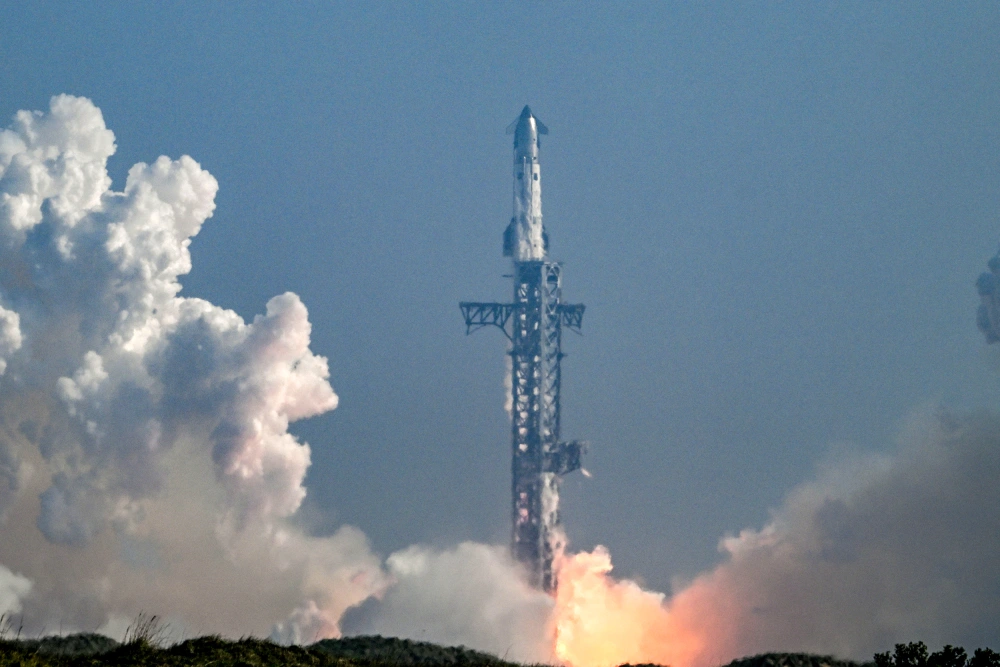
The Federal Aviation Administration has ordered SpaceX to investigate what went wrong after the company’s Super Heavy booster crashed into the Gulf of Mexico during last week’s Starship test flight, putting the massive rocket system temporarily on hold yet again.
The FAA said Wednesday that Starship Flight 12, launched on May 22, officially qualified as a “mishap” after the booster failed during its return sequence following stage separation. The agency will now oversee a SpaceX-led investigation before the vehicle can fly again.
No injuries or public property damage were reported, according to the FAA. Still, regulators made clear that SpaceX won’t get clearance for another launch until officials are satisfied the issue no longer poses a safety risk.
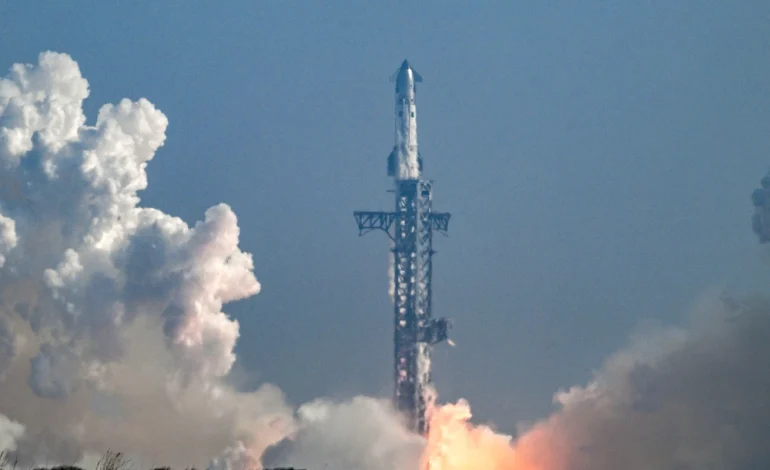
The setback came during the first flight of Starship V3, SpaceX’s upgraded 408-foot-tall rocket designed for deeper space missions and eventual lunar landings under NASA’s Artemis program.
The test mission delivered some major wins. Starship’s upper-stage vehicle successfully deployed 20 dummy Starlink satellites along with two operational satellites equipped with cameras to monitor the craft’s heat shield in orbit. The spacecraft also survived reentry and completed a controlled splashdown near Western Australia.
The booster, though, didn’t stick the landing.
SpaceX said the Super Heavy stage was unable to complete the engine burns needed for a controlled descent into the Gulf, resulting in what the company described as a “hard splashdown.” That triggered the FAA probe.
Under standard procedure, the agency said it will monitor every stage of the investigation and approve SpaceX’s final report, including whatever corrective measures the company proposes.
The FAA added that the review is aimed at figuring out exactly what failed and preventing a repeat during future flights.
How long the grounding lasts remains unclear. SpaceX has moved quickly through previous investigations, sometimes returning rockets to flight within days. Earlier this year, a Falcon 9 grounding lasted less than a week.
Even with the latest mishap, Starship remains central to Elon Musk’s long-term ambitions for deep-space travel and Mars colonization. NASA is also counting on the rocket for future Artemis moon missions, including a planned lunar landing later this decade.
For now, though, SpaceX engineers are back in troubleshooting mode.


The latest news in your social feeds
Subscribe to our social media platforms to stay tuned