

Trump Threatens Oman Over Strait of Hormuz as Iran Tensions Escalate
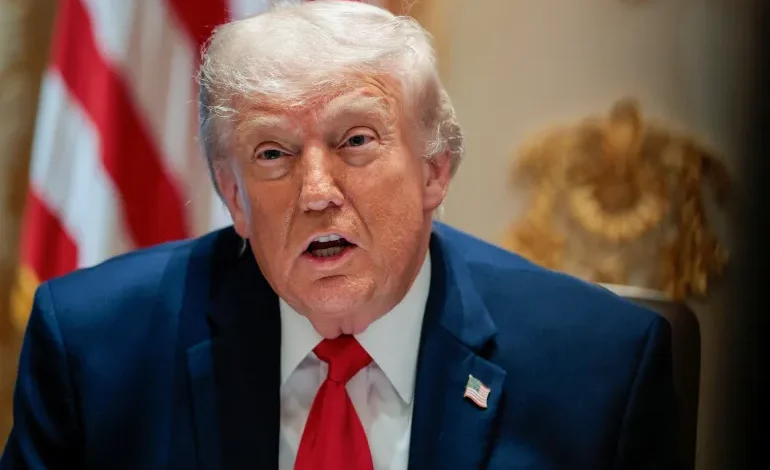

US President Donald Trump has threatened military action against Oman after being asked about reports suggesting Muscat and Tehran could jointly oversee trade through the Strait of Hormuz, one of the world’s most critical energy shipping routes.
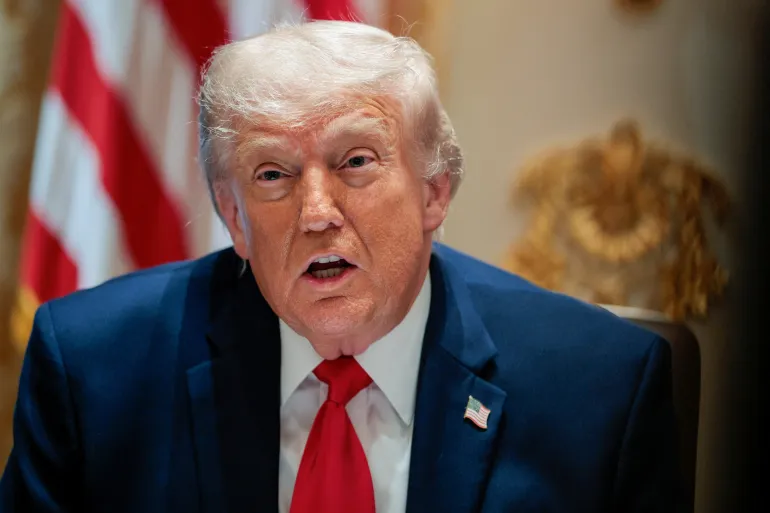
The comments came during a cabinet meeting on Wednesday, when a reporter asked Trump whether he would accept a temporary arrangement giving Iran and Oman control over the strait.
“ Would you accept a short-term deal that allows Iran and Oman to control the strait?” the reporter asked.
Trump responded bluntly:
“Nobody is going to control it. It’s international waters, and Oman will behave just like everybody else, or we will have to blow them up.”
Initially, some observers speculated Trump may have accidentally said “Oman” when he meant “Iran”. But the US State Department later reposted the comment online alongside a transcript explicitly referring to Oman, reinforcing that the threat appeared intentional.
The remarks immediately drew criticism because Oman has long been one of Washington’s closest partners in the Gulf and is widely regarded as one of the region’s most neutral diplomatic actors.
Oman has not publicly proposed joint control of the Strait of Hormuz with Iran. The country maintains deep military, trade and security ties with the United States, including a longstanding free trade agreement and multiple defence partnerships stretching back decades.
Muscat has also repeatedly acted as a mediator between Washington and Tehran, including during recent negotiations tied to the war that erupted on February 28 after the US and Israel launched strikes against Iran.
Trump’s remarks nevertheless reflect the increasingly militarized tone surrounding the Strait of Hormuz, through which more than 20 percent of global oil shipments pass.
The strategic waterway has become one of the central flashpoints in the wider US-Iran conflict. Since the outbreak of war earlier this year, Iran has periodically restricted traffic through the strait and asserted greater sovereignty over parts of the route, arguing that Western military actions threatened regional security.
Parts of the strait pass through both Iranian and Omani territorial waters.
The latest tensions intensified after Iranian state television reported on what it described as a draft memorandum of understanding between Tehran and Muscat. According to the report, the proposal would establish some form of joint management over the strait.
The Trump administration has rejected the report entirely, calling it “a complete fabrication”.
Still, Trump’s threat underscored how aggressively the White House is now framing issues tied to regional shipping and energy access.
Critics quickly condemned the comments as reckless and potentially unlawful under international norms.
Trump’s comments also came as he renewed pressure on Arab governments to normalize relations with Israel as part of any broader ceasefire arrangement involving Iran.
During the same cabinet meeting, he reiterated demands that countries including Saudi Arabia and Qatar formally establish ties with Israel, reviving a major foreign policy objective from his first term centered around the Abraham Accords.
“ I think they owe that to us, to be honest,” Trump said.
He later added:
“I’m not sure we should make the deal if they don’t sign, if you want to know the truth.”

The latest news in your social feeds
Subscribe to our social media platforms to stay tuned