
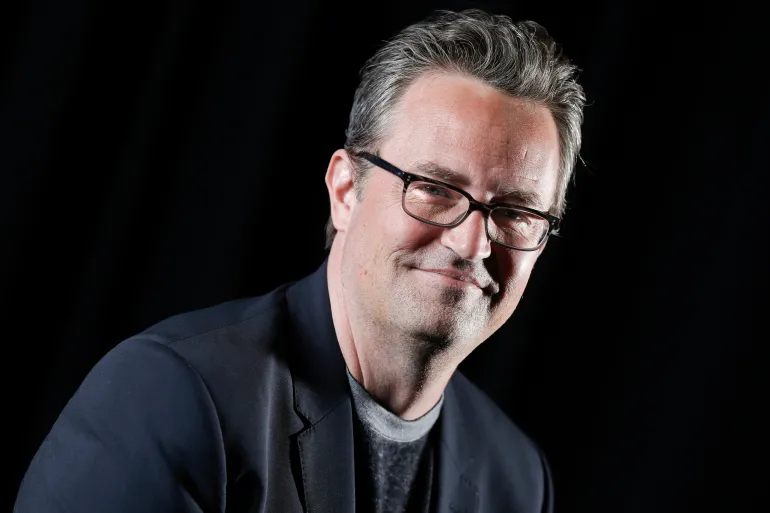



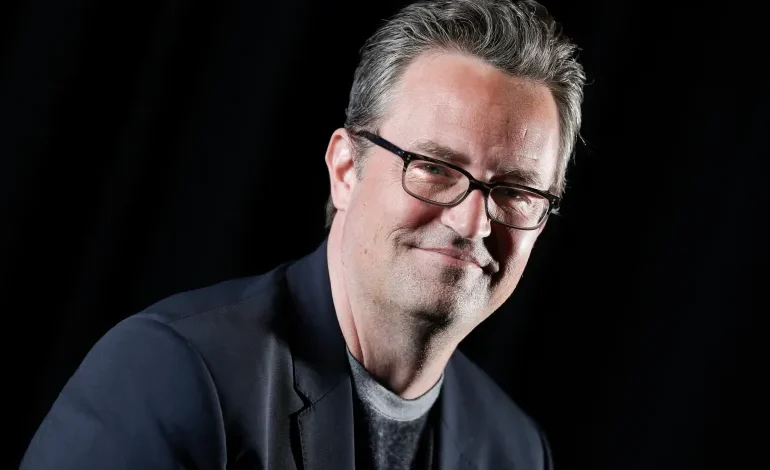

The former personal assistant to Matthew Perry has been sentenced to 41 months in prison over his role in the actor’s fatal ketamine overdose, closing one of the final chapters in the criminal cases tied to the Friends star’s death.
On Wednesday, Judge Sherilyn Garnett handed down the sentence to Kenneth Iwamasa in federal court in Los Angeles.
Iwamasa had previously pleaded guilty and cooperated with prosecutors, admitting that he injected Perry with ketamine multiple times in the days leading up to the actor’s death on October 28, 2023. According to court testimony, Iwamasa carried out the injections despite having no medical training.
Prosecutors said Perry, who had struggled publicly with addiction for years, had become increasingly dependent on ketamine, a drug sometimes used medically to treat depression.
The court heard that Iwamasa administered more than 25 ketamine injections to Perry in the days before he died, including three doses on the final day.
According to court documents, Perry’s final request to Iwamasa was to “shoot me up with a big one”.
After administering the injections, Iwamasa left Perry’s Pacific Palisades home to run errands. When he returned, he found the 54-year-old actor unresponsive in a hot tub.
An autopsy later determined that Perry died from the “acute effects of ketamine”.
“I am so sorry to all of you,” Iwamasa told the court during sentencing. “I’m just so sorry to have done illegal acts I will forever regret. I will take that to my grave.”
The prosecution argued that Iwamasa functioned as both an “enabler and supplier”, continuing to provide Perry with injections even after warning signs became increasingly obvious.
Perry’s stepfather, journalist Keith Morrison, addressed the court directly and condemned Iwamasa’s actions.
“You kept injecting him with more,” Morrison said. “You could have called somebody.”
Iwamasa’s sentencing effectively concludes the broader prosecution involving five people accused of helping Perry obtain ketamine outside proper medical supervision.
Among those convicted was Erik Fleming, a certified drug counsellor who acted as a middleman in supplying controlled substances to Perry. Fleming was sentenced earlier this month to two years in prison.
Two doctors, Mark Chavez and Salvador Plasencia, were also convicted after prosecutors accused them of exploiting Perry’s addiction for profit.
Chavez received eight months of home detention after pleading guilty to conspiracy to distribute ketamine. Plasencia was sentenced to two and a half years in federal prison after evidence showed he discussed how much money Perry might pay for access to the drug.
A British-American woman, Jasveen Sangha, described by prosecutors as supplying drugs to wealthy clients from her Los Angeles apartment, was sentenced last month to 15 years in prison.
Perry’s death triggered renewed scrutiny around ketamine access in celebrity circles and the growing use of the drug beyond tightly controlled medical settings. Once known primarily as an anesthetic and party drug, ketamine has increasingly entered mainstream mental health treatment in recent years through clinics offering therapy for depression, PTSD and chronic pain.
The Perry case, however, exposed the darker edge of that expanding market — one where medical treatment, dependency and illicit access can quickly blur together.


The latest news in your social feeds
Subscribe to our social media platforms to stay tuned