




Mexico Moves to Void Elections Over Foreign Interference

Mexico’s lower house has approved a constitutional amendment that would allow elections to be annulled if foreign interference is found to have influenced the outcome. Supporters describe the measure as a necessary defence of national sovereignty, while critics warn it could complicate future electoral disputes and weaken public confidence in election results.
The proposal passed the Chamber of Deputies on Thursday with 307 votes in favour, 128 against and one abstention. The amendment would add foreign interference to the list of constitutional grounds for invalidating an election. It still requires Senate approval before becoming law and is unlikely to affect the next federal elections scheduled for June 2027.
Under the proposed reform, foreign interference would include “illicit financing, propaganda, the systematic dissemination of disinformation, digital manipulation, and the intervention of foreign governments or agencies”. The definition also covers political, economic, diplomatic and media pressure aimed at shaping public opinion.
For the ruling Morena party, the reform is part of a broader effort to strengthen protections around Mexico’s democratic system. Ricardo Monreal, Morena’s leader in the lower house, argued that stronger constitutional safeguards are needed to prevent foreign actors from influencing election outcomes.
After the vote, Monreal wrote:
“After more than 30 straight hours of work, we in Mexico’s lower house approved reforms to strengthen our electoral system, judicial elections and Mexico’s democratic sovereignty.”
Not everyone is convinced. Opposition lawmakers accused the government of exaggerating the threat of foreign interference in order to justify the constitutional change.
At the same time, Monreal requested the withdrawal of secondary legislation that would have established the procedures for identifying foreign interference and applying the new annulment rules. Morena said there was insufficient time to implement those measures before legal deadlines connected to the 2027 election cycle. Under Mexican law, electoral reforms must be enacted at least 90 days before the formal start of an election process in order to apply.
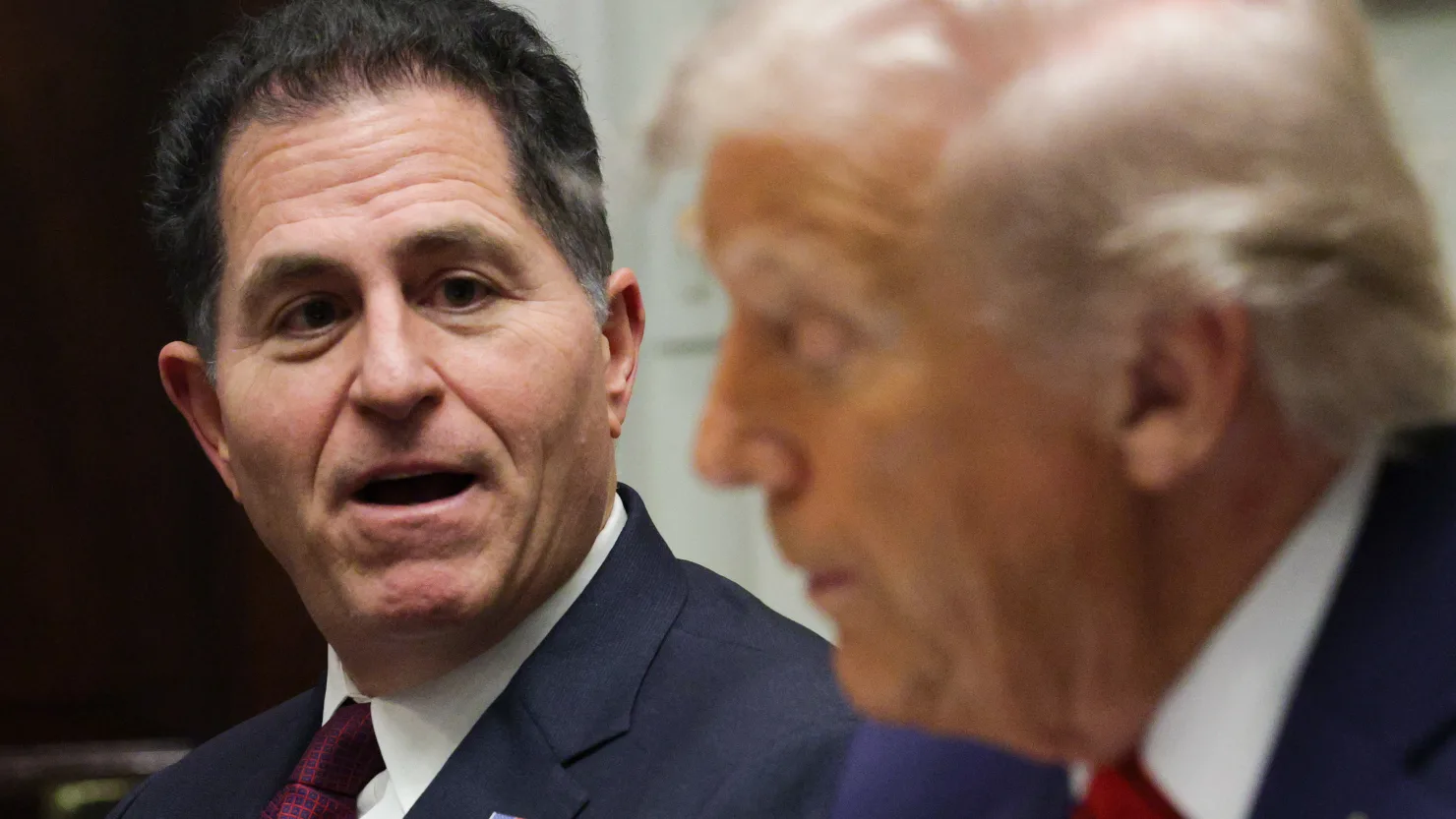
The debate comes amid growing concern within Morena about what party leaders see as increasing foreign involvement in Mexican affairs. In recent weeks, members of the governing party have pointed to criticism from foreign politicians and comments made by US President Donald Trump as examples of external pressure that could shape domestic political discussions.
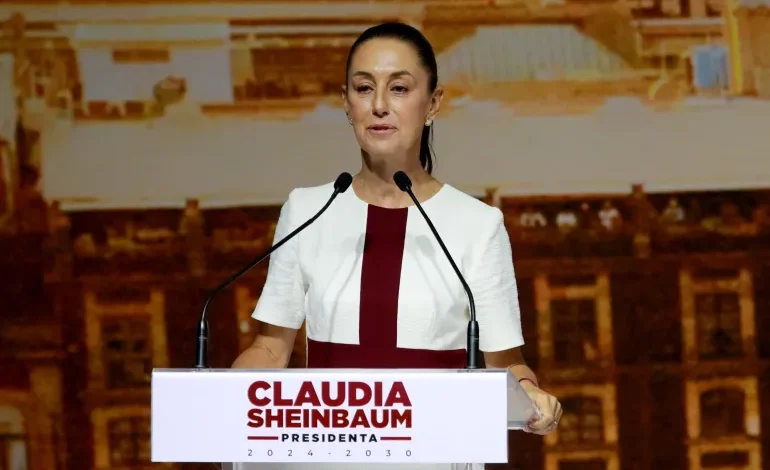
President Claudia Sheinbaum echoed those concerns after the vote.
“There could be a risk of foreign interference in Mexico’s elections,” Sheinbaum said during her daily news conference.
She also pointed to past cases involving foreign funding for local candidates and organisations operating in Mexico.
Opposition parties, however, pushed back against the argument that criticism of the reform amounts to support for foreign influence.
“We do not accept that kind of argument,” said Jose Elias Lixa, coordinator of the opposition National Action Party (PAN).
“It would be like saying that those who opposed annulling elections because of organised crime interference are against fighting organised crime.”
Questions over implementation remain at the centre of the debate. Ruben Moreira Valdez of the Institutional Revolutionary Party (PRI) said his party opposed foreign intervention but argued that the amendment’s broad language could create legal uncertainty.
“We reject any foreign intervention,” Valdez said. “The problem is that we are in a debate that confuses intervention with meddling, which are different things.”
He also raised concerns about how the rules might be applied in practice once lawmakers begin drafting the legislation needed to enforce them.
“What will happen if someone buys advertising abroad, if an international news story is disseminated in Mexico, or if the argument of meddling is used to restrict content and opinions?” he said.



The latest news in your social feeds
Subscribe to our social media platforms to stay tuned