




CBS News, the New York Times, the Wall Street Journal, Politico, CNBC contributed to this report.
The first inflation report under new Federal Reserve chief Kevin Warsh did not bring much comfort. Consumer prices were still running hot in April, and the Fed’s preferred inflation gauge landed at its highest annual rate in almost three years.
The Commerce Department said Thursday that the personal consumption expenditures price index rose 3.8% from a year earlier, up from 3.5% in March and 2.8% in February. That is the hottest reading since May 2023. Economists had expected 3.9%, so the number was slightly better than feared – but only slightly.
Core PCE, which strips out food and energy, rose 3.3% on the year, right in line with forecasts. On a monthly basis, headline PCE climbed 0.4% and core prices rose 0.2%.
For Warsh, it is an awkward first test. Inflation is being pushed higher by the Iran war’s impact on energy prices, and that is making the Fed’s job even messier. Earlier this year, the central bank had penciled in one rate cut for 2026. That now looks a lot less certain.
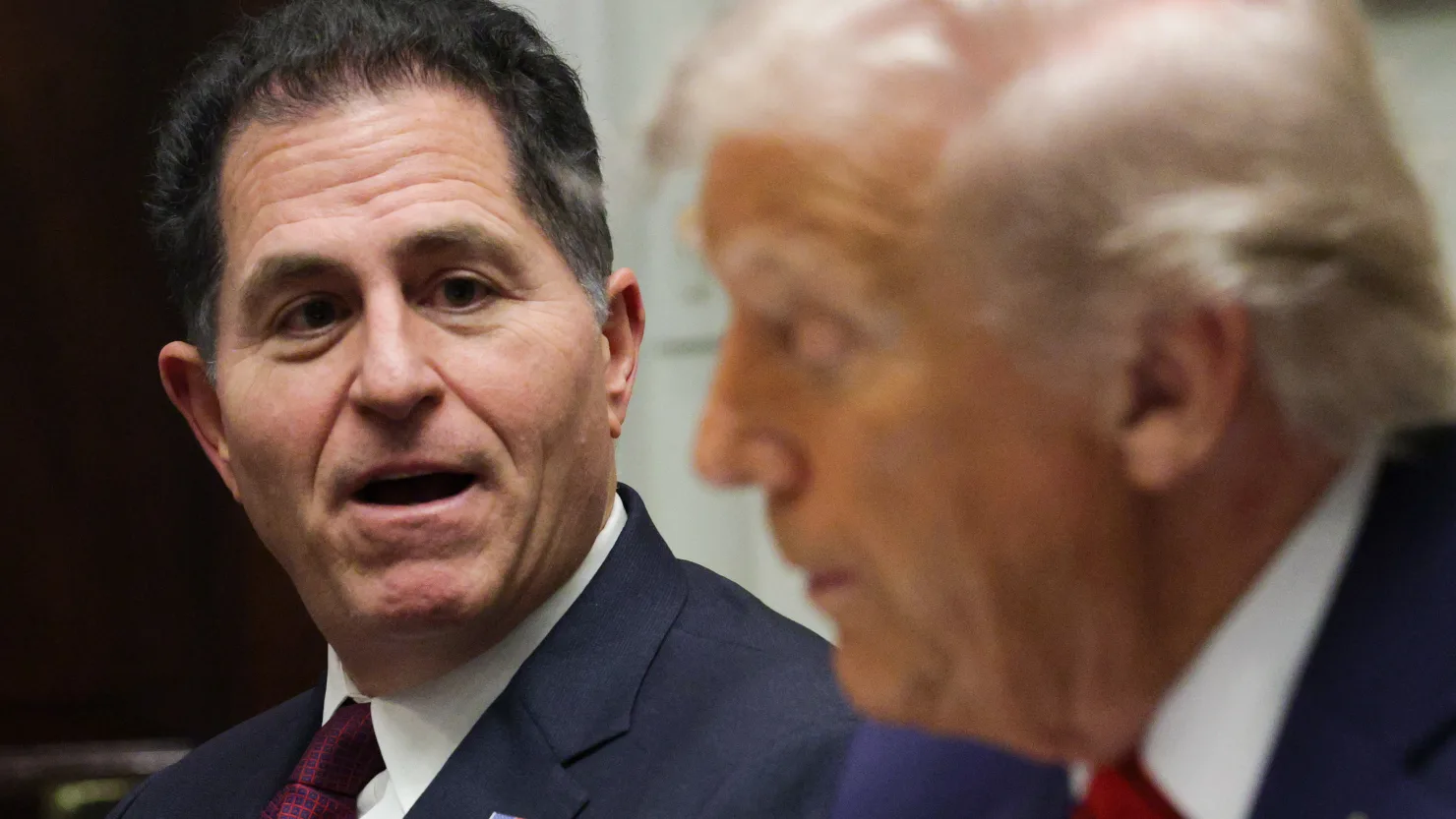
The politics are adding another layer of pressure. President Trump wants borrowing costs lower, arguing that cheaper rates would give consumers and businesses a lift. But with inflation still elevated, the Fed is likely to stay cautious.
Households are feeling the squeeze. Income growth slowed to 2.5% in April, which came in below inflation and means paychecks are not keeping up with prices. Spending rose 0.5% from March, but once you adjust for inflation, real spending was up just 0.1%. People are still buying, but the buying power behind those purchases is thinning out.
Savings are taking a hit too. The personal savings rate dropped to 2.6% from 3.6% in March, a sign that some families are dipping into reserves just to keep up.
“Inflation is at a three-year high, and personal savings have cratered to one of the lowest levels in the past 20 years,” Heather Long of Navy Federal Credit Union said. “Many Americans are spending more than the income they have coming in.”
The details inside the report were not pretty. Energy prices jumped the most, but housing, utilities, recreation services and food services all moved higher as well. Goods prices climbed 0.7% on the month, helped by a 5.5% spike in gasoline. Services rose 0.3%.
There was one small bright spot: the annual core number matched expectations, and the monthly reading was softer than economists had feared. That suggests some of the pressure from the prior month may be easing. Still, not many people are celebrating.
GDP growth was also revised down to an annualized 1.6% in the first quarter from an initial 2% estimate, another sign the economy is losing some momentum. And consumer confidence has been sliding as inflation bites harder.
Markets are now pricing in a longer spell of tight policy, with some traders even seeing a chance of a rate hike later this year. For now, the message from the numbers is blunt: inflation is still the problem, and Warsh is walking into it at full speed.


The latest news in your social feeds
Subscribe to our social media platforms to stay tuned