





Lawmakers Push to Break Up Health Insurers’ Pharmacy Businesses
- Published December 12, 2024

A bipartisan group of US lawmakers has introduced new legislation aiming to force major healthcare companies to divest their pharmacy operations.
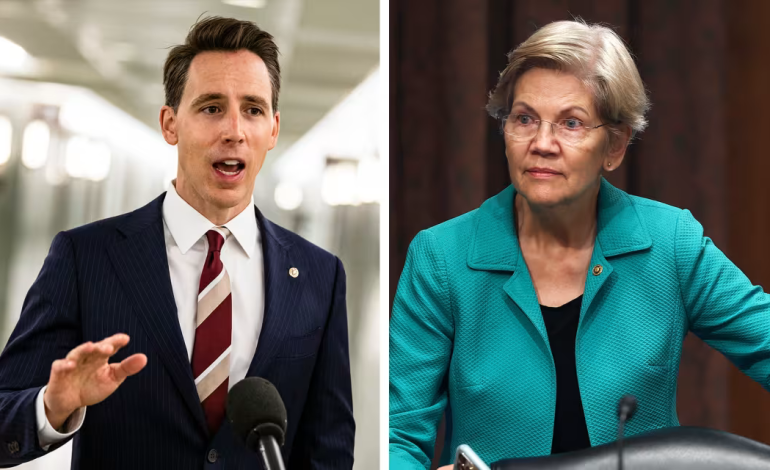
The bills, spearheaded by Senators Elizabeth Warren (D-Mass.) and Josh Hawley (R-Mo.), would require companies that own both health insurers and pharmacy-benefit managers (PBMs) to separate their pharmacy businesses within three years.
PBMs, which act as intermediaries between insurers and drug manufacturers, have faced increasing scrutiny for their role in driving up prescription drug costs. These companies negotiate drug prices, determine formularies (the list of drugs covered by insurance), and manage pharmacy networks. However, critics argue that the industry has led to higher drug prices, reduced access to affordable medicines, and driven independent pharmacies out of business.
The new legislation targets the vertical integration of large PBMs, such as CVS Health’s Caremark, Cigna’s Express Scripts, and UnitedHealth Group’s OptumRx. These PBMs are owned by some of the country’s largest health insurers, which also own retail and mail-order pharmacies. Critics contend that this ownership structure creates a conflict of interest, allowing PBMs to steer patients toward their own pharmacies, often at higher prices, while extracting fees that inflate costs for both employers and patients.
Senator Warren emphasized that the bill would eliminate these conflicts of interest, stating that PBMs have manipulated the market to enrich themselves, harming both employers and patients. Hawley echoed this concern, arguing that the legislation would prevent insurers and PBMs from expanding their control over American healthcare and charging families more for less.
A companion bill in the House, known as the Patients Before Monopolies Act, was also introduced by Representatives Diana Harshbarger (R-Tenn.) and Jake Auchincloss (D-Mass.). This proposed legislation builds on prior attempts to increase transparency within the PBM industry and curb practices that critics say inflate drug prices, such as steering patients toward affiliated pharmacies that may charge more.
If passed, this legislation would mark a significant intervention into the PBM industry, potentially dismantling a major source of revenue for companies like CVS, Cigna, and UnitedHealth Group. The companies defend their practices, arguing that their PBM operations help keep drug costs down through rebates and discounts negotiated with drug manufacturers. However, a Federal Trade Commission (FTC) investigation found evidence that PBMs sometimes restrict access to cheaper drugs and overcharge for certain treatments, particularly cancer medications.
The legislation is unlikely to pass in the current Congress, which is near the end of its session, but its introduction signals that lawmakers are preparing for a broader push to reform the industry next year. President-elect Trump has also expressed support for cracking down on PBM practices, adding to the bipartisan momentum behind the issue.
With input from the Wall Street Journal, Investor’s Business Daily, and the Hill.


The latest news in your social feeds
Subscribe to our social media platforms to stay tuned