



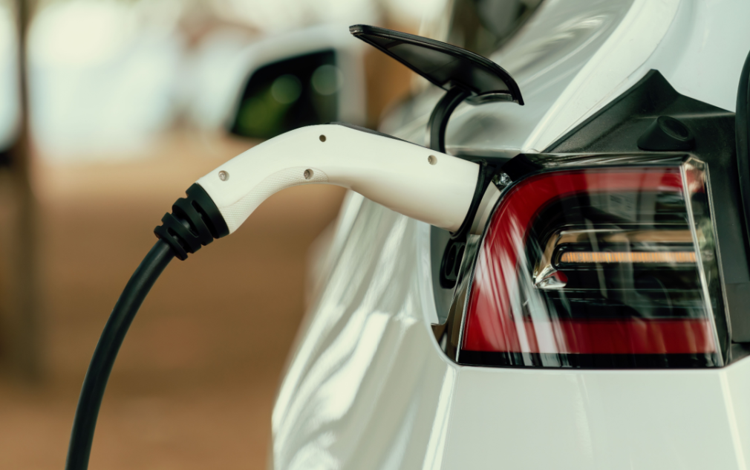

The rise of electric vehicle (EV) charging infrastructure in the United States has been remarkable, Wyoming News Now reports.
Over the past five years, the number of public EV charging stations has tripled, thanks to increased public and private investment. While Wyoming’s EV landscape is still developing, it reflects a broader national push toward sustainable transportation.
Back in 2007, there were only 139 public EV charging stations nationwide. Fast forward to 2023, and the US now boasts over 64,000 public stations — more than double the number in 2020 and three times the total in 2018. This surge in infrastructure coincides with federal initiatives, such as the 2021 Bipartisan Infrastructure Law (BIL) and the 2022 Inflation Reduction Act (IRA). These laws allocated billions of dollars to improve clean transportation and support EV adoption.
Tesla, a dominant player in the EV market, has played a significant role in this growth, with its Superchargers accounting for nearly 60% of the 22,000 fast chargers in the US The rise of EV infrastructure has been especially noticeable in areas where EV ownership is already high, like the California Bay Area and the Seattle metro.
This transformation aims to ease one of the biggest concerns prospective EV buyers have:
“What happens if I run out of power and there’s no charger nearby?”
The growing availability of charging stations is making EV ownership more practical and appealing. According to Pew Research, 64% of Americans now live within two miles of a public EV charging station, making it easier for urban and suburban residents to consider purchasing an EV.
However, rural areas face a different reality. While 60% of urban residents live within a mile of a charger, only 17% of rural Americans do. Federal initiatives like IRA-backed tax credits have specifically targeted these underserved areas to close the infrastructure gap.
While Wyoming is not a leader in EV adoption, the state is making strides. As of November 2024, there were 127 public charging stations across Wyoming. This growth reflects federal support, with $21.7 million in clean transportation grants allocated to the state over the past three years — equating to roughly $37 per resident.
Currently, only 0.3% of vehicles on Wyoming roads are electric or plug-in hybrids, but the state is not being left behind. It is part of a broader federal effort to build charging stations along highways and in rural areas, ensuring that EVs remain viable options for drivers in all parts of the country.
One of the largest federal investments in EV charging has gone to Alaska, which will receive $31.5 million to expand its EV infrastructure. While Wyoming’s investment is smaller, it is still a crucial part of a national strategy to increase charging accessibility in states with vast rural areas.
The future of EV charging may be at a crossroads. While the Biden administration has prioritized clean energy policies and EV expansion, the incoming Trump administration has signaled a possible shift in direction. President-elect Trump has expressed interest in repealing the $7,500 EV tax credit, a move that could affect demand for EVs and slow infrastructure expansion.
Opponents of the tax credit repeal, including US car manufacturers and auto worker organizations, argue that such a change could harm EV adoption rates. Others, like Tesla CEO Elon Musk, have supported the repeal, as it could reduce competition from newer EV companies.
Additionally, there is uncertainty about whether funds for federal EV infrastructure projects will remain in place. Critics argue that rolling back Biden-era EV policies would increase costs for EV owners and slow the rate of public charging station development. Proponents of the shift say it would reduce government spending and encourage more private investment.



The latest news in your social feeds
Subscribe to our social media platforms to stay tuned