



NATO is preparing to establish concrete targets for increased production of tanks, aircraft, and other military systems among its member states, potentially necessitating a significant increase in the alliance’s defense spending goal, Bloomberg reports.
According to officials familiar with internal discussions, the new targets could raise the current 2% of GDP guideline to as high as 3%.
These officials, who requested anonymity due to the ongoing nature of the discussions, revealed that the plan would impose higher capability targets on member governments, including for ammunition, as early as next year. Priorities include bolstering air defenses, offensive weapon systems, and nuclear deterrent capabilities.
While the aim is to secure agreement on these targets among NATO foreign and defense ministers in time for the leaders’ summit in The Hague this June, officials acknowledge that the deadline may prove challenging. The topic is scheduled for discussion at the defense ministers’ meeting in February.
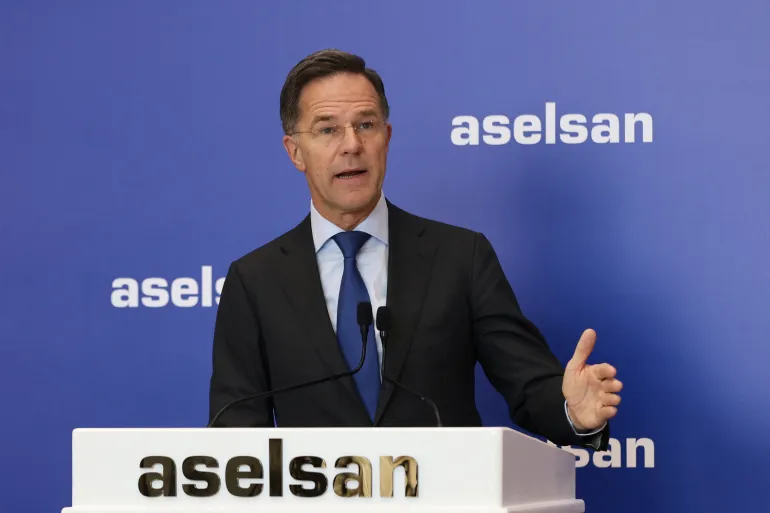
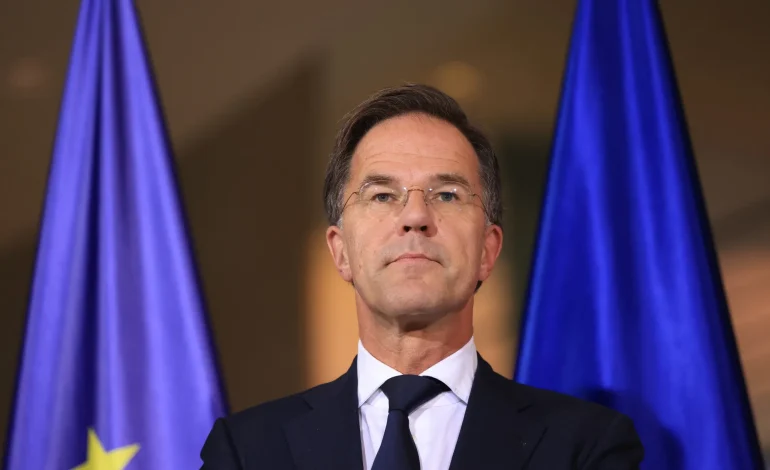
The push for increased spending is driven by the ongoing Ukraine war, along with pressure from the incoming Trump administration, which urged NATO members to shoulder a greater share of defense responsibilities. The current 2% GDP defense spending target, according to NATO Secretary General Jens Stoltenberg, is insufficient to maintain long-term deterrence levels. Stoltenberg’s comments echoed earlier statements by former Dutch Prime Minister Mark Rutte, who now serves as NATO Secretary General, emphasizing the need to match the growing threat posed by Russia’s ongoing conflict with the West.
Rutte has also highlighted the necessity for increased investment in Europe’s military industrial base, arguing that reliance on the US is unsustainable. This concern is amplified by the perceived isolationist stance of the previous US administration.
The European Union is also actively pursuing increased defense spending. EU defense commissioner Andrius Kubilius recently proposed a joint borrowing mechanism for military expenditures, potentially securing €500 billion ($524 billion) for security initiatives over the next decade.
Olga Oliker, director for Europe and Central Asia at the International Crisis Group, noted the recent surge in defense spending across NATO members, but emphasized that the effectiveness of this spending hinges on the choices made by individual member states. Significant disparities in defense spending exist among NATO allies; Poland, for example, allocated 4.7% of its GDP to defense in 2023, while Germany, despite being a major military aid provider to Kyiv forces, committed 2.1%.

The latest news in your social feeds
Subscribe to our social media platforms to stay tuned