



Deadly Explosion Rocks Bolivian Mining Camp Amid Clash Between Gold-Mining Collectives
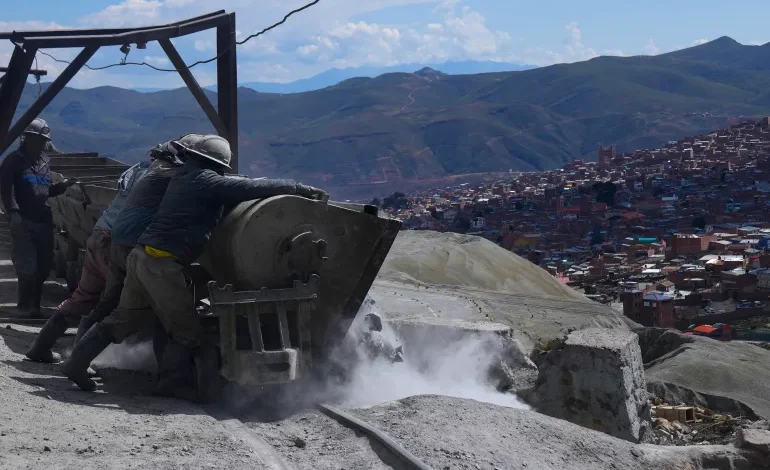

A violent clash between rival gold-mining collectives in Bolivia resulted in a deadly explosion on Thursday, leaving six people dead and causing widespread damage, Al Jazeera reports.
The blast occurred at the Yani mining camp, located approximately 90 miles northwest of La Paz, the country’s administrative capital. Preliminary reports indicate that the explosion was the result of a brawl between the Yani mining collective and another group known as Senor de Mayo, fueled by a dispute over access to a gold mining area. The fight reportedly involved the use of dynamite, leading to the catastrophic explosion.
The force of the blast damaged nearby houses and caused a power outage in the town of Sorata.
The incident highlights the volatile nature of the gold-mining sector in Bolivia, where collectives have emerged as a significant force, challenging both state-run and private enterprises. These collectives developed as an alternative to traditional mining structures, criticized for offering unstable employment and low wages to workers, particularly during periods of economic instability.
The rise of mining collectives gained momentum following several economic crises, most notably in 1985, when a sharp decline in international mineral prices led to the temporary closure of the state-owned mining company, Corporación Minera de Bolivia (COMIBOL), leaving tens of thousands of miners jobless.
As Bolivia’s mines were privatized, the collectives provided an opportunity for miners to self-organize, extracting tin, silver, gold, and zinc for sale to private businesses. Today, collectives represent the majority of mining workers in Bolivia, surpassing both COMIBOL and the private sector in numbers. This gives them considerable political influence, despite their relatively limited mineral extraction capabilities compared to larger companies.
Estimates suggest there are approximately 1,600 gold-mining collectives operating in Bolivia. However, critics of the cooperative system raise concerns about the lack of safety regulations for workers, who are often exposed to hazardous conditions during the extraction process.
Furthermore, while cooperatives are legal, some of their mining activities are not, leading to environmental destruction and pollution. The informal nature of the work also contributes to deadly clashes over access to mining sites and markets for selling metals and securing investments.
Conflicts sometimes involve COMIBOL workers and security forces. The state-run company has expanded its influence under policies implemented by former socialist President Evo Morales, who governed from 2006 to 2019. In 2012, tensions between COMIBOL and mining collectives resulted in road blockades and a fatal dynamite attack in La Paz.
According to sources, the underlying tensions that led to Thursday’s dynamite attack between the collectives had been simmering for years.



The latest news in your social feeds
Subscribe to our social media platforms to stay tuned