






Tariffs on imported vehicles and auto parts have officially taken effect, bringing significant changes to the automotive industry.
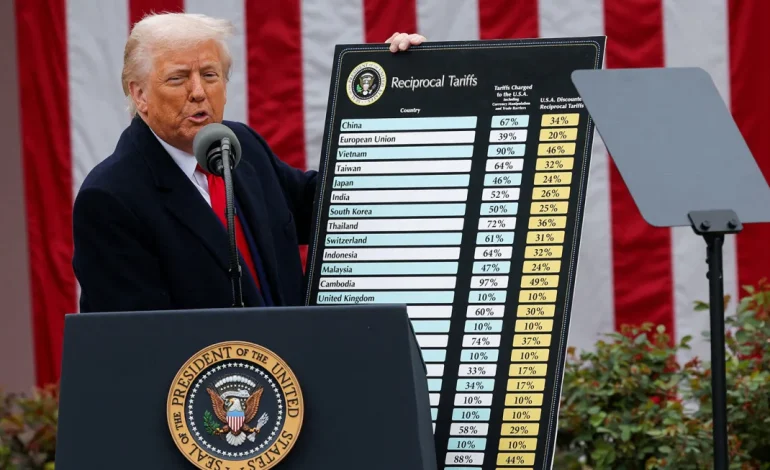
Announced by the Trump administration, the 25% duty applies to all cars assembled outside the United States.
As a result, consumers are expected to face higher prices for both new and used vehicles. Additionally, starting May 3, the tariff will extend to imported auto parts, further driving up the cost of vehicles made in the US and affecting the price of repairs.
The primary goal of the tariffs, according to President Trump, is to stimulate investment in US auto manufacturing, creating jobs and encouraging production within the country. However, analysts predict that the impact on car buyers will be substantial, with new car prices rising by thousands of dollars.
While there is a partial exemption for cars made in Mexico and Canada that meet the terms of free trade agreements, the tariffs will still affect a wide range of vehicles. For example, vehicles like the Chevrolet Equinox electric vehicle, which is assembled in Mexico but includes US-made parts, will only be subject to tariffs on the portion of the car made abroad. However, cars manufactured in other countries, such as the Toyota Prius from Japan or Porsche sports cars from Germany, will experience the highest tariffs.
The impact of the new tariffs will extend beyond just new car buyers. As car parts like tires, brake pads, and oil filters become more expensive, even those who choose not to purchase a new vehicle will see higher prices for repairs and maintenance.
As car prices rise, some consumers are turning to used vehicles, leading to an increase in demand for these cars. This shift in demand could drive up used car prices as well. In the past, when supply shortages arose, car prices surged sharply, and many buyers found themselves paying more than the listed price. Similar price hikes are expected to occur as a result of the new tariffs.
The tariffs may also affect the job market within the automotive industry. While the administration asserts that the long-term goal is to create additional jobs by bringing more production to the US, there are concerns that the tariffs could result in short-term job losses, particularly in auto plants in Mexico and Canada. If these plants reduce production due to the new duties, US suppliers who provide parts for these factories may be forced to scale back operations, potentially leading to job cuts in the US.
Furthermore, the shift in production to the US is not a simple or quick process. Automakers have noted that it could take years to build or repurpose factories to meet domestic production needs. The high costs involved in such changes, as well as uncertainties about future trade policies, make it difficult for companies to invest in long-term solutions.
The New York Times, CNN, and Bloomberg contributed to this report.



The latest news in your social feeds
Subscribe to our social media platforms to stay tuned