



As the US economy grapples with renewed uncertainty, many American professionals are facing a growing sense of stagnation in their careers, Business Insider reports.
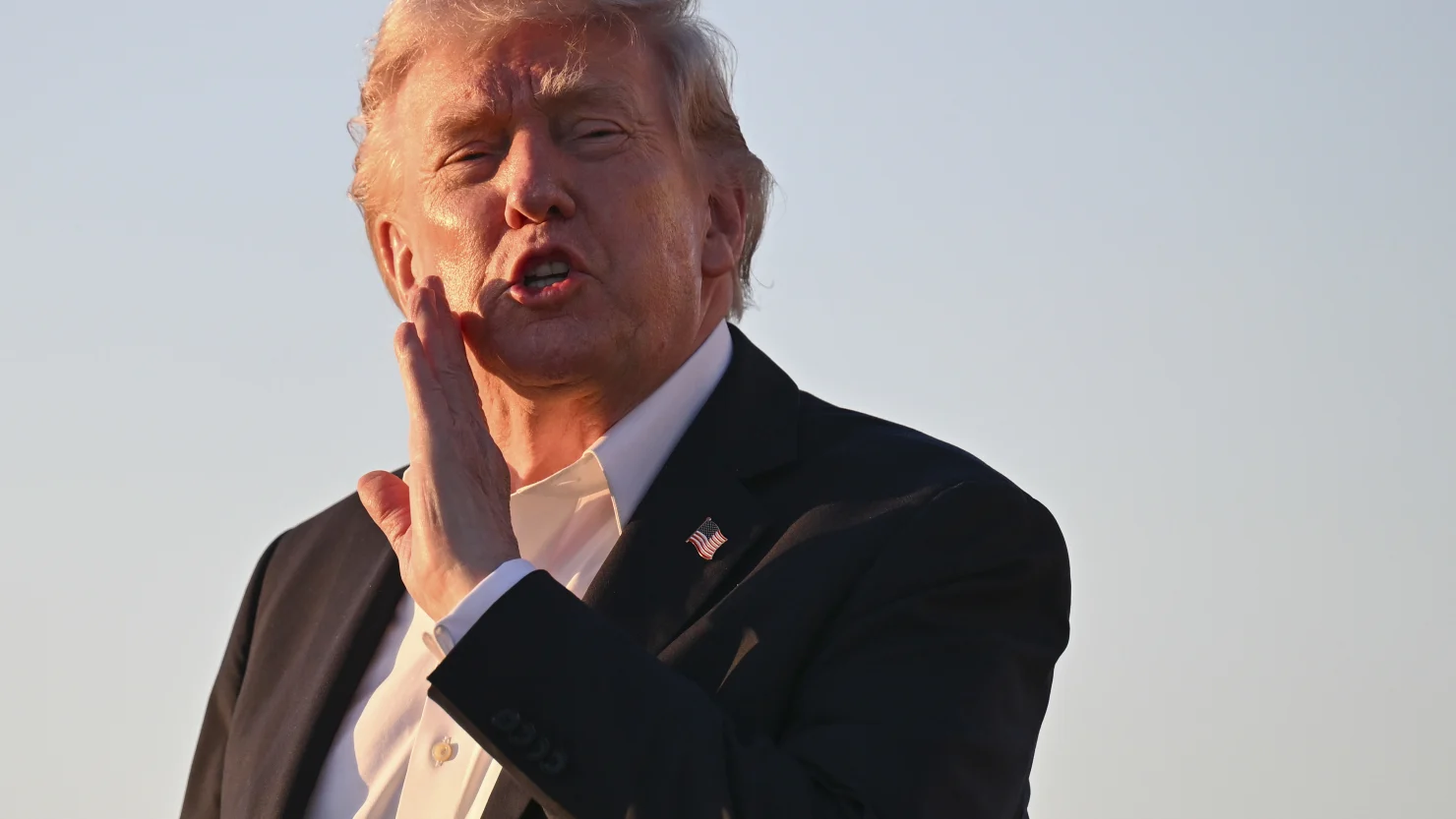
With hiring slowing across white-collar sectors and policy shifts like President Donald Trump’s new tariffs adding fresh instability, the result is a workforce increasingly stuck in place — and growing more frustrated by the day.
For many, like Kathleen, a sales manager at a software company, the problem began long before the latest round of economic anxiety. In 2023, she was asked to lay off her entire team — a traumatic event that left her job intact but her morale in pieces. Eighteen months later, she’s still looking for a way out, but the jobs available either don’t pay enough or have dried up altogether.
“I’m just over it,” she says, reflecting a sentiment that appears to be spreading.
This rising discontent isn’t just personal — it’s systemic. According to Gallup, employee engagement in the US dropped to a 10-year low in 2023, and economists fear it could worsen. Trump’s return to the political stage and the volatility surrounding his tariffs are being blamed for further slowing hiring plans and injecting more uncertainty into corporate decision-making.
“People are increasingly grumpy because they can’t change jobs,” says Guy Berger, director of economic research at the Burning Glass Institute. “Even in a relatively optimistic case, this could go on for a while.”
The economic backdrop has been labeled the Big Stay — a term reflecting the significant slowdown in job switching that emerged after the pandemic’s early waves of layoffs. While that trend showed signs of reversing late last year, policy changes and external risks have thrown cold water on those hopes. Now, many are worried that the Big Stay could evolve into what some are calling the Endless Stay — a prolonged period of workplace inertia.
For companies, the consequences could be severe. Research consistently shows that disengaged workers lead to lower productivity, higher customer dissatisfaction, and reduced profits. Gallup estimates that this dynamic already costs global businesses trillions of dollars each year — a number likely to rise if morale continues to deteriorate.
The broader economy also suffers when workers are stuck in jobs they’ve outgrown. Reduced labor mobility means fewer opportunities for people to find roles that better match their skills and experience, suppressing wage growth and slowing overall economic productivity.
For individuals like Dean, a customer support manager in the tech sector, the situation is particularly frustrating. After recognizing that his current job offered no further growth, he started looking elsewhere — only to find himself caught in a hiring freeze that may last well into the next presidential term.
“Do I sit still, or do I go back on the hunt?” he asks. “This is the new world we’re in.”
Others, like Laurie, an auditor at an energy firm, have taken a more defensive approach. She’s saved what she calls a “fuck you fund” — a financial cushion large enough to support her through a potential jobless stretch. But even that feels risky now.
“Realistically, if you leave now, you could very possibly be unemployed for more than a year,” she says.
The emotional toll is unmistakable. Workers who feel stuck often become more irritable, less collaborative, and less willing to go the extra mile.
“My patience is wearing thin,” Laurie admits.
Kathleen, once known for her can-do attitude, now struggles to stay engaged.
“I used to be happy to put in the extra mile,” she says. “And I’m just not willing to do that anymore.”
While some companies are attempting to spur change by trimming their workforces and selectively hiring for high-demand roles — particularly in areas like AI — these efforts often heighten the sense of instability. For employees like Kathleen, watching peers get laid off only reinforces the fear of leaving without a safety net.
Despite the frustration, many remain hopeful that better days lie ahead. Kathleen, who once thrived on being a high performer, believes she’ll rediscover her drive once she’s in the right role. But for now, she — and millions of others — remain caught in a cycle of waiting.
“I want to put the work in,” she says. “I want to do all the stuff. It’s been a long time since I’ve felt that kind of fire. I’m starting to wonder if it will ever get better.”

The latest news in your social feeds
Subscribe to our social media platforms to stay tuned