




Police in southwest England say more than 600 artefacts linked to the history of the British Empire and Commonwealth have been stolen from the Bristol Museum’s collection, calling it a major cultural loss for the city.
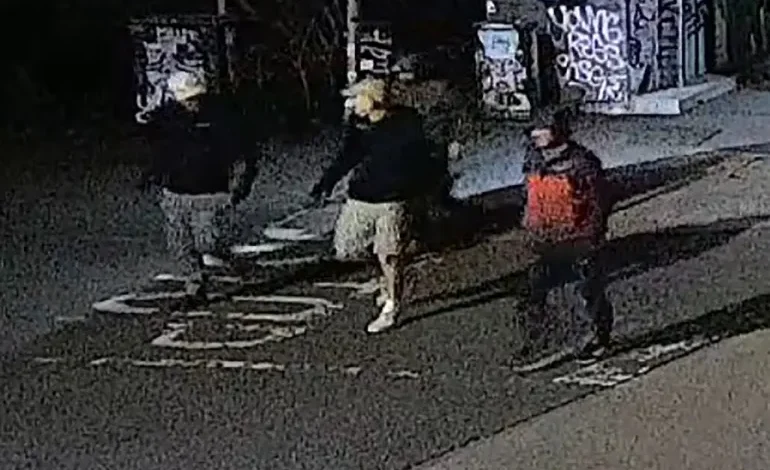
Avon and Somerset Police said the items were taken from a museum storage facility in the early hours of September 25. On Thursday, officers released images of four men they want to speak to as part of a renewed public appeal.
The stolen objects span medals, badges, pins, jewellery, carved ivory, silverware, bronze figures and geological samples, according to Bristol City Council. Many were donations and had been kept in storage rather than on public display.
Philip Walker, the council’s head of culture and creative industries, said the collection reflects more than 200 years of Britain’s global reach.
“The collection is of cultural significance to many countries and provides an invaluable record and insight into the lives of those involved in and affected by the British Empire,” Walker said.
Police have not explained why the appeal is being issued more than two months after the theft, but investigators say the scale and sensitivity of the loss make public assistance critical.
Detective Constable Dan Burgan, who is leading the investigation, said the theft has far-reaching implications beyond Bristol.
“This is a significant loss for the city,” Burgan said. “These items, many of which were donations, form part of a collection that provides insight into a multilayered part of British history, and we are hoping that members of the public can help us to bring those responsible to justice.”
Bristol’s relationship with empire is especially charged. The city played a central role in the transatlantic slave trade, with ships sailing from its port forcibly transporting at least half a million Africans into slavery before Britain abolished the trade in 1807. Wealth generated from that system helped shape much of the city’s historic architecture.
The Bristol Museum’s wider holdings include material from Pacific islands, historic clothing from African countries, as well as photographs, films, personal papers and audio recordings documenting life under empire. The museum describes the collection as offering insight into “a challenging and controversial period of history”.
In 2020, Bristol became a global symbol of reckoning with that past when protesters toppled the statue of slave trader Edward Colston and threw it into the River Avon. The statue was later recovered and placed on display in a museum as part of an exhibit examining Britain’s imperial legacy.


The latest news in your social feeds
Subscribe to our social media platforms to stay tuned