


Press freedom advocates and major US news organisations are raising alarms after federal agents raided the home of a reporter for The Washington Post, seizing her electronic devices as part of an investigation into the handling of classified material.
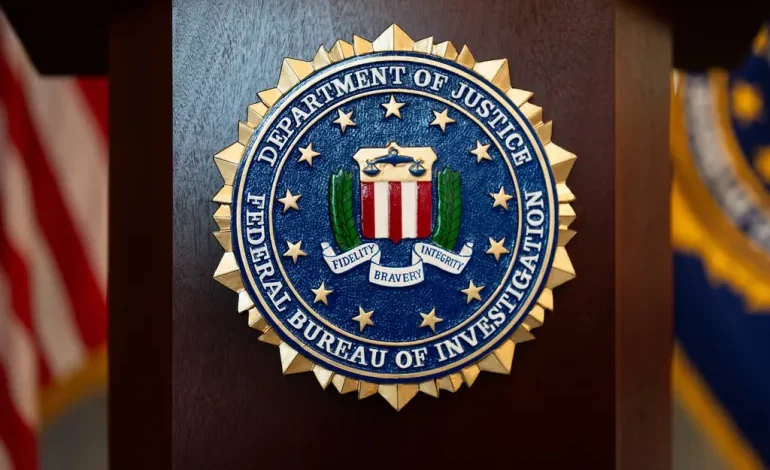
The raid, carried out on Wednesday, targeted the home of journalist Hannah Natanson, who has led coverage of the Trump administration’s push to dramatically shrink the federal workforce. Agents from the Federal Bureau of Investigation confiscated her work and personal laptops, her phone, and other electronics, including a Garmin watch.
According to the Post, the search warrant was linked to an investigation into a government contractor accused of illegally retaining classified information. The paper stressed that neither Natanson nor the Post is a target of the probe.
“According to the government warrant, the raid was in connection with an investigation into a government contractor accused of illegally retaining classified government materials. We are told Hannah, and the Post, are not a target,” said executive editor Matt Murray.
“Nonetheless, this extraordinary, aggressive action is deeply concerning and raises profound questions and concern around the constitutional protections for our work.”
Free press organisations echoed those concerns, warning that the move fits into a broader pattern of pressure on journalists reporting on information the government would prefer to keep out of public view. While the US Constitution provides strong protections for the press, law enforcement searches of journalists’ homes remain rare precisely because of the chilling effect they can have on reporting.
President Donald Trump has repeatedly attacked news outlets he views as hostile, threatening lawsuits, investigations, and regulatory pressure. Advocates argue that the raid risks deterring journalists from pursuing whistleblower tips or holding power to account.
The case centres on a government contractor named Aurelio Perez-Lugones, an IT specialist accused of taking screenshots of intelligence reports and printing classified documents while working for a contractor in Maryland. Prosecutors say investigators later found classified materials in a lunchbox during searches of his car and basement.
The Trump administration alleges that Perez-Lugones contacted Natanson to leak the information and that the search of her home was conducted at the request of the Department of Defense.
“The Department of Justice and FBI executed a search warrant at the home of a Washington Post journalist who was obtaining and reporting classified and illegally leaked information from a Pentagon contractor,” said Attorney General Pam Bondi in a social media post. She added that the alleged leaker had been arrested.
“The Trump Administration will not tolerate illegal leaks of classified information that, when reported, pose a grave risk to our Nation’s national security and the brave men and women who are serving our country,” Bondi said.
White House Press Secretary Karoline Leavitt reinforced the message, writing online that Trump has “zero tolerance” for leaks and would “aggressively crack down” on them.
For press freedom advocates, the central issue is not whether the government can pursue alleged leakers, but whether dragging journalists into criminal investigations crosses a line. Seizing reporters’ devices, they warn, risks exposing sources, undermining confidentiality, and weakening one of the core safeguards of democratic accountability.



The latest news in your social feeds
Subscribe to our social media platforms to stay tuned