



Five candidates, one budget fight: How Wyoming’s would-be governors view the cuts
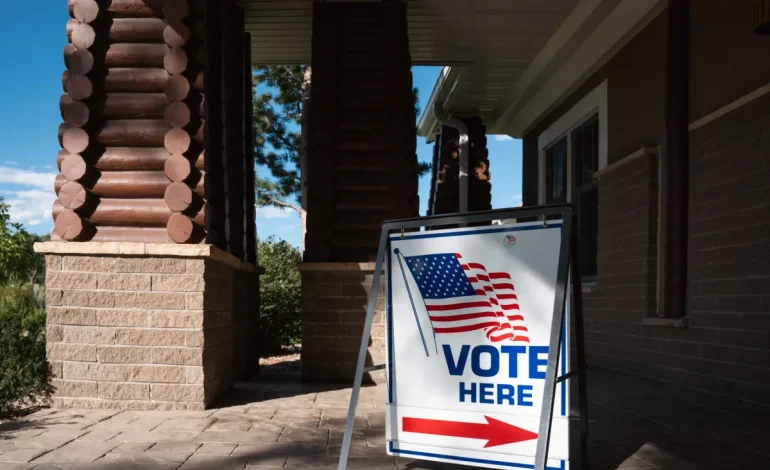

Wyoming’s 2026 governor’s race is already heating up — and not just because five candidates are in the mix. A bruising budget fight at the Legislature has given voters an early preview of where the contenders stand on the role, size and priorities of state government.
The field so far includes three Republicans, one Democrat and one unaffiliated write-in candidate. As lawmakers wrapped up work on a draft budget earlier this month, sharp differences emerged over deep cuts pushed through by the Legislature’s main budgeting committee.
Those proposed cuts would gut or eliminate the Wyoming Business Council, end state funding for Wyoming Public Media, slash tens of millions from the Department of Health, cut $40 million from the University of Wyoming’s block grant and reject another $21 million the university requested. After public blowback, lawmakers reversed a $58 million cut to tribal health services, later calling it an accounting move.
Notably, the downsizing isn’t being driven by a budget shortfall. The state has extra cash — including $250 million lawmakers argued over how to save. Instead, the push comes largely from the Wyoming Freedom Caucus, a newly empowered bloc of Republicans aiming to dramatically reshape state government. They’ve warned voters about coming cuts for months, but the budget process showed what that really looks like.
Here’s how each gubernatorial candidate is responding.
Eric Barlow: “Not like this”
Republican Sen. Eric Barlow of Gillette jumped into the race last August, bringing a resume that includes time as a Marine, a large-animal veterinarian, a yak rancher and former House speaker.
On dismantling the Wyoming Business Council, Barlow was blunt: he’s not on board — at least not the way lawmakers are doing it.
“Unilateral dismantling… is short-sighted,” he said, warning that it forces other agencies to absorb responsibilities they didn’t plan or budget for. In typical Wyoming fashion, he added: “You don’t gut-shoot a deer and then expect it to jump in the back of your truck.”
Barlow says he’s heard the same concerns everywhere he’s traveled: keeping young people in the state, creating jobs, building infrastructure and fixing broken processes. Big decisions, he argues, need public buy-in.
He’s especially critical of the cuts to the University of Wyoming. Starving education, he said, isn’t fiscal discipline — it’s giving up on the future.
“Stable funding is essential,” Barlow said, whether Wyoming is training teachers, nurses or engineers. He’s open to reviewing UW’s spending, but only with stakeholders at the table and eyes wide open about the tradeoffs.
Megan Degenfelder: Cuts as a wake-up call
State Superintendent of Public Instruction Megan Degenfelder entered the race in January, backed by an endorsement from President Donald Trump. A Casper native with oil and gas experience, she says the budget cuts serve a purpose — even if she doesn’t agree with all of them.
“I support that the committee is trying to get people’s attention,” she said, calling the debate a necessary conversation about what government funds.
That said, Degenfelder doesn’t think a $40 million cut to UW is the right move — at least not right now. She says she’s been talking with lawmakers and UW President Ed Seidel to find a better balance.
A UW graduate herself, Degenfelder said accountability matters just as much as investment. “That doesn’t mean we allow runaway spending,” she said.
On the Wyoming Business Council, she was more skeptical. Degenfelder argued the state’s tax structure makes it nearly impossible for the agency to succeed as designed.
Economic development still has a place in Wyoming, she said, but diversification is hard — and the state needs to rethink how it goes about it.
Gabriel Green: Rhetoric vs. reality
Sheridan resident Gabriel Green is the only Democrat in the race so far — though he says he’s more of a “DINO,” or Democrat in name only. He’d prefer to run as an independent but says the system makes that nearly impossible.
Green says lawmakers talk big about saving money and expanding freedom, but the actual cuts don’t live up to the rhetoric.
“The reality seems very different from what they’re claiming,” he said, describing the proposals as rushed and politically motivated rather than well thought out.
Green has libertarian leanings and is open to reforming economic development spending, particularly when government starts picking winners and losers. He’s wary of the push to dismantle the Wyoming Business Council, suggesting it’s less about policy and more about political infighting within the GOP.
The WBC has problems, he said — even corruption — but scrapping it entirely goes too far.
On UW, Green took a mixed stance. He criticized the university for commanding a huge share of the budget with little oversight and said community colleges and tech schools deserve more support. Still, he emphasized he’s not anti-education — just anti-monopoly.
Joseph Kibler: Let the free market decide
Joseph Kibler began his campaign as a Republican but is now running as an unaffiliated write-in candidate. A former firefighter turned business owner and podcaster, Kibler says he fully supports defunding the Wyoming Business Council.
Taxpayers, he argues, shouldn’t subsidize economic development efforts that distort the free market. If the WBC has value, he said, it should be privately funded and accountable to results — or shut down.
Kibler also backs the UW cuts, using a colorful analogy: a billionaire asking neighbors to pay his bills.
With a billion-dollar endowment and multiple funding streams, UW doesn’t need guaranteed taxpayer money, he said. In fact, Kibler blames guaranteed funding for skyrocketing tuition and bloated budgets across higher education.
Affordability, he argued, comes from restoring responsibility — not writing bigger checks.
Brent Bien: Cuts are overdue
Republican Brent Bien responded after deadline, but his views landed firmly on the pro-cut side.
Bien said government shouldn’t be involved in private-sector business at all. Instead, Wyoming should cut taxes, deregulate, ban ESG scoring and stay out of the way.
He argued the Wyoming Business Council has failed to deliver results despite receiving more than $250 million since 2019. Slashing its budget from $94 million to $2 million, he said, is long overdue.
On UW, Bien noted that the $40 million cut amounts to less than 6% of the university’s total revenue. With enrollment down and spending up, he said the university needs a reset — and a return to its land-grant mission.
Across the board, Bien called the cuts fiscally necessary, especially with federal COVID funds and green energy subsidies drying up.
With the campaign still young, the budget fight is already shaping the race. One thing is clear: the debate over what Wyoming government should — and shouldn’t — pay for is just getting started.
The latest news in your social feeds
Subscribe to our social media platforms to stay tuned