




CNBC and Bloomberg contributed to this report.
US Treasury yields popped Tuesday as the conflict between United States and Iran sent oil prices higher for a second day, flipping the usual safe-haven script.
The benchmark 10-year Treasury yield climbed just over 5 basis points to 4.107%, the 30-year yield rose more than 4 bps to 4.741%, and the 2-year note jumped roughly 6 bps to 3.551%. (Reminder: one basis point = 0.01%, and yields move opposite bond prices.)
Higher yields mean borrowing costs creep up across the economy — mortgages, corporate loans, you name it — and that’s the last thing markets want when energy prices are surging and inflation worries are already on traders’ minds.
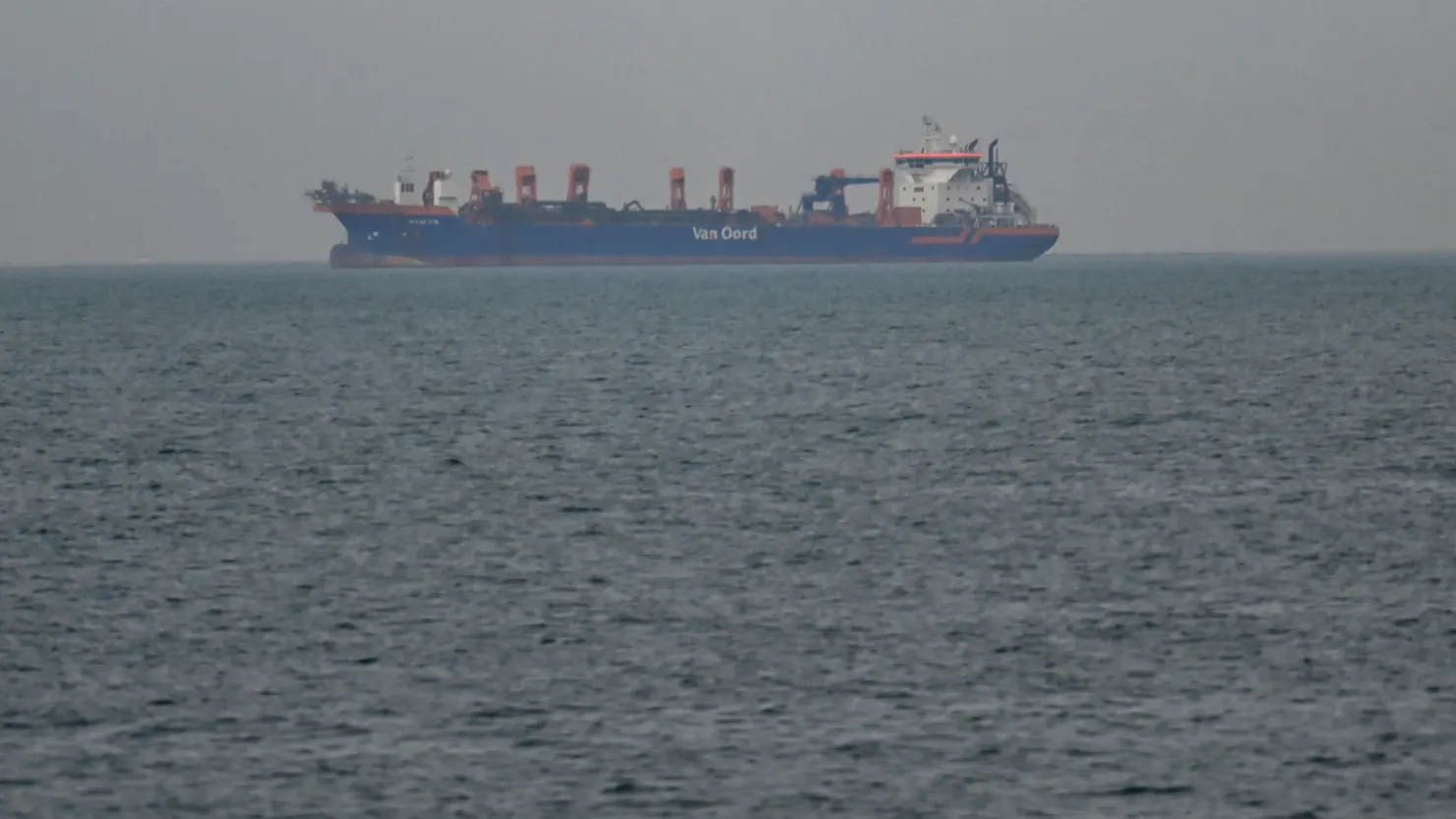
Oil is the trigger. US West Texas Intermediate topped about $76 a barrel on Tuesday, while Brent went past $83. Those swings came after reports that Iran had moved to close the Strait of Hormuz and warned vessels not to transit — a worst-case scenario for energy traders because the strait is a choke point for a big chunk of seaborne oil and gas. Fears of supply disruption pushed traders to price in higher inflation ahead, and that pushed bond yields up rather than down.
In a typical geopolitical shock investors rush into Treasuries, driving yields down. This time, they’re selling bonds — because the concern isn’t only safety, it’s price pressure. Higher oil can feed through to consumer prices quickly, making the job of the Federal Reserve harder. If energy keeps cooking, markets see a lower chance the Fed can cut interest rates anytime soon.
On the ground, the conflict kept widening. The American Embassy in Riyadh was attacked on Tuesday, President Donald Trump warned the fighting could last far longer than the four weeks he’d earlier mentioned, and Israel said it was striking Iran and Lebanon after strikes and counterstrikes involving Iran-backed groups like Hezbollah. That’s the backdrop that keeps oil traders on edge and bond traders itchy.
A different kind of data made the anxieties worse. The ISM manufacturing report showed the headline PMI holding at an expansionary 52.4, but the prices paid sub-index rocketed to 70.5 — the highest since mid-2022 — signaling factories are seeing big input-cost pressure even before the latest jump in oil. Combine that with the surge at the pump and the math looks ugly for disinflation hopes.
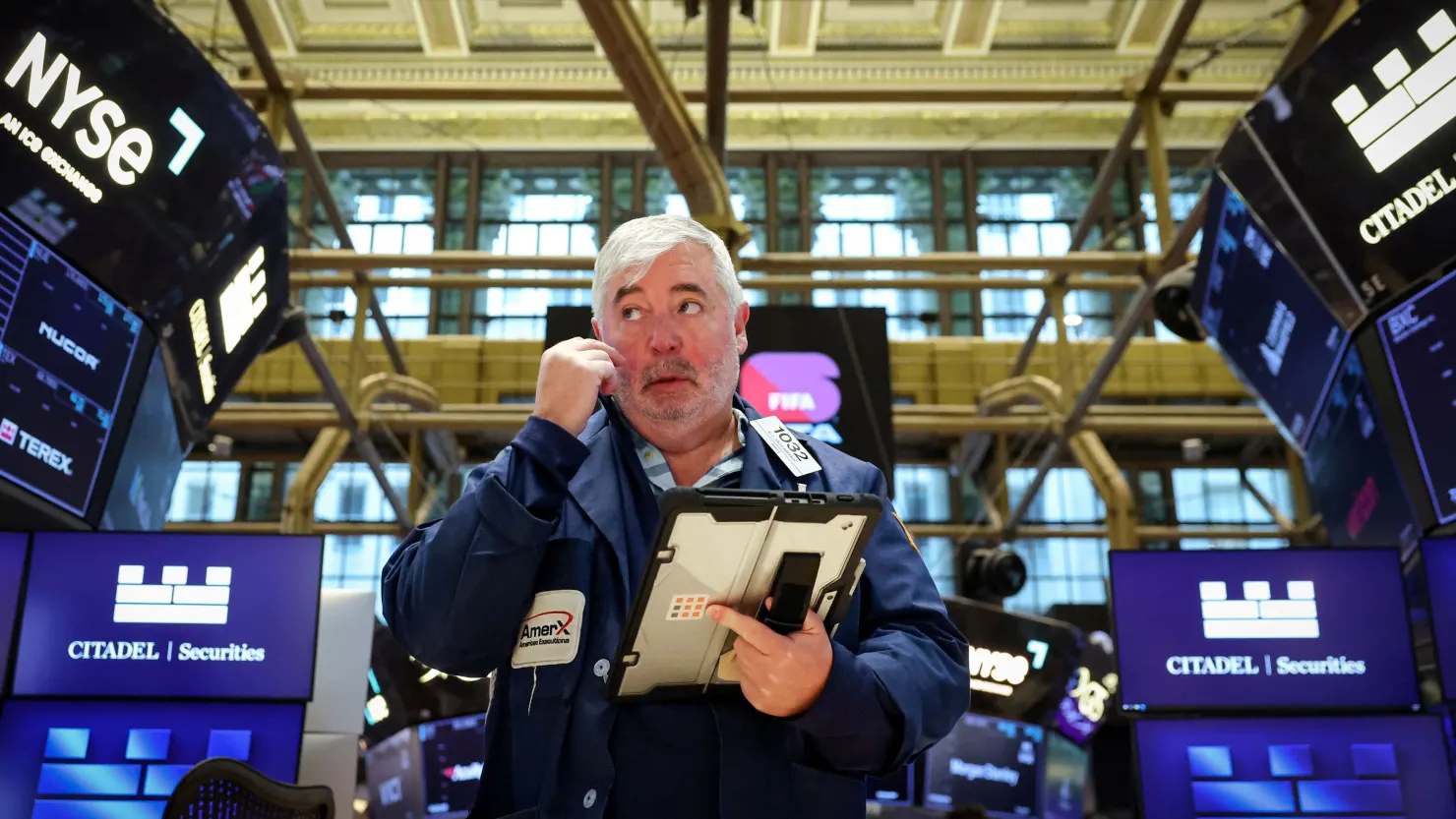
Markets reacted the usual way elsewhere: stocks moved into risk-off mode, safe-haven assets like gold got bids, and traders shifted positions across currencies and credit. For now, the bond market’s message is blunt: a supply shock that threatens inflation is worse for long-run policy than a short geopolitical scare. That’s why yields are higher — not lower — even as uncertainty spikes.
Geopolitics just made the Fed’s job messier. If oil keeps rising and the conflict drags on, expect more volatility in bonds and a longer wait for any rate cuts.



The latest news in your social feeds
Subscribe to our social media platforms to stay tuned