





If the Strait of Hormuz Stays Shut, Asia Gets Hurt Worst

Reuters, CNBC, the Independent, the New York Times, the Financial Times, the Washington Post, and the Wall Street Journal contributed to this report.
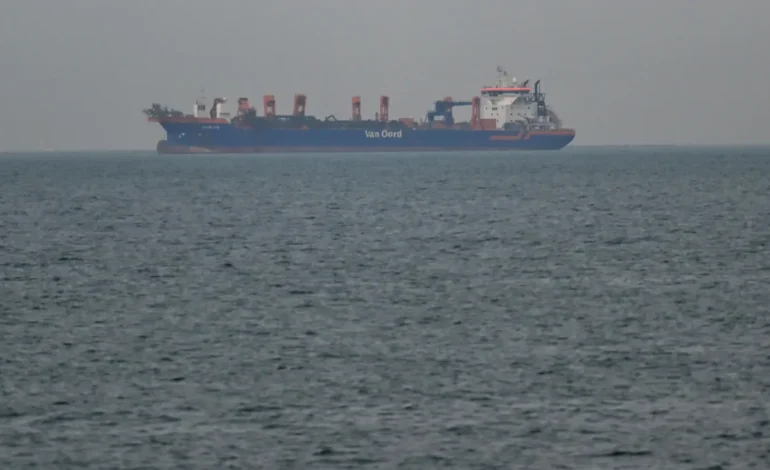
The Strait of Hormuz has effectively been declared closed, and if that lockdown sticks, the shock will ripple through global energy markets — with Asian countries taking the biggest hit. Strait of Hormuz is a tiny stretch of water that carries massive energy flows; roughly 13 million barrels a day moved through it in 2025, about 31% of all seaborne crude — so closing it is not a small thing.
Why this matters now: drone and missile strikes have disrupted key Gulf facilities, and Qatar — one of the world’s top LNG exporters — has halted output at major plants. Around 20% of global LNG exports and a huge slice of oil traffic run through the strait, so supply snarls send prices and panic higher almost instantly.
Quick takeaway: Europe will feel it, but Asia will feel it hardest. Here’s the country-by-country hit list — short, blunt and a little scary.
South Asia — immediate pain
- Pakistan and Bangladesh would be in real trouble fast: they rely on Gulf LNG for the lion’s share of gas (Pakistan ~99%, Bangladesh ~72%) and have little storage, so outages would quickly force power cuts or painful demand cuts.
- India carries the largest exposure in the region: more than half its LNG links to the Gulf and around 60% of oil imports come from the Middle East, so a prolonged chokepoint would hit both energy bills and its current account hard.
China — big buyer, bigger buffers
China imports a ton of Gulf oil and gas (roughly 30% of its LNG from Qatar/UAE and a big share of oil via Hormuz). It has larger stockpiles than many Asian peers, so it can ride out a short shock — but if the closure drags on, Beijing will be forced into a bidding war for Atlantic cargoes, driving up regional prices.
Japan and South Korea — vulnerable to price shock
Japan and South Korea get roughly three-quarters and seven-tenths of their oil from the Middle East, respectively. Their LNG exposure is smaller than South Asia’s, but inventories are limited — a multi-week disruption would still create nasty price and economic effects.
Southeast Asia — cost shock over supply shock
Countries like Thailand and the Philippines face sharp inflation pain even if outright shortages are avoidable. Thailand, with a heavy net oil import burden, would see its trade and inflation numbers take an immediate hit. Nomura and Kpler flag these economies as some of the most exposed to rising energy bills.
Global spillovers — what could happen next
Traders and exporters in the US are scrambling to redirect cargoes, but spare US LNG capacity can only plug a fraction of lost Gulf flows — and it takes time to reroute and refill. If Hormuz stays closed for weeks, analysts warn oil could push above $100 a barrel and gas prices could retest the 2022 pain. Rystad and others say this could be the biggest shock since Russia cut supplies to Europe.
Short-term winners & losers
- Winners: exporters with flexible cargoes and trading desks that can resell LNG on the spot market.
- Losers: import-dependent utilities, airlines, and manufacturers exposed to higher fuel and freight costs — and consumers at the pump.
Markets are volatile right now, but the real damage depends on duration. A quick reopening of the strait and a restart of Qatar’s plants would calm things. If the closure lasts, Asia faces the toughest strain — and the world will feel the fallout through higher energy bills, bumpier inflation and noisier central-bank decisions.


The latest news in your social feeds
Subscribe to our social media platforms to stay tuned