




The Wall Street Journal, Axios, CNBC, Quartz, AP, Bloomberg, and Business Insider contributed to this report.
Michael Fiddelke, Brian Cornell, Walmart, Amazon, Costco, Roundel — and the story centers on Minneapolis.
Michael Fiddelke walked into the CEO office a month after the quarter closed and got his first line on the scoreboard: a messy holiday quarter, but a clearer plan and one promising data point — February finally ticked positive. That’s the line he’s selling to investors as the guy who has to stop the slide and get growth back on the board.
Here’s the meat. The company reported a 2.5% drop in comparable sales for the fourth quarter, and net sales fell 1.5% to $30.5 billion. Full-year revenue slid 1.7% to about $104.8 billion. Ouch. But profits told a different tale: adjusted earnings beat expectations, and executives leaned into margin wins — advertising, marketplace and memberships are growing fast. Non-merchandise revenue jumped more than 25%, and same-day delivery climbed over 30%, a key battleground versus rivals.
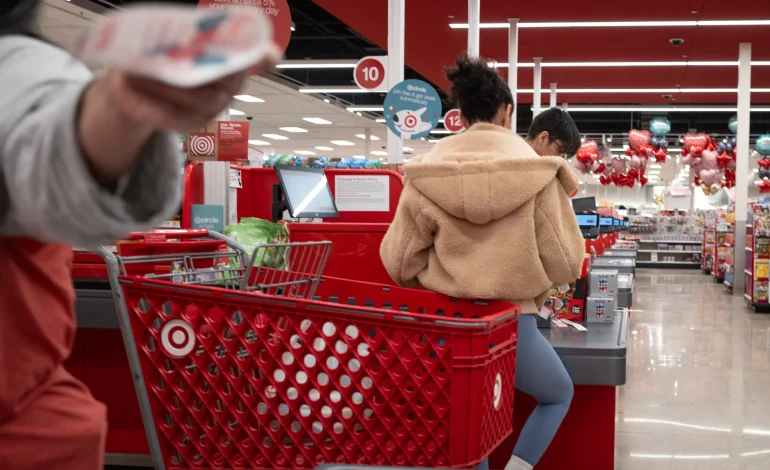
Saying the obvious: fewer people walked into stores and fewer transactions happened. But the customers who did show up spent a bit more. Food & beverage, beauty and toys were bright spots. So was the digital playbook: ads, subscriptions and third-party marketplace sales are padding margins in ways pure retailing can’t.
Fiddelke framed 2025 as a transition year. He’s promising investments across merchandising, stores and tech, and told Wall Street he’s confident momentum is building. Management guided to roughly 2% net-sales growth for 2026, with the company expecting sales to rise in every quarter — cautious, but at least directional.
Why the stock lifted even after a weak top line? Investors are cheering profit improvement and a clearer strategic tilt toward higher-margin revenue. On the flip side, the core challenge remains stubborn: the brand has lost some of the “must-visit” shine it once had, and big, value-focused competitors have kept luring shoppers away.
Fiddelke inherits a business with work to do. Market share slipped as shoppers traded down or shifted formats over the past few years, and the company’s shares have been punished accordingly. He’s already shuffled the leadership, said he’ll spend more on store staffing, and cut some back-office roles to free up dollars for the front lines. Expect more merchandising tweaks and a few limited-edition brand plays to try and recapture the “Tarzhay” magic.
Short version: the quarter was a mixed bag — soft top-line, healthier profits, and one encouraging month of sales momentum. The new CEO’s pitch is simple: fix the basics, lean harder into services that make money, and slowly win shoppers back. That’s plausible. It’s not easy. Wall Street will be watching whether the February uptick turns into a trend and whether investments actually improve the in-store experience versus competitors like Walmart, Amazon and Costco.
If he can keep the comp trend moving in the right direction over the next few quarters, the narrative flips from “struggling retailer” to “steady comeback.” If not, the patience meter will run short. Either way, Fiddelke’s first earnings report made the job clear — stabilize traffic, prove growth is back, and show that the new strategy can actually deliver.


The latest news in your social feeds
Subscribe to our social media platforms to stay tuned