


Early poll shows US public cool on Iran strikes as political risks mount for Trump
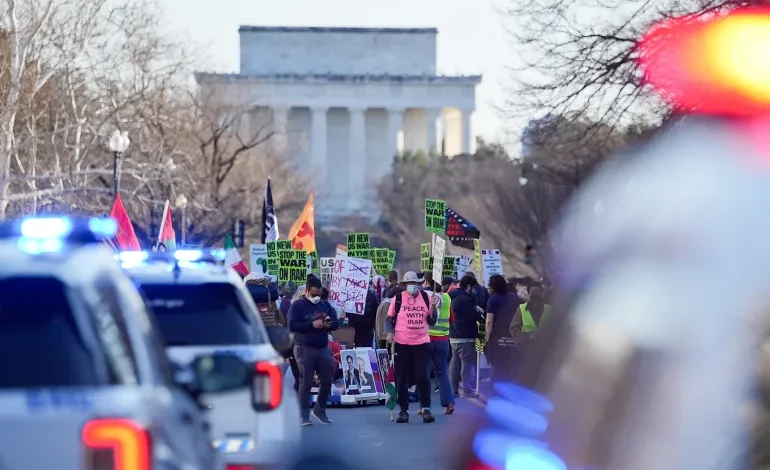

A rapid snapshot of public opinion taken in the first hours of the US-Israeli assault on Iran suggests the White House is moving ahead of the country it leads. The Reuters-Ipsos survey, conducted over the weekend before Washington confirmed its first battlefield deaths, found that only one in four Americans supported the attacks.
The gap between the administration’s rhetoric and domestic sentiment is already visible. President Donald Trump has vowed to continue what he called a “righteous mission” until “all objectives are achieved” and, after announcing that three US service members had been killed, warned that “there will likely be more before it ends”. He has framed the campaign in civilizational terms, saying Iran’s leadership “have waged war against civilization itself”.
The poll points to a far more cautious public mood. Forty-three percent said they disapproved of the operation, while 29 percent were unsure — a large bloc that underscores how early the conflict still is for many Americans. Even within Trump’s own party, support is conditional. Fifty-five percent of Republicans backed the strikes, but 42 percent said they would be less likely to do so if US troops were killed or injured in the Middle East.
That caveat has already become more than hypothetical.
For years, Trump’s political strength on foreign policy rested on his promise to end “endless wars” and pull the United States away from long Middle Eastern conflicts. The current campaign runs directly against that message, and conservative voices have begun to signal the risk.
“If this war is a swift, easy, and decisive victory, most of them will get over it,” Blake Neff wrote on X. “But if the war is anything else, there will be a lot of anger.” He added: “success can override bad explanations. So we must pray for success.”
The human cost appears to be a turning point in public perception. Doug Bandow of the Cato Institute said the confirmation of US casualties “brings home the cost of the war” and makes clear that “this is not just a video game from the standpoint of America”.
Democratic voters are far more unified in their opposition: 74 percent disapproved, with only 7 percent backing the strikes. But the political implications extend beyond party lines. Forty-five percent of all respondents — including a third of Republicans — said they would be less likely to support the campaign if it pushed up oil or gas prices, a reminder that foreign policy is being filtered through domestic economic anxiety.
That link between war and affordability is likely to shape the midterm campaign. Democrats have already leaned into the argument that Trump’s military moves, which also include the abduction of Venezuela’s president earlier this year, conflict with his “America First” messaging. At the same time, their own response in Congress has been uneven: some lawmakers praised the strike that killed Iran’s supreme leader, others questioned the legal basis for the operation, and several are now pushing for a war powers resolution to force a vote before further escalation.
On Capitol Hill, most Republicans have rallied behind the president, at least for now. But the poll suggests their voters are watching the costs closely — in casualties, in energy prices and in the possibility of a prolonged conflict.
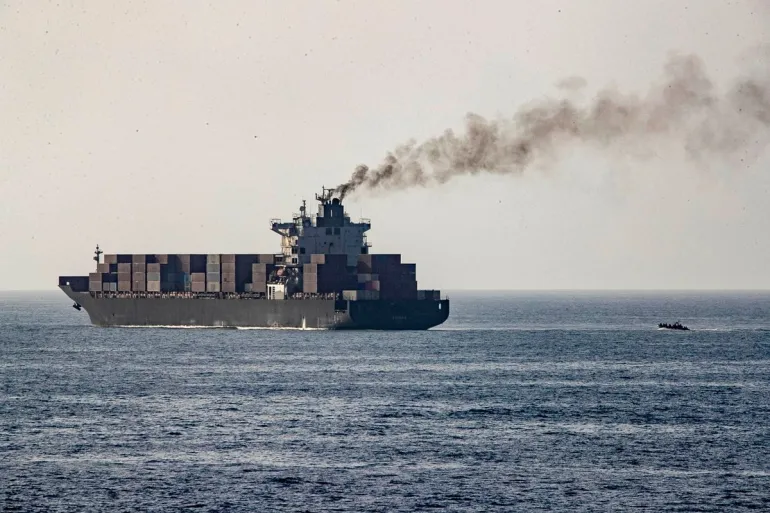
Beyond US politics, the war is already spreading across the region. The death toll stands at more than 200 in Iran, with additional casualties reported in Israel, Iraq, the United Arab Emirates and Kuwait. Shipping disruptions are beginning to affect energy routes, feeding the economic concerns that the poll shows could erode support further.

The latest news in your social feeds
Subscribe to our social media platforms to stay tuned