

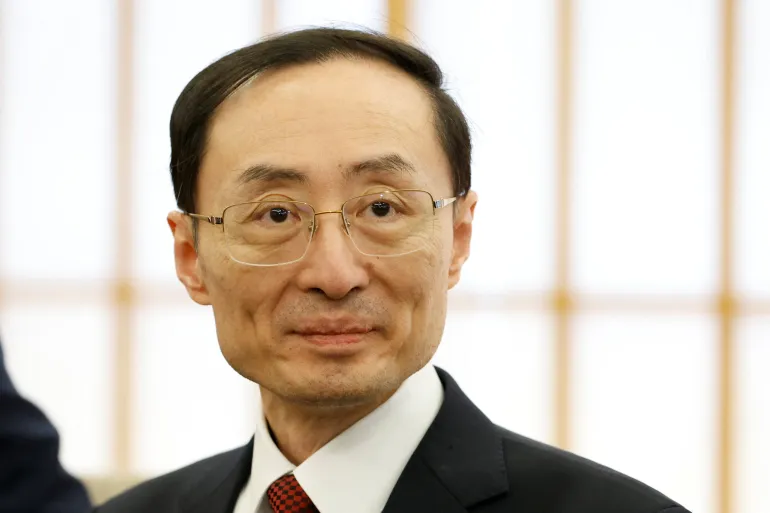


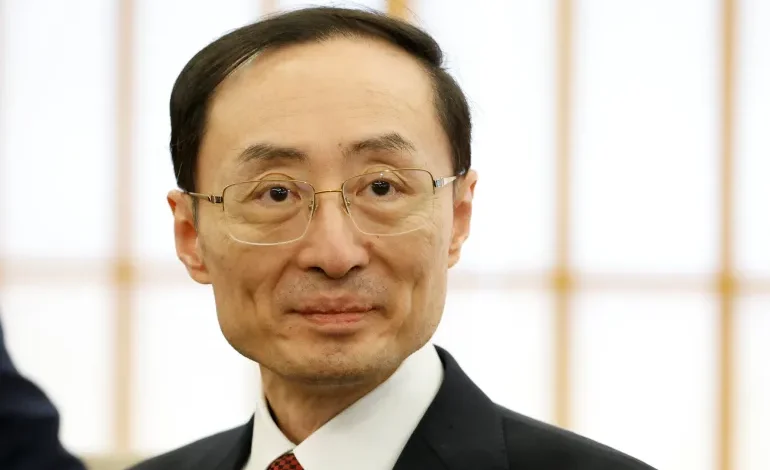

Sun Weidong has been removed from his position as China’s vice minister of foreign affairs, in the latest quiet reshuffle of a senior official by Beijing.
The decision was announced Tuesday by the Ministry of Human Resources in a brief notice citing approval by the State Council, China’s top administrative body. As is often the case with such announcements, no explanation was provided, and no timeline was given for when the removal took effect.
Public records suggest Sun was active in his role until recently. His last known engagements included meetings on March 13 with the ambassadors of Brunei and Malaysia. Two days earlier, he had also met Pakistan’s ambassador to China to discuss bilateral cooperation, according to a post shared by the diplomat.
The lack of detail leaves several possibilities open. In China’s political system, sudden removals can signal disciplinary action, often followed by formal investigations. At the same time, they can also reflect internal reshuffles, lateral moves, or early retirement — even for officials not typically considered at the end of their careers.
Sun’s removal was announced alongside that of another official, An Lusheng, who was dismissed as deputy director of the National Railway Administration, reinforcing the sense that this is part of a broader кадровый adjustment rather than an isolated case.
Personnel changes at this level tend to draw attention because they often intersect with China’s long-running anticorruption campaign under Xi Jinping. Since 2013, the campaign has targeted both senior figures and lower-level officials — the so-called “tigers and flies”.
According to official data, more than one million corruption cases were investigated last year alone, with hundreds of thousands of officials disciplined across all levels of government. Senior military figures have also been swept up in recent rounds of enforcement.


The latest news in your social feeds
Subscribe to our social media platforms to stay tuned