A ceasefire between the United States and Iran has calmed markets, at least on paper. But for consumers, the reality still looks the same: high fuel costs, expensive groceries, and little immediate relief.
That disconnect sits at the centre of a broader economic story, one shaped less by headlines and more by what Stephen Dissette, an investment advisor with Horter Investment Management, calls “economic momentum”.
Speaking to Wyoming Star, Dissette frames the divergence in simple terms: markets react to what might happen next, while consumers are still paying for what has already happened, and what hasn’t fully stabilised yet.
Stephen Dissette
“Think of it like this: markets look forward, so the ceasefire makes investors hopeful that disruptions will stop, which boosts confidence. But prices on the shelf depend on supply chains that are already strained, plus things like transportation costs and how much product is available right now. It takes time for those improvements to trickle down to everyday life.”
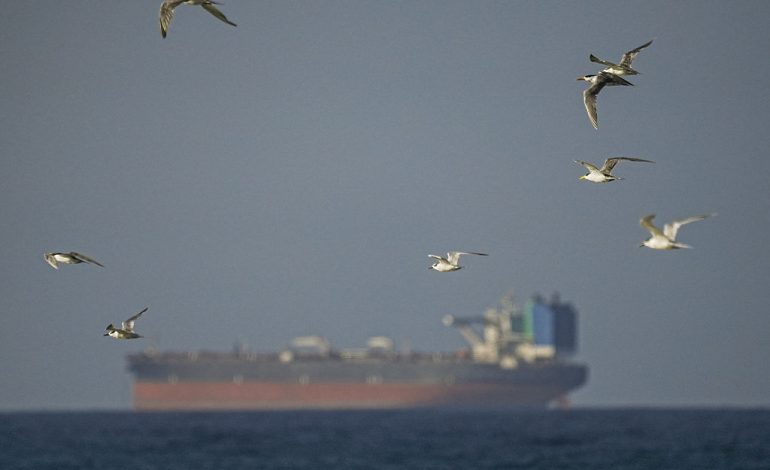
The timing matters because the ceasefire has not resolved the underlying pressure points. The Strait of Hormuz, through which roughly a fifth of the world’s oil and liquefied natural gas flows, remains unstable. Shipping disruptions, partial blockades and rerouted vessels continue to ripple through global supply chains.
Recent tracking data shows vessels reversing course, idling, or taking longer, riskier routes, while hundreds of ships remain backed up after weeks of disruption. Even where movement has resumed, it is uneven and cautious, with security concerns still shaping traffic patterns.
Against that backdrop, the idea of “economic momentum” becomes more than a concept, but the mechanism holding prices in place.
“Economic momentum is basically the idea that trends, like high prices, tend to continue for a while unless something big disrupts them.”
In practice, that means the system doesn’t reset when the fighting pauses. Supply chains that have been strained for weeks or months take time to normalise. Inventories remain tight. Transportation costs stay elevated. And businesses, having absorbed volatility, are in no rush to reverse price increases.
“A few things come into play here: Businesses might stick with higher prices to make up for lost revenue during the conflict. You also have to consider long-term damage to supply chains, which takes time to rebuild. And sometimes, it’s just a case of inflation stubbornly hanging on, affecting everything.”
The geopolitical layer continues to reinforce that inertia. Even with a truce in place, uncertainty around maritime security, including US enforcement measures targeting Iranian-linked shipping, keeps energy markets on edge.
“It’s a very significant factor. A huge portion of the world’s energy, both oil and gas, travels through there. The uncertainty around its security makes investors nervous, which keeps prices high and trickles down to consumer products eventually.”
“Also the US Navy has begun enforcing a blockade of Iranian ports .This move is aimed at restricting maritime traffic to and from Iran, following the collapse of recent talks. It’s focusing on vessels entering or leaving Iranian ports, though they’ve mentioned not impeding freedom of navigation for ships transiting the Strait of Hormuz to other countries. This could also create further uncertainty for the markets, especially among prices.”
Even when costs begin to stabilise upstream, another layer slows the pass-through to consumers: behaviour. Businesses tend to hold prices steady longer than they raise them, balancing margins, competition and perception.
“From a behavioral standpoint, businesses often show price rigidity because they want to maintain profit margins and avoid potential price wars with competitors. There’s also a psychological factor called anchoring, where both businesses and consumers get used to a certain price point, making changes difficult. Plus, lowering prices might signal a drop in quality to some customers, so businesses move cautiously.”
We use cookies on our website to improve your browsing experience. We process your data to deliver content or
advertisements and measure the delivery of such content or advertisements to extract insights about our website.
We share this information with our partners on the basis of consent.









The latest news in your social feeds
Subscribe to our social media platforms to stay tuned