

IMF Flags Global Growth Shock as Middle East War Risks Push World Toward Slower Expansion and Higher Inflation

With input from the New York Times, the Guardian, BBC, the Wall Street Journal, Reuters, the Washington Post, and Axios.
The global economy is heading into a rougher stretch, and the International Monetary Fund isn’t sugarcoating it.
In its latest World Economic Outlook, the IMF warned that the Middle East war – centered on the Iran conflict and the fallout from disrupted energy flows – is dragging down global growth and pushing inflation higher. And if things escalate further, the damage could move from “slowdown” territory into something much closer to a global recession.
Even the baseline is weaker now. The fund sees global growth easing to about 3.1% in 2026, down from 3.4% last year, with inflation rising to roughly 4.4%. That’s before factoring in any deeper disruption to oil supply routes like the Strait of Hormuz, which has already seen major volatility.
But the IMF spends most of its attention on what happens if the conflict drags on.
In a harsher “adverse” scenario – where energy prices stay elevated and disruption continues – global growth slips to around 2.5%, while inflation climbs above 5%. Stretch that further, and the picture gets more severe: growth near 2%, inflation above 6%, and conditions the IMF describes as a “close call” for a global recession. That kind of global contraction has only shown up a handful of times since 1980, including the financial crisis and the pandemic shock.
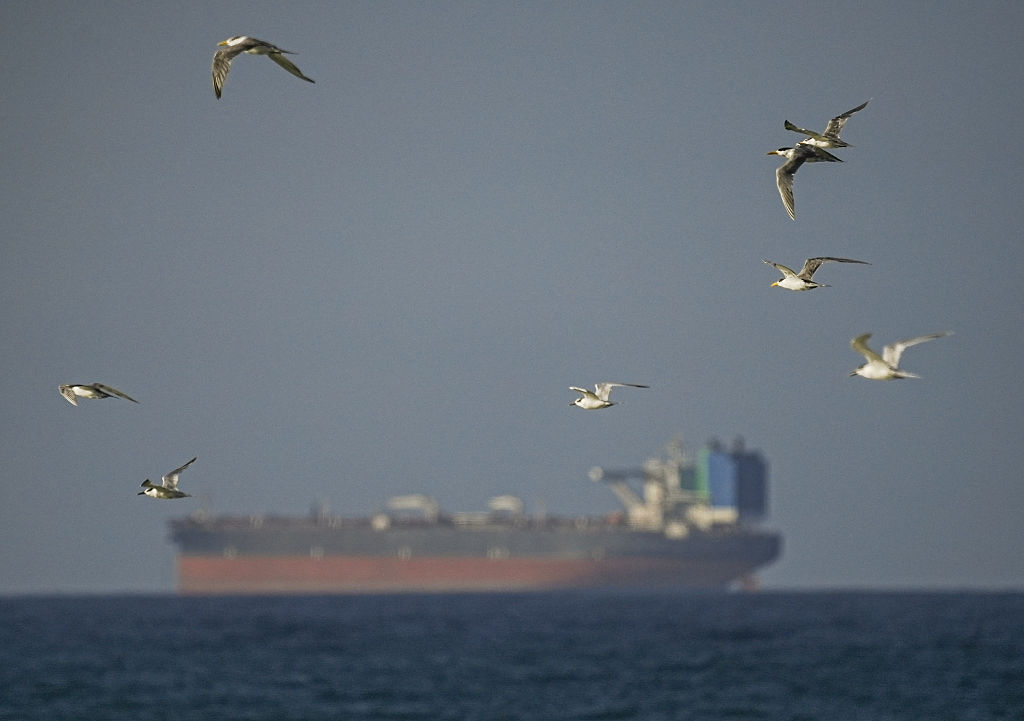
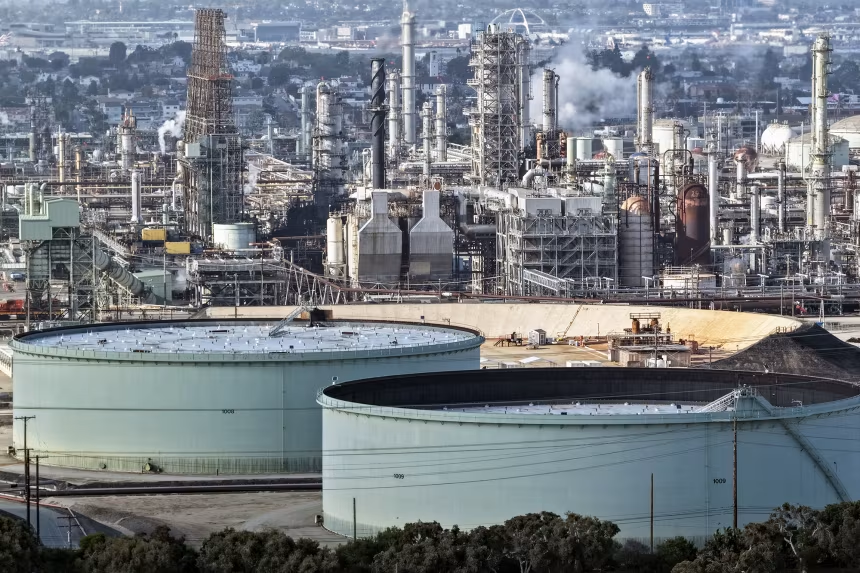
Oil markets are sitting at the center of it all. Prices surged above $100 a barrel earlier this week as weekend US-Iran talks stalled and tensions over shipping routes intensified, before easing back slightly on renewed hopes for diplomacy. Even so, the volatility has been enough to push energy costs into the broader economy, feeding through into prices for transport, food, and manufacturing.
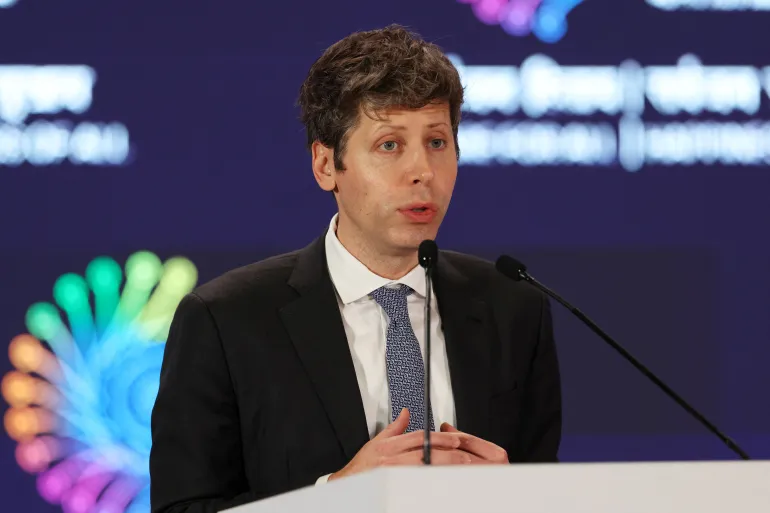
Pierre-Olivier Gourinchas, the IMF’s chief economist, said the world economy has already taken a hit.
“Some damage is already done, and the downside risks remain elevated,” he noted, pointing to how quickly uncertainty is spilling into investment and consumption decisions.
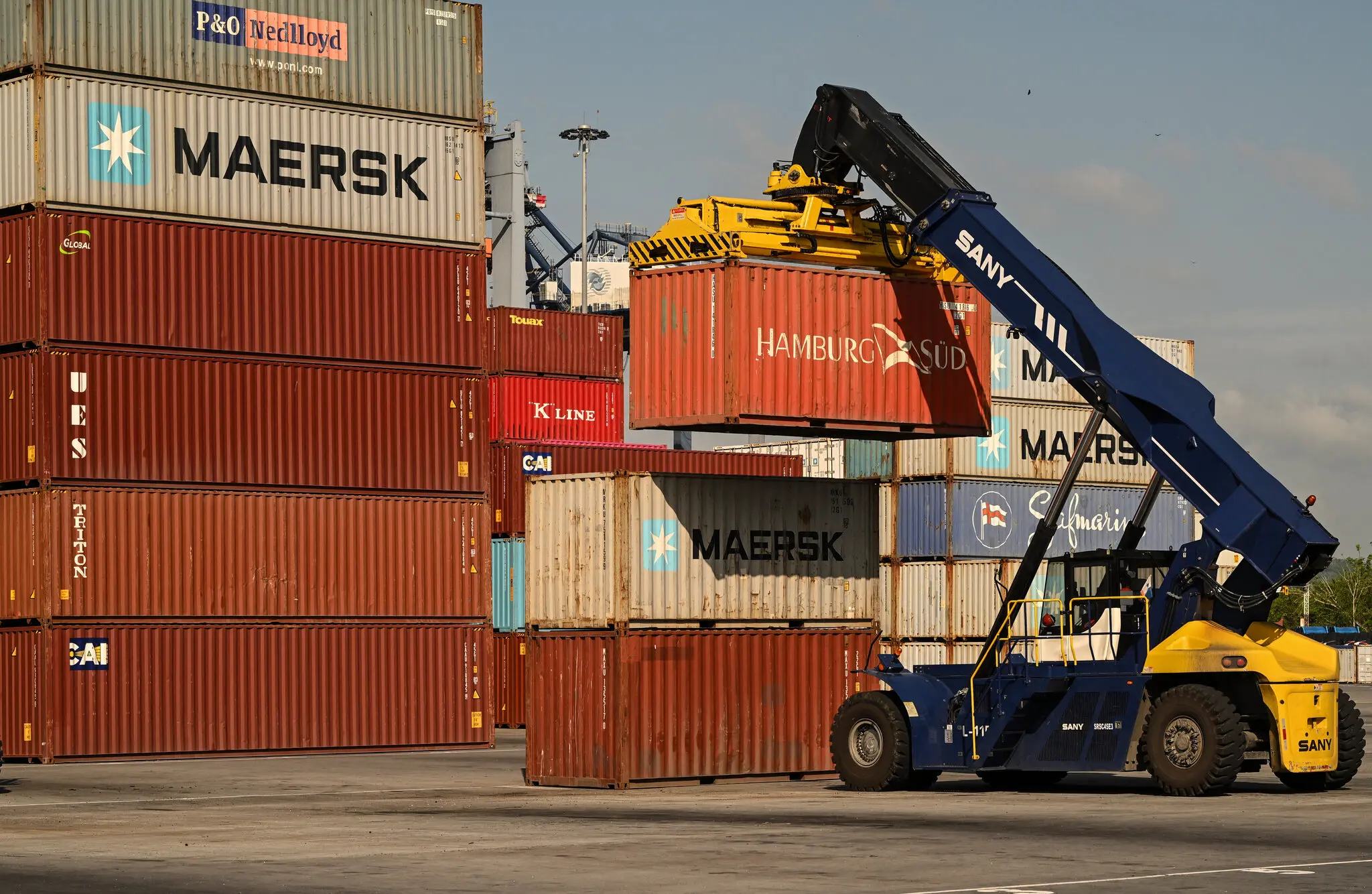
The IMF is clear on the mechanism: higher energy prices act like a broad tax on activity. They lift costs across supply chains, squeeze household budgets, and force central banks to stay tighter for longer.
Even if the war doesn’t escalate further, inflation is still expected to sit well above previous forecasts. But the risk is that sustained disruption creates a second round effect – wage pressure, pricing cycles, and financial market tightening feeding off each other.
If energy prices remain high for longer, the fund warns inflation could top 6%, forcing central banks to respond more aggressively. That would mean higher borrowing costs just as growth is weakening.
Not every economy is hit equally.
Net energy importers and developing countries are expected to take the biggest blow, while advanced economies also see downgrades. The UK stands out in the IMF’s revised projections, with growth cut sharply and inflation expected to climb close to 4%. The US outlook is trimmed more modestly, but still lower than earlier estimates.
Energy exporters are on the other side of the swing. Some Gulf economies are expected to slow, while Russia benefits from higher prices flowing through to export revenues despite ongoing sanctions pressure.
The IMF lays out three paths depending on how the conflict develops:
- Short-lived disruption: growth around 3.1%, inflation roughly 4.4%
- Extended shock: growth near 2.5%, inflation above 5%
- Severe case: growth close to 2%, inflation above 6%
The difference between those scenarios mostly comes down to one thing: how long oil flows remain constrained and whether infrastructure damage spreads further across the region.
Even a relatively contained conflict still leaves lasting effects, the IMF says, particularly through energy prices that remain elevated longer than expected.
With finance ministers and central bankers gathering in Washington this week for the IMF and World Bank meetings, the message from the fund is blunt: act carefully, and don’t assume this passes quickly.
Targeted support for households and vulnerable industries may be needed if prices spike again, but the IMF warns against broad subsidies or long-term fixes that add to already heavy public debt burdens.
Pierre-Olivier Gourinchas summed up the tension facing policymakers: even if the conflict cools, the global economy isn’t simply resetting back to where it was.
The shock, he suggested, is already in the system.


The latest news in your social feeds
Subscribe to our social media platforms to stay tuned