



Europe Braces for Jet Fuel Crunch as Summer Travel Faces Turbulence

Bloomberg, the Independent, FOX Business, the Washington Post contributed to this report.
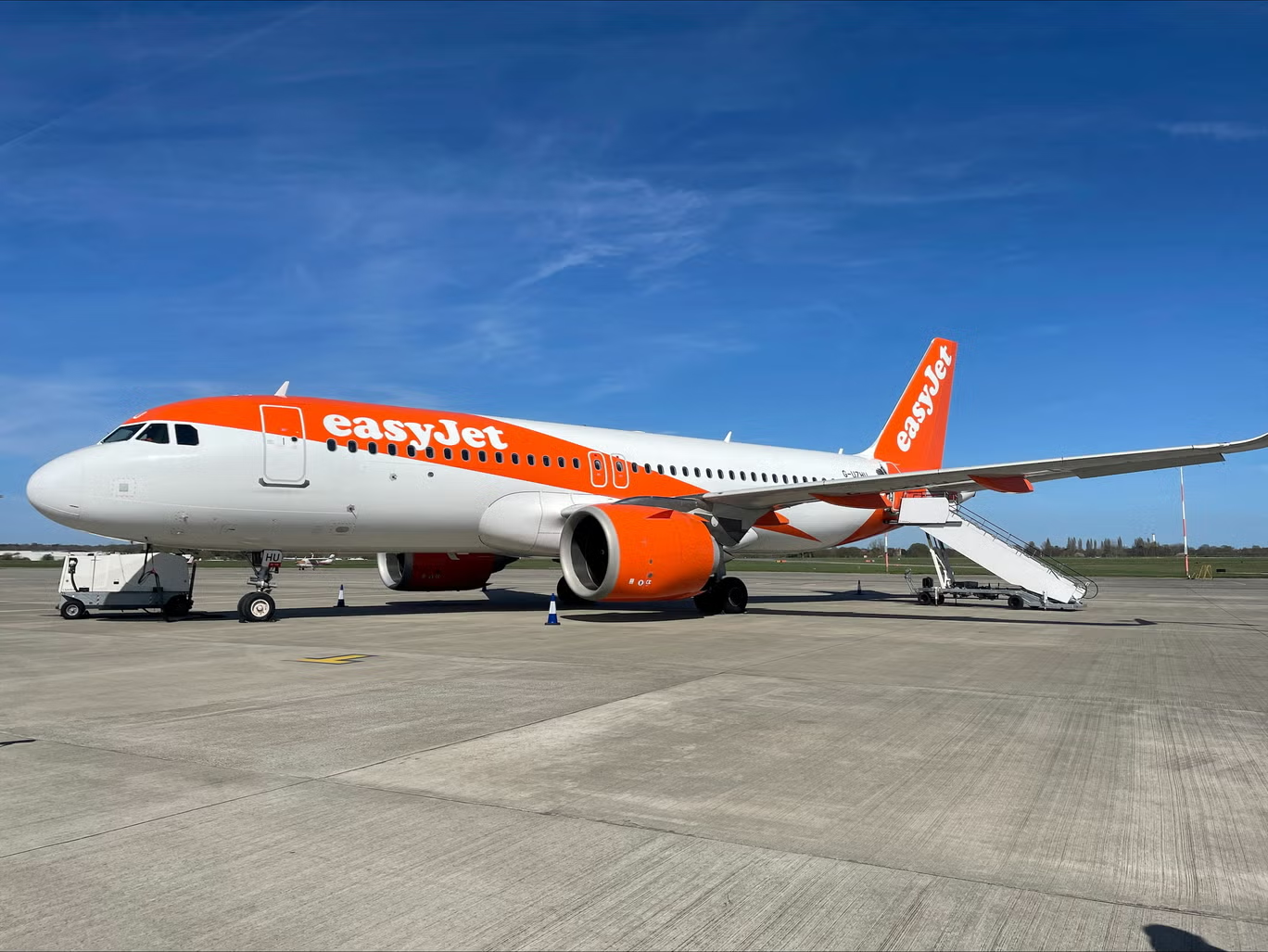
Europe’s summer travel season is heading into rough air.
Officials are scrambling to contain a growing jet fuel squeeze, with supply disruptions linked to the Iran conflict expected to drag on for months – even if the Strait of Hormuz reopens. The concern isn’t just higher prices. It’s whether there’s enough fuel to keep planes flying on packed summer schedules.
The warning signs are piling up. International Energy Agency chief Fatih Birol recently said Europe may have only about six weeks of jet fuel left under current conditions. Airline executives echoed that message at an industry gathering in Barcelona, describing a system already stretched thin before peak travel demand kicks in.
Flights won’t stop altogether. But disruptions look increasingly likely. June through early August is usually fully booked across Europe, leaving airlines little room to maneuver if supplies tighten further. Fewer flights, last-minute cancellations, reshuffled schedules – it’s all on the table.
Even if the worst shortages are avoided, ticket prices are heading one way. Up. Fast.
Jet fuel costs have surged roughly 50% since the conflict began, tracking swings in Brent crude, which spiked sharply earlier in the crisis. Fuel already accounts for as much as a third of airline operating costs. When it jumps this quickly, airlines don’t have many options.
Passengers are already feeling it. Fares on some routes have climbed anywhere from 10% to 50%. Extras – baggage, seat selection – are getting pricier too. Industry insiders call them “fuel surcharges” in disguise, and once they’re baked in, they rarely disappear.
Airlines are also stuck with a timing problem. Tickets sold months ago can’t be repriced overnight, leaving carriers to absorb part of the hit. Some are cutting flights. Others are trimming capacity or quietly adjusting fees to make up the difference.
The impact isn’t evenly spread. Europe is particularly exposed. When the strait effectively shut earlier in the conflict, as much as 25–30% of the region’s jet fuel supply was disrupted. By contrast, the US – a net exporter of jet fuel – has more breathing room, at least for now.
Still, the ripple effects are global. As existing fuel shipments dry up, even American carriers may feel more pressure, especially on international routes.
For travelers, the takeaway is simple: expect a bumpier ride this summer. Some trips will cost more. Others may not happen at all. And even if tensions ease, the system won’t snap back overnight.
“This isn’t a short-term shock,” one aviation consultant said. “It’s going to take time to unwind.”


The latest news in your social feeds
Subscribe to our social media platforms to stay tuned