



Reuters, CNBC, Bloomberg, the Wall Street Journal, and the Financial Times contributed to this report.
Procter & Gamble just delivered a solid quarter. Then it reminded everyone what’s coming next.
The consumer goods giant topped Wall Street estimates on both earnings and revenue, helped by something it hadn’t seen in a while: actual growth in product volumes. Sales rose 7% to $21.24 billion, and adjusted earnings came in at $1.59 per share, ahead of expectations.
After a year of shoppers pulling back and stretching out purchases, demand finally ticked higher. Volumes climbed 2% across the business – a small number, but a meaningful shift.
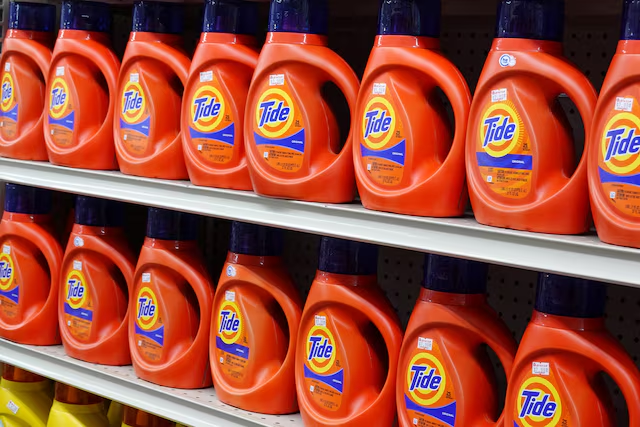
Some categories stood out. Beauty products – including brands like Olay and Head & Shoulders – led the way with 5% volume growth. Household staples held up too, with steady demand for items like Tide detergent and Bounty paper towels. Not everything moved in the same direction, though. Grooming and health care segments both slipped, showing that the recovery isn’t uniform.
So far, so good.
Looking ahead, the tone changes.
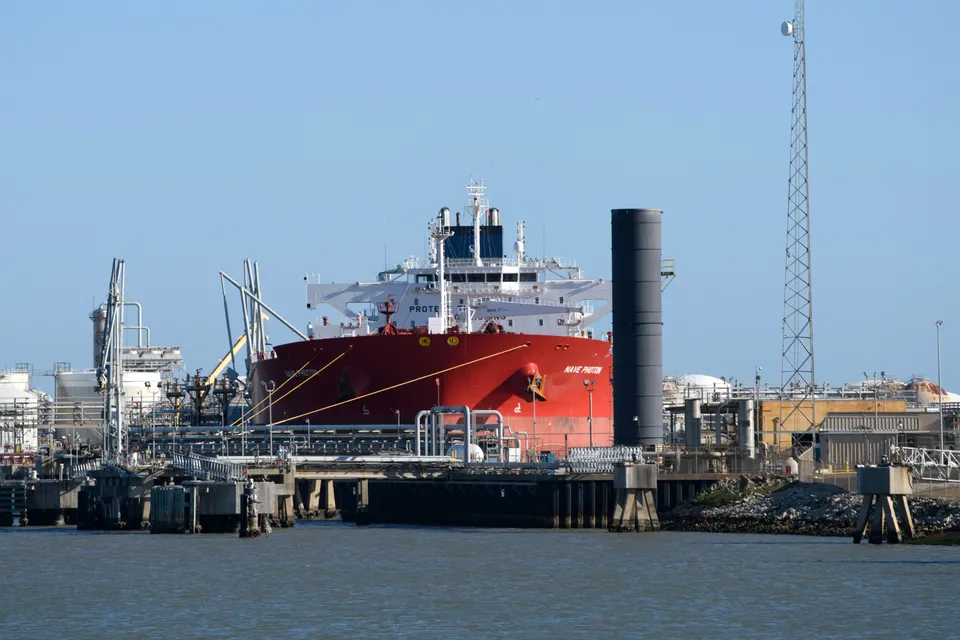
Executives pointed straight at rising oil prices – and the broader fallout from the Iran war – as a growing risk to profits. Higher energy costs are already pushing up transportation and input expenses, and that pressure is expected to build.
In the current quarter alone, P&G expects about a $150 million hit tied largely to fuel-related costs. Stretch that out further, and the numbers get bigger. If oil prices stick around $100 per barrel, the company estimates it could take a $1 billion annual hit after taxes starting in fiscal 2027.
That’s not a forecast they’re ready to lock in just yet.
CFO Andre Schulten didn’t hide the uncertainty. With geopolitical tensions still shifting, he made it clear the company isn’t rushing to outline next year’s outlook. There’s just too much in motion.
For now, P&G is sticking with its current full-year guidance – modest sales growth and low-to-mid single-digit earnings gains – but even that comes with a caveat. Where results land within that range is getting harder to pin down.
The next question is how much of those rising costs get passed on to consumers.
P&G isn’t planning blanket price hikes. Instead, it’s likely to nudge up prices on premium products while trying to protect volume elsewhere. That reflects a familiar split: higher-income shoppers are still spending, while more budget-conscious consumers are watching every dollar – especially with gas prices creeping higher.
So the picture is mixed. Strong quarter. Demand stabilizing. But underneath it, a cost problem tied directly to energy markets that aren’t calming down anytime soon.
For a company that sells everyday essentials, even small shifts in oil prices can ripple across the entire business. Right now, those ripples are starting to look a lot bigger.



The latest news in your social feeds
Subscribe to our social media platforms to stay tuned