




With input from Bloomberg, the New York Times, the Hill, and the Wall Street Journal.
The White House is buying itself more time – and hoping it buys drivers a little relief too.
The White House said Friday it’s extending a key shipping waiver for another 90 days, pushing it through August as fuel prices stay stubbornly high.
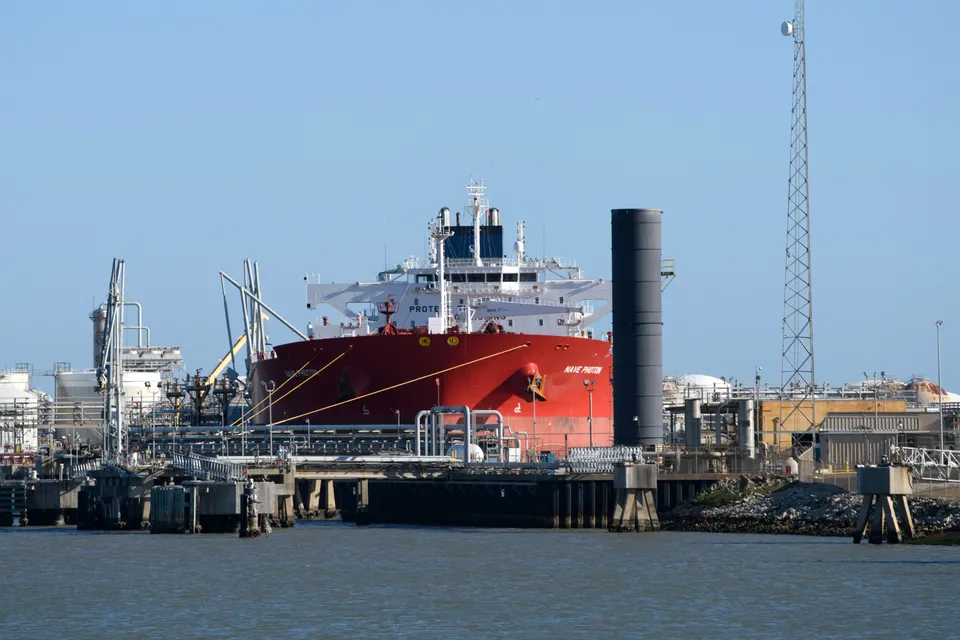
At the center of it is the Jones Act, a century-old rule that requires goods moved between US ports to travel on American-built and operated ships. Waiving it – even temporarily – lets foreign vessels step in, which tends to be cheaper and faster.
Officials say the initial waiver worked better than expected. More fuel made it to US ports, and it got there quicker.
“This extension provides certainty and stability,” said White House spokesperson Taylor Rogers, pointing to improved supply flows since the policy first kicked in.
The timing isn’t random. Oil markets are still rattled by the Iran war and the effective shutdown of the Strait of Hormuz – a narrow corridor that normally handles about a fifth of the world’s oil supply.
Prices reflect that strain. Brent crude is hovering around $105 a barrel, while US benchmark West Texas Intermediate sits near $95. At the pump, the national average has climbed to roughly $4 a gallon.
The waiver won’t solve that. It’s more of a pressure release valve.
By letting cheaper ships move fuel along the US coastline, the policy trims transportation costs and smooths out regional shortages. Back in 2022, analysts at JPMorgan estimated a similar move could shave about 10 cents per gallon off prices on the East Coast. Not huge, but noticeable.
The broader goal is to keep supply chains moving – not just gasoline, but industrial materials and agricultural goods that rely on coastal shipping.
There’s also a political backdrop. A recent Reuters/Ipsos poll found a large majority of voters believe Donald Trump bears at least some responsibility for rising gas prices, adding pressure on the administration to show it’s doing something.
For now, this is one of the tools available. Keep fuel moving. Keep costs from climbing faster than they already are.
Whether it’s enough depends less on shipping rules and more on what happens thousands of miles away – where oil flows remain anything but stable.


The latest news in your social feeds
Subscribe to our social media platforms to stay tuned