


Canada plans first sovereign-style fund as Carney pushes economic independence
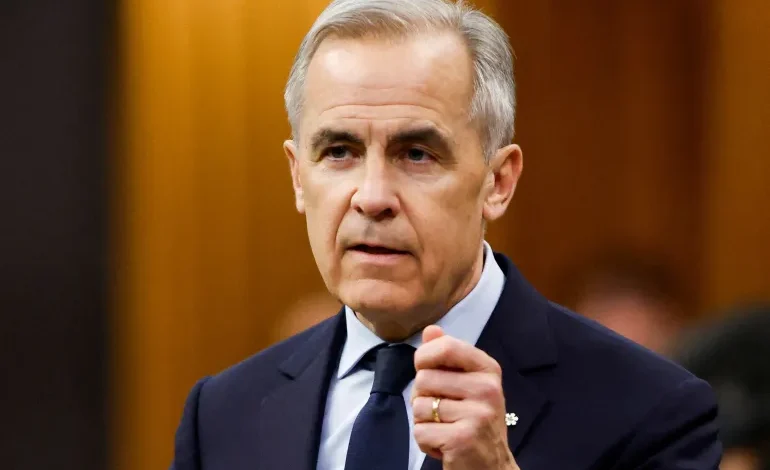

Canada is moving toward a more active role in shaping its own industrial future, with Prime Minister Mark Carney announcing plans for a government-backed investment fund aimed at major domestic projects.
The proposed fund, valued at 25 billion Canadian dollars ($18bn), would mark a first for the country. It is designed to co-invest alongside private capital in sectors seen as critical to long-term growth, including energy, infrastructure, mining, agriculture and technology.
The timing of the announcement matters. It comes as Canada looks to reduce its economic reliance on the United States, a relationship that has come under renewed strain. President Donald Trump has imposed tariffs and repeatedly made remarks about Canada becoming “the 51st state”, putting pressure on Ottawa to rethink its economic positioning.
Carney framed the fund as part of a broader shift toward strategic investment, drawing on models used elsewhere.
“We take a lesson from other jurisdictions that had the foresight many decades ago to start sovereign wealth funds,” he said. “In some cases, they began with a domestic focus then outgrew the scale of the domestic focus.”
Unlike traditional sovereign wealth funds, which are typically built from budget surpluses, Canada’s proposal is emerging without that cushion. Instead, the structure relies on public-private partnerships to mobilise capital for projects the government considers essential.
The concept itself is not new globally. More than 90 sovereign wealth funds operate worldwide, collectively managing over $8 trillion in assets, according to the International Forum of Sovereign Wealth Funds. These funds are often used to stabilise economies, invest resource revenues or build long-term national wealth.
In Canada’s case, the emphasis appears to be more immediate: financing infrastructure and industrial capacity at a time of geopolitical and economic uncertainty.
The move also mirrors developments in the United States, where Trump ordered the creation of a federal sovereign wealth fund last year, adding to more than 20 similar entities already operating at the state level.
Carney’s background — as a former central banker in both Canada and the United Kingdom — suggests a preference for structured, institutional approaches to economic management. The planned fund fits that pattern, positioning the state not just as a regulator but as a direct participant in investment decisions.


The latest news in your social feeds
Subscribe to our social media platforms to stay tuned