

USA Today, CNBC, Reuters, Bloomberg contributed to this report.
The Federal Reserve isn’t expected to touch interest rates this week. Instead, all eyes are on what comes next – and who’s in charge when it does.
Officials are widely tipped to stay in wait-and-see mode when their two-day meeting wraps on April 29, keeping rates in the 3.5% to 3.75% range. The backdrop isn’t exactly calm. The Iran war is pushing oil prices higher, tariffs are feeding into costs, and there’s still unease about the job market.
That leaves policymakers stuck in a tricky spot. Inflation is heating up again – the Consumer Price Index jumped to 3.3% in March from 2.4% the month before – while hiring hasn’t exactly taken off. Employers added 178,000 jobs last month, which helped steady nerves a bit, but not enough to settle the debate inside the Fed.
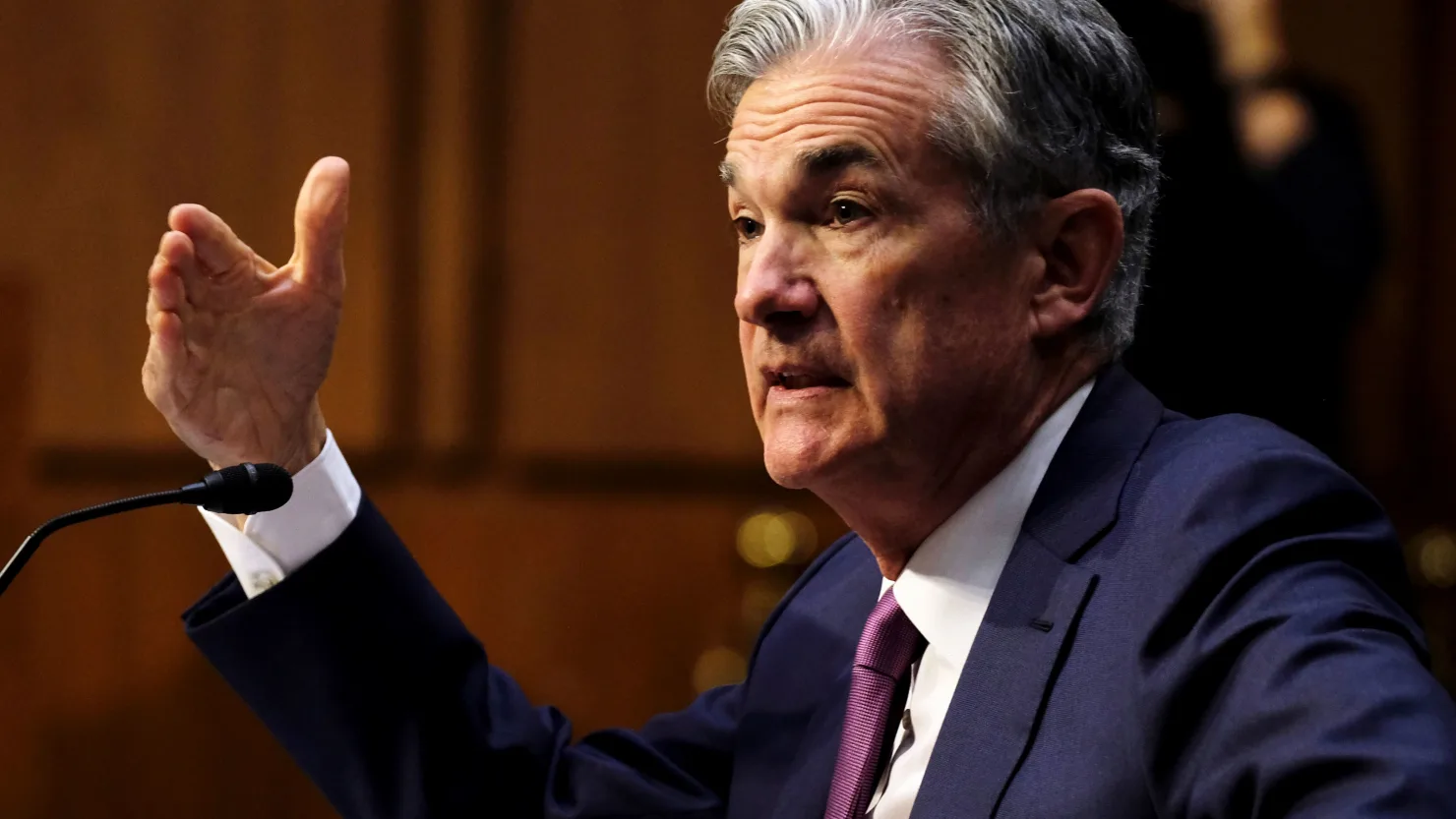
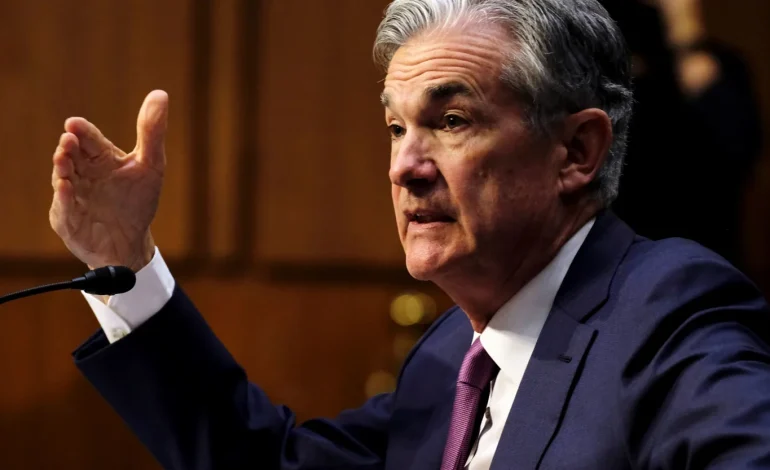
So the real action may come after the decision, when Jerome Powell steps up to the mic. This could be his final press conference as chair, with his term set to expire in mid-May. Markets will be parsing every word, trying to figure out what worries the Fed more right now: sticky inflation or a softening labor market.
There’s no clear path. Even Fed insiders admit as much. Austan Goolsbee recently warned that a worst-case scenario – rising prices combined with a pullback in consumer spending – could tip the economy toward stagflation. Not the base case, but not off the table either.
For now, the safest move is no move at all. Analysts expect the Fed to sit tight not just this week, but potentially for months, especially with uncertainty around the Strait of Hormuz threatening energy markets and global supply chains.
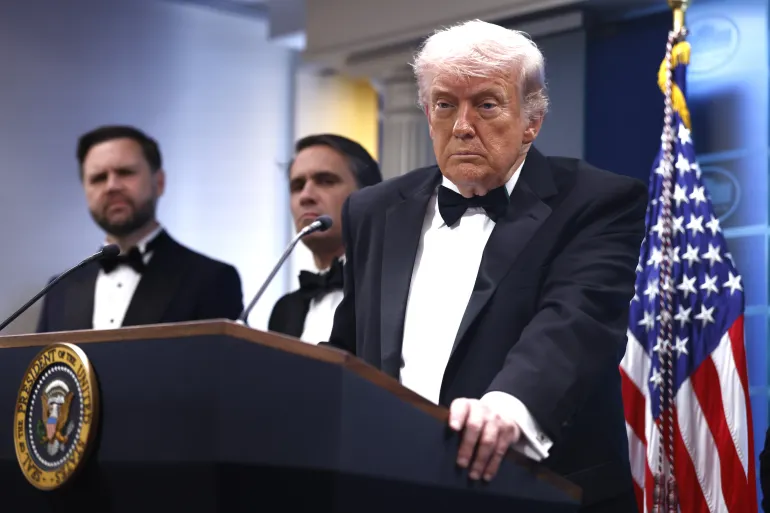
Meanwhile, a leadership shift is looming. Kevin Warsh, nominated by Donald Trump, looks increasingly likely to take over. His confirmation had been held up, but momentum picked up after the Justice Department dropped its investigation into Powell. If Warsh gets the job, he’s hinted at shaking things up – new tools, new frameworks, maybe even a different way of communicating policy.
Still, don’t expect a sudden pivot. Even with a new chair, the Fed’s broader direction may not shift overnight.
Out in the real world, the rate decision matters, but maybe not in the way people think. Lower rates make borrowing cheaper and can boost hiring. Higher rates cool spending and help tame inflation. Holding steady, like now, usually means the Fed sees risks on both sides – and isn’t ready to pick one fight over the other.

The latest news in your social feeds
Subscribe to our social media platforms to stay tuned