

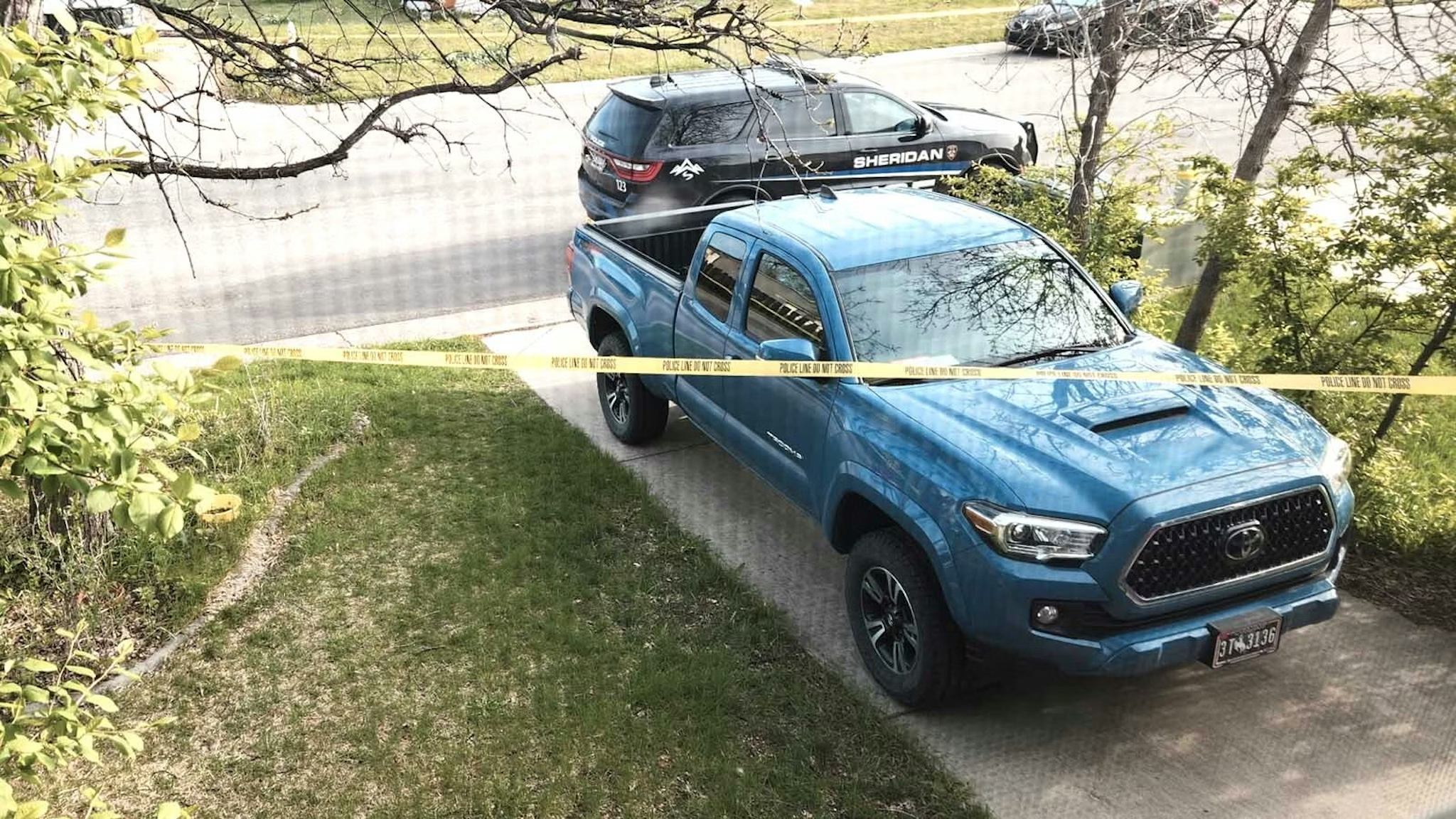


Wyoming law is about as friendly as it gets toward gun rights and self-defense, but even here, the rules for opening fire on somebody are complicated. The wrong decision can land a shooter in big legal trouble. Wyomingites love their guns, and many keep firearms by their bedsides, in their vehicles and on their persons. However, experts warn that this isn’t the Wild West any longer. Even in the most justified cases of shooting in self-defense, the shooter will be investigated. And one wrong move can land them in prison.
Even if somebody who shot in self-defense is cleared of criminal wrongdoing, they still might face civil actions that could ruin them financially. The decision to carry a firearm isn’t something to be taken lightly, Casper attorney Ryan Semerad told Cowboy State Daily. “It’s going to cause an investigation, and the investigation needs to be completed because it’s a hugely consequential matter,” said Semerad, who has defended civilians and law enforcement officers in deadly-force cases. “You might have just killed or nearly killed somebody.” There are also psychological effects. “Taking a life is huge. I’ve never met a person who has taken another person’s life who hasn’t been touched by that experience,” he said. “If you’re not ready for that, don’t put yourself in that situation.”
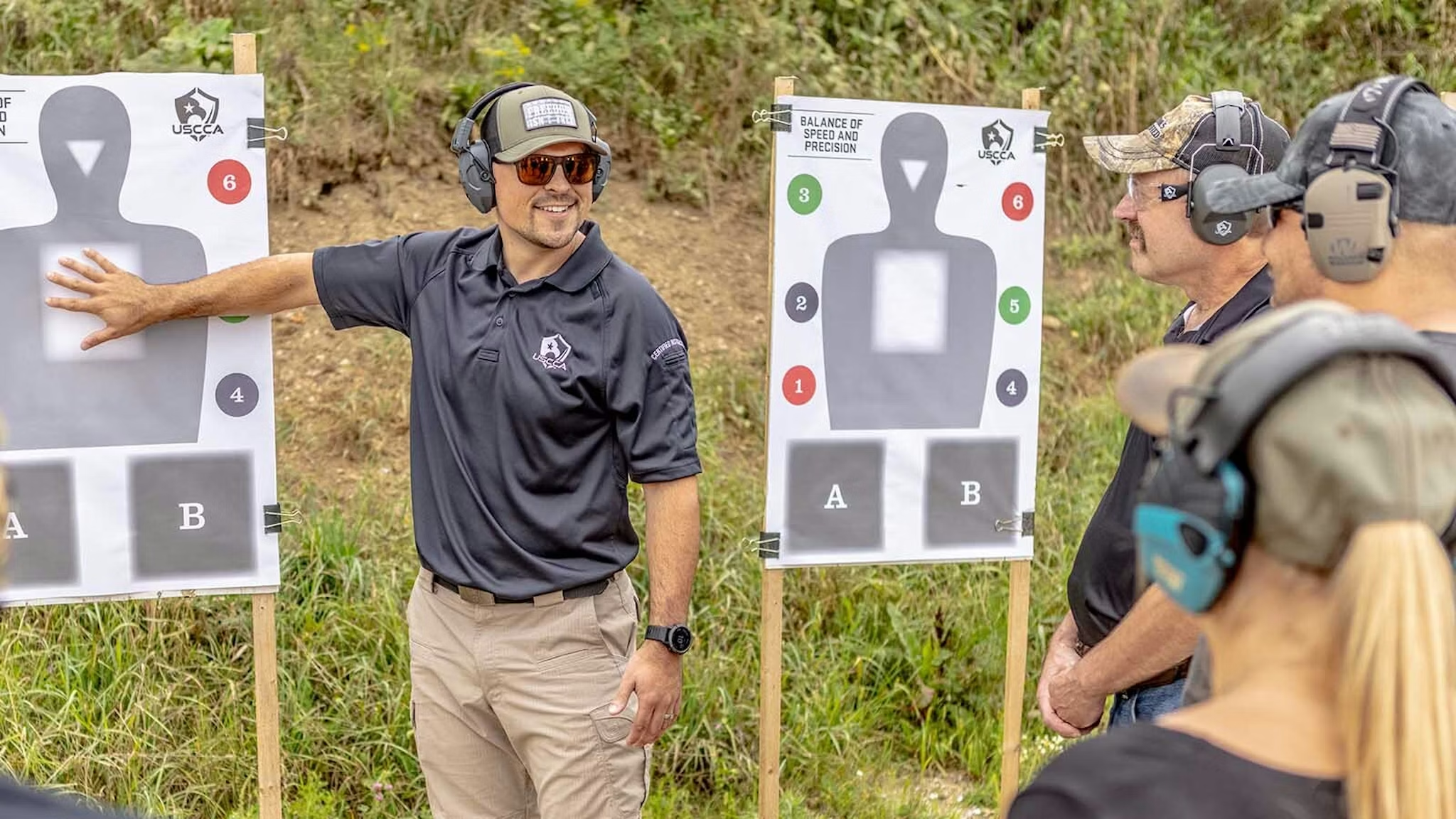
Statutes governing lethal force vary by state, but there are overarching criteria, said James Cullers of Casper, a certified trainer with the U.S. Concealed Carry Association and NRA. “You can’t initiate the scenario, you can’t escalate that scenario,” he said. The USCCA lays out four basic rules for legitimate self-defense: a reasonable and immediate fear of death or serious bodily harm to yourself or another person; the shooter must be an innocent party; no lesser use of force is sufficient or available; and there is no reasonable means of retreat or escape.
Inside people’s homes, Wyoming’s strong “castle doctrine” standard favors residents claiming self-defense. The statute says a person who unlawfully and by force tries to enter another’s home is presumed to be doing so with intent to commit violence. Even so, blasting somebody trying to run out your door with your TV would likely not be justified. “You’ve got to let them go,” Semerad said. Outside the home, matters get more complicated. The shooter can’t have been the initial aggressor, must be where they had a legal right to be, and wasn’t engaged in illegal activity.
Semerad cited a “weed dealer” who was threatened and fired in self-defense but went to prison because he was engaged in illegal activity at the time. Likewise, somebody trespassing couldn’t claim self-defense. One rule of concealed carry is to avoid sketchy places. “Don’t go down that dark alley,” Cullers said. “If it takes you a little bit longer to walk around the block to your car, then walk around the block.”
Semerad said people who have had “even one drink” shouldn’t carry. Most assaults don’t come from random strangers but from people who know each other well in emotionally fraught situations over money or romantic jealousy. Another misconception is that it’s not justified to shoot somebody with only a knife. Legal justification often hinges on “disparity of force.” A petite woman might be justified using a gun against a huge unarmed man. And somebody 21 feet away with a knife can be deadly — the “Tueller Drill” shows they can cover that distance in about 1.5 seconds.

The latest news in your social feeds
Subscribe to our social media platforms to stay tuned