
‘AI Will Never Replace Us’: Wyoming Nurse Rides Booming Career Wave
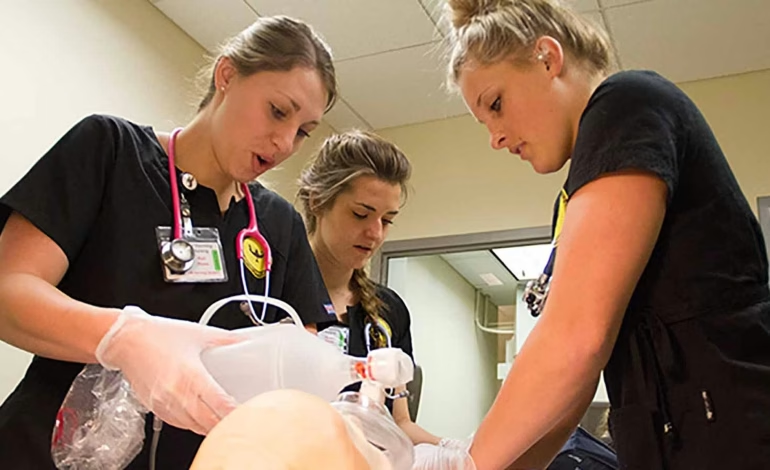

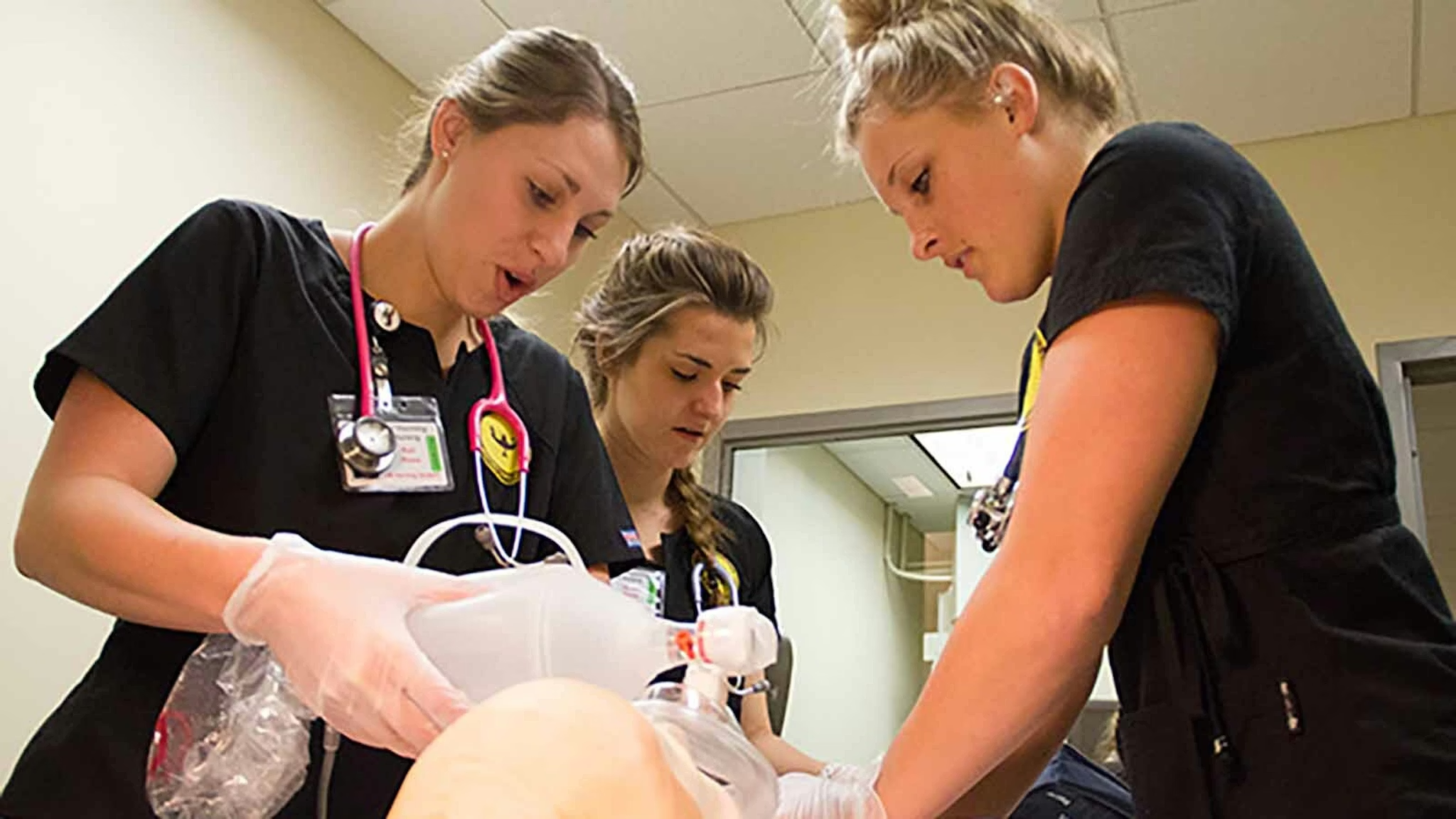
Just a few years ago, Ashley Myers was piecing together low-wage jobs as a single mother, struggling to get by. Today, she works in a highly specialized electrophysiology lab in Cheyenne, Wyoming, monitoring the electrical systems of patients’ hearts. Her transformation is part of a larger story: nursing has become one of America’s most reliable paths to prosperity, with wages growing rapidly and demand far outpacing supply.
Myers, a graduate of the program Climb Wyoming, says the opportunities in nursing are virtually endless. From school settings to rehab units to high-tech specialties like hers, nurses can constantly scale up their skills and salaries. “AI is a great tool, but it will never replace us,” she insists. “We have to have people to do this work.” In her own lab, new artificial intelligence tools are improving imaging quality to help predict heart issues. Yet she sees no threat to the human core of the job.
The numbers back her confidence. Median wages for registered nurses nationwide are around $94,000, compared to $49,500 for all occupations. Nurse practitioners earn a median of $132,000. Myers notes that starting pay at her hospital has jumped $20 per hour since she began. During the pandemic, she received a retention bonus of $10 extra per hour on top of a competitive salary.
Despite the high pay and clear demand, the nursing pipeline is clogged. The University of Wyoming’s nursing school can only admit about 60 students a year, though 120 to 200 typically apply. Dean Sherrill Smith cites a lack of clinical placements and a nationwide shortage of nursing faculty, who often leave for better-paying clinical jobs. “The faculty shortage is most severe in the West,” she says. Federal legislation is being considered to help close that pay gap.
Meanwhile, the Bureau of Labor Statistics projects 40% growth in demand for advanced-degree nurses over the next decade, compared to just 3% for all occupations. Registered nurse jobs will grow only 5%, exposing a deep gap between capacity and need. Hospitals across Wyoming and the Mountain West are desperate for nurses, and out-of-state recruiters constantly send flyers with signing bonuses.
Programs like Climb Wyoming are doubling down on health care training, along with skilled trades and truck driving—fields that are largely AI-proof. The organization estimates it has saved the state $138 million in reduced welfare benefits by placing single mothers into sustainable careers. As Baby Boomers age and retire from both patient beds and nursing stations, the shortage will only intensify. For Myers, that means one thing: job security, a rising paycheck, and a future no algorithm can take away.



The latest news in your social feeds
Subscribe to our social media platforms to stay tuned