

$4.30 a Gallon: How the US-Iran War Is Hitting American Drivers Right in the Wallet
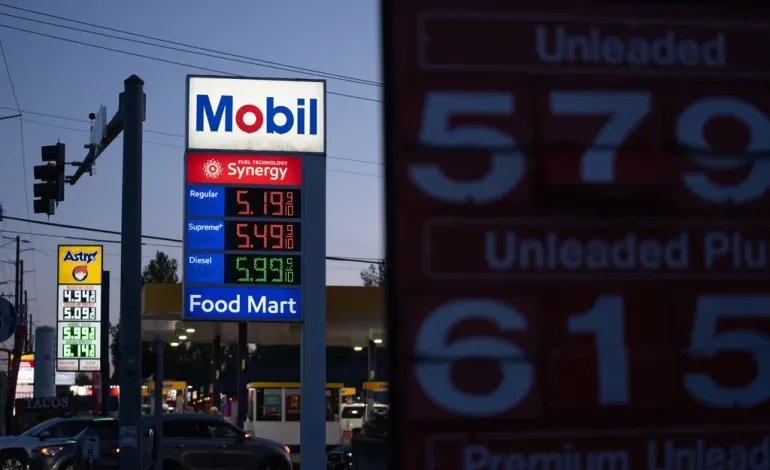

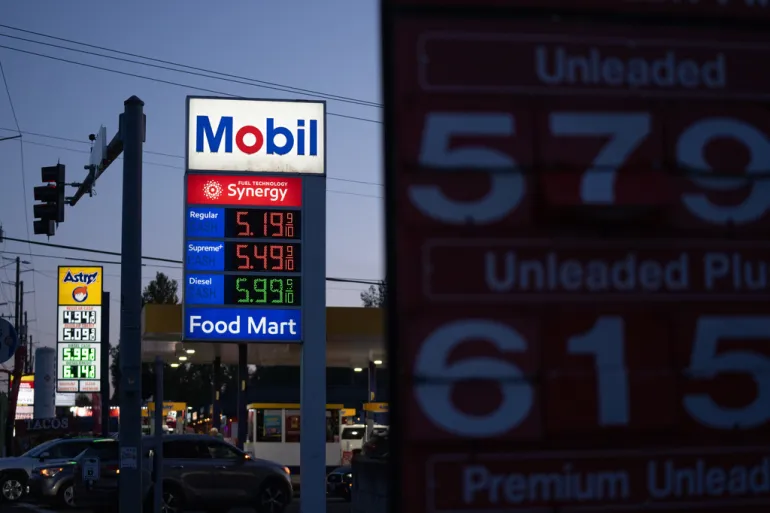
The average price of a gallon of gasoline in the United States has just crossed $4.30, according to the American Automobile Association. That is a steep climb from less than $3 before February 28, when the US-Israel war on Iran kicked off. And Thursday’s numbers land right as President Donald Trump keeps telling everyone that time is on his side in the standoff with Tehran, even while refusing Iranian offers for a preliminary deal to reopen the Strait of Hormuz.
So what is actually happening at the pumps? According to AAA, prices jumped 27 cents over the past week alone. Iran is blocking the strait, the US has imposed a naval siege on Iranian ports, and the standoff is deepening. There is no quick fix in sight.
“The national average is $1.12 higher than it was this time last year, as oil prices surge above $100/barrel with no indication of when the Strait of Hormuz will reopen,” AAA said in a short report on Thursday. They also noted that “Gas prices are the highest they’ve been in four years, since late July 2022.” California, home to nearly 40 million people, saw petrol hit more than $6 per gallon on Thursday.
Now, here is where the politics gets uncomfortable for the White House. The spike in energy prices is feeding inflation and economic uncertainty, which is adding to Trump’s political troubles. His approval rating is hitting record lows, with growing public discontent over the Iran conflict, according to recent polls.
Since the war began, Trump and his allies have tried to frame the pump pain as a temporary price worth paying for the campaign’s goals. He repeated that argument on Thursday when reporters asked about the latest increase.
“And you know what? And we’re not going to have a nuclear weapon in the hands of Iran,” Trump told reporters. “The gas will go down. As soon as the war is over, it’ll drop like a rock.”
There is just one problem: oil prices do not automatically drop after hostilities stop. Despite a ceasefire reached on April 8, gas costs in the US have kept climbing. And while America is one of the largest oil producers and not deeply reliant on Middle Eastern energy, global prices still dictate what drivers pay at the pump.
On Thursday, Trump also stressed that Iran is all but vanquished militarily and economically — a claim he has repeated since the early days of the conflict. “Iran is dying to make a deal,” he said, calling the naval blockade “incredible.”
But Tehran is projecting defiance. Iran refuses direct talks with the US until the siege is lifted, even after Trump said last week he was sending top envoys to Pakistan to negotiate. Earlier Thursday, Iranian President Masoud Pezeshkian signaled that patience is wearing thin.
“The world has witnessed Iran’s tolerance and conciliation. What is being done under the guise of a naval blockade is an extension of military operations against a nation paying the price for its resistance and independence,” Pezeshkian said in a social media post. “Continuation of this oppressive approach is intolerable.”
Iran denies seeking a nuclear weapon. And for now, American drivers are left paying the price at the pump while the standoff grinds on.


The latest news in your social feeds
Subscribe to our social media platforms to stay tuned