


Axios, CNN, CNBC, and the Washington Post contributed to this report.
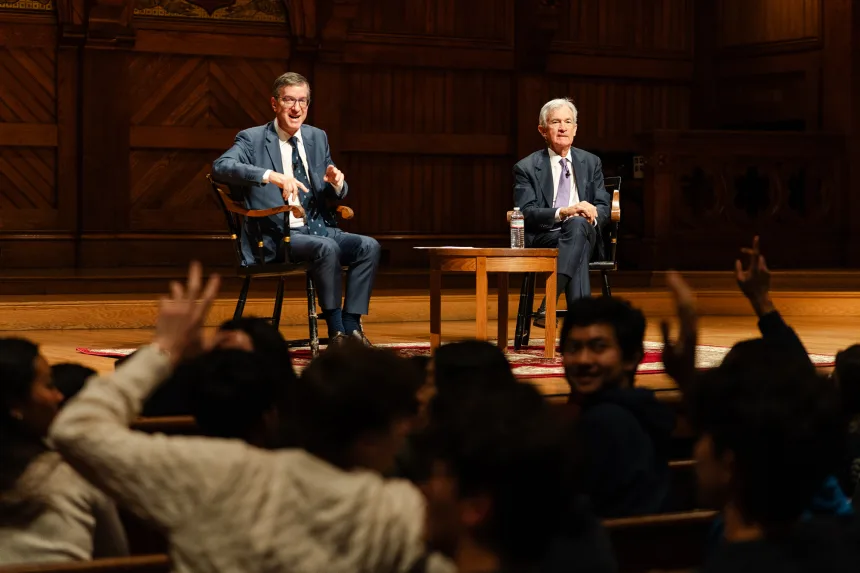
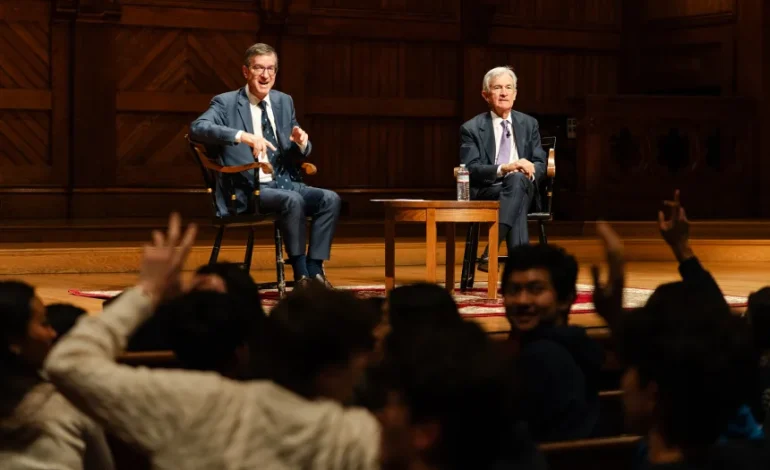
Jerome Powell is stepping down as Federal Reserve chair next month – but don’t expect him to disappear. He made it clear this week he plans to stick around as a governor for “a period of time,” stretching his influence well beyond his May 15 exit from the top job.
That matters. His term as a Fed governor runs all the way to early 2028, and by staying put, Powell shuts the door – at least for now – on Donald Trump getting an immediate opening to reshape the central bank’s leadership.
Powell didn’t dress it up. He pointed straight at what he sees as growing political pressure on the Fed. Legal challenges, he said, risk undermining the institution’s ability to set policy without interference. That independence, he argued, is the whole point.
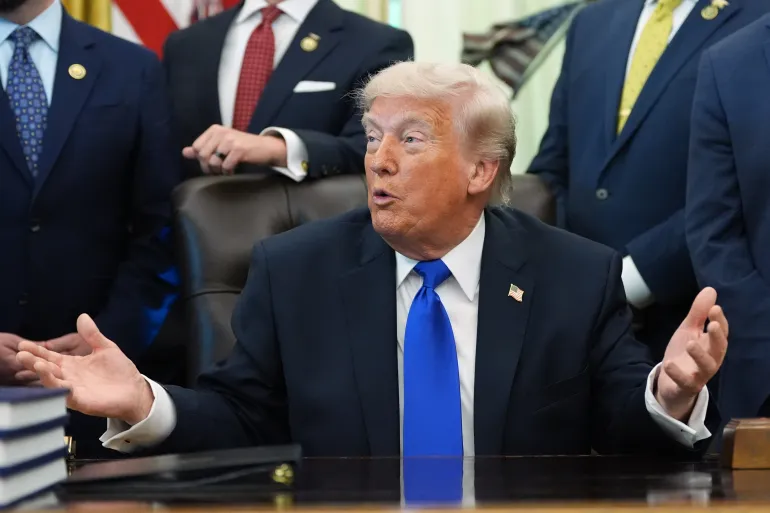
He’s not wrong about the tension. Trump fired back within hours, taking a swipe at Powell’s decision to remain, while Treasury Secretary Scott Bessent called the move a break from tradition.
Historically, Fed chairs don’t hang around once their term ends. Powell knows that. The last time anything similar happened, Harry Truman was in the White House. Still, he insists he’ll keep a low profile once Kevin Warsh takes over as chair. No shadow leadership, no running commentary – just another governor on the board.
Behind the scenes, there’s more going on. Powell has been dealing with a Justice Department probe tied to the Fed’s multibillion-dollar headquarters renovation. While parts of that investigation have been shut down, he’s made it clear he wants the matter fully resolved before even thinking about stepping away.
The bigger picture is hard to miss. Powell’s tenure has been anything but quiet – pandemic-era emergency cuts, a bruising inflation fight, and years of political pressure from both sides. Staying on now fits the pattern. He’s been unusually protective of the Fed’s independence, even when it put him in direct conflict with the White House.
And that fight isn’t over. Powell says he’s confident the Fed can still make decisions based on data, not politics – but adds that it’s something the institution has had to “fight for.”
For now, he’s staying in the room. Quietly, maybe – but still very much in the game.


The latest news in your social feeds
Subscribe to our social media platforms to stay tuned