



UAE reopens skies as regional aviation begins to stabilise
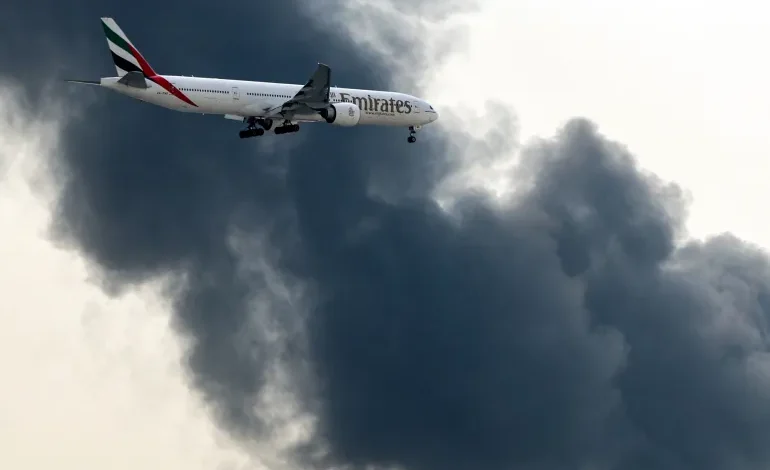

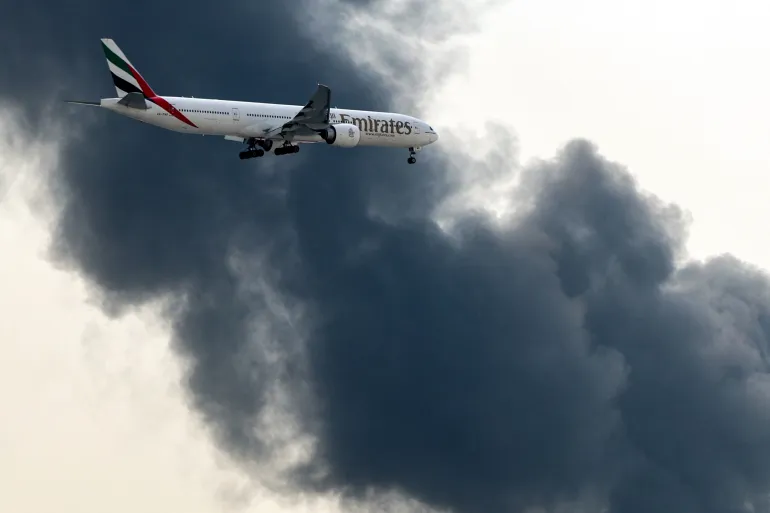
The United Arab Emirates has lifted all flight restrictions imposed during the US-Israel war on Iran, signalling a cautious return to normal operations in one of the world’s busiest aviation hubs.
“All air operations have returned to ‘normal status’ in UAE airspace,” the General Civil Aviation Authority said, adding: “Our decision came following a comprehensive assessment of operational and security conditions, in coordination with the relevant authorities”.
The move closes a chapter that began in late February, when escalating strikes between Iran and its regional rivals forced multiple Gulf states to shut or limit their airspace. For the UAE — home to Dubai International Airport, the world’s busiest for international passengers — the disruption cut deep into a system built on uninterrupted global connectivity.
At the peak of the crisis, at least eight countries across the region imposed full or partial closures, while major carriers including Emirates, flydubai and Etihad halted or scaled back operations. More than 11,000 flights were cancelled in the opening days alone, according to aviation data firm Cirium.
The reopening reflects how closely aviation has tracked the conflict’s trajectory. A Pakistan-brokered ceasefire last month eased immediate security concerns, allowing a phased recovery that is now culminating in a full return to operations.
Even so, the numbers show how uneven that recovery has been. During a partial reopening in early March, UAE airports handled 1.4 million passengers, with traffic running at just 44.6 percent of normal levels. The gap highlights how quickly regional air travel can contract — and how slowly confidence rebuilds.
The wider impact has gone beyond the Gulf. With key air corridors disrupted, long-haul routes between Europe and Asia were forced to reroute or reduce frequency, tightening global aviation capacity and raising operational costs. For a region positioning itself as a post-oil logistics and travel hub, that kind of interruption cuts into a core economic strategy.
Saturday’s announcement suggests the system is stabilising, but not fully reset. Airlines are beginning to restore schedules, with Qatar Airways already outlining plans to resume flights to Iraq and expand its global network in the coming months. Still, the underlying vulnerability remains: Middle Eastern airspace sits at the intersection of major geopolitical fault lines, and disruptions can ripple quickly across global travel networks.


The latest news in your social feeds
Subscribe to our social media platforms to stay tuned