




Fortune, CNBC and Politico contributed to this report.
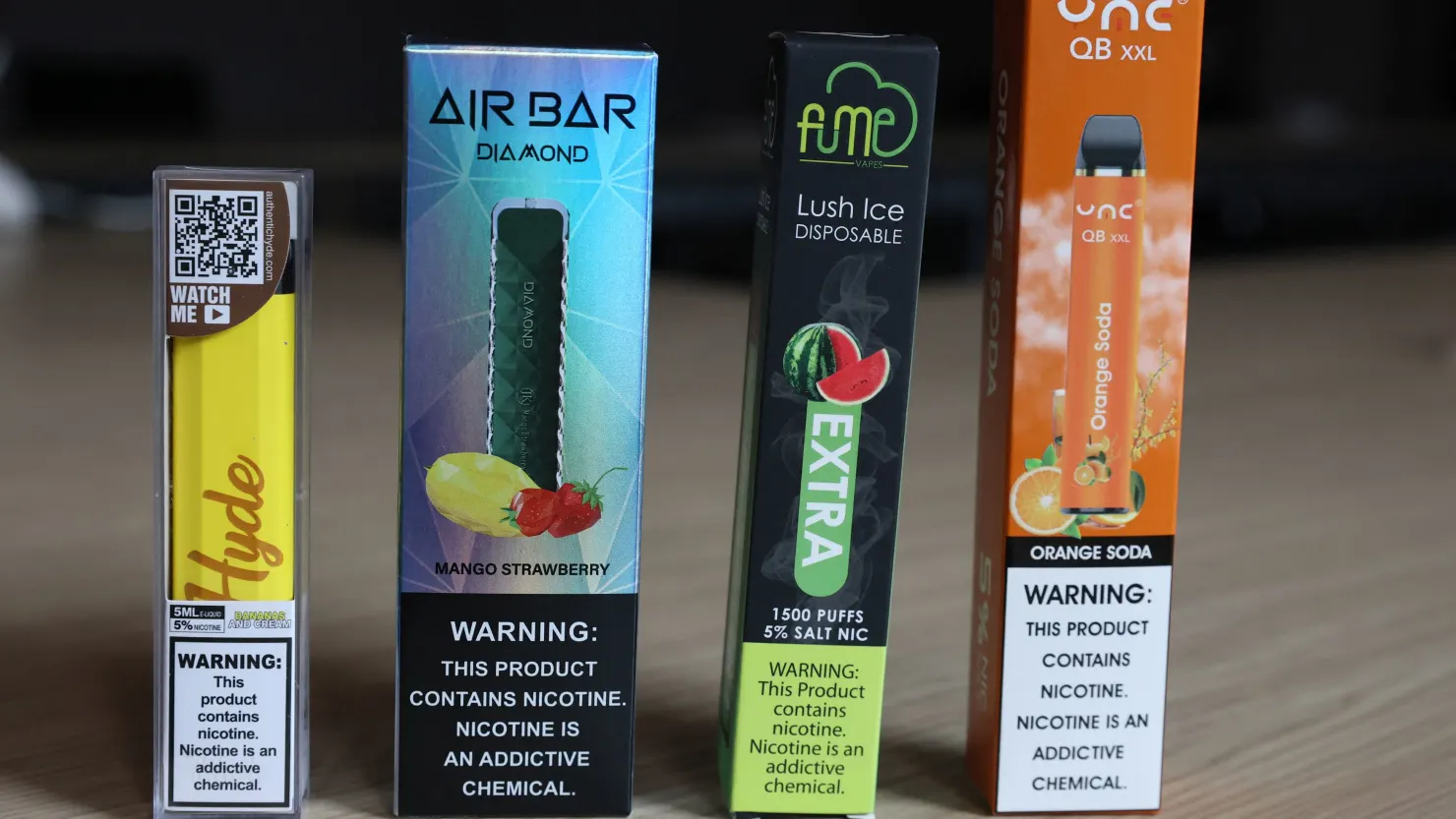
After spending years rejecting fruit-flavored vaping products, the FDA has suddenly opened the door to mango and blueberry e-cigarettes – a sharp reversal that reportedly followed pressure from President Donald Trump and lobbying from the vaping industry.
The agency on Tuesday authorized Los Angeles-based Glas Inc. to sell four flavored vape products, including mango and blueberry varieties, marking the first time the FDA has cleared fruit-flavored e-cigarettes for legal sale in the US.
The move lands like a political U-turn.
Under the Biden administration, the FDA rejected more than a million applications for fruit-, candy- and dessert-flavored vape products, arguing those flavors fueled a surge in teen vaping. Regulators spent years insisting tobacco and menthol were the only acceptable options because sweeter flavors carried too much appeal for kids.
Now the same agency is signing off on mango and blueberry.
The products will be sold under names like Gold and Sapphire, alongside two menthol versions. FDA officials stressed the authorization is meant for adult smokers trying to quit cigarettes, not teenagers looking for flavored nicotine hits.
Still, the decision is already drawing backlash from anti-tobacco groups and parent advocates who see flavors as the main reason vaping exploded among middle and high school students in the first place.
“This will be a key test case,” said Kathy Crosby of the Truth Initiative, an anti-smoking nonprofit, warning that regulators will need to closely watch whether the products attract younger users despite restrictions.
The FDA argues Glas built enough safeguards into the devices to reduce that risk. Buyers have to verify their age using a government-issued ID on a smartphone, and the vape only works when paired through Bluetooth with that verified phone.
Whether that actually keeps products away from teens is another question entirely.
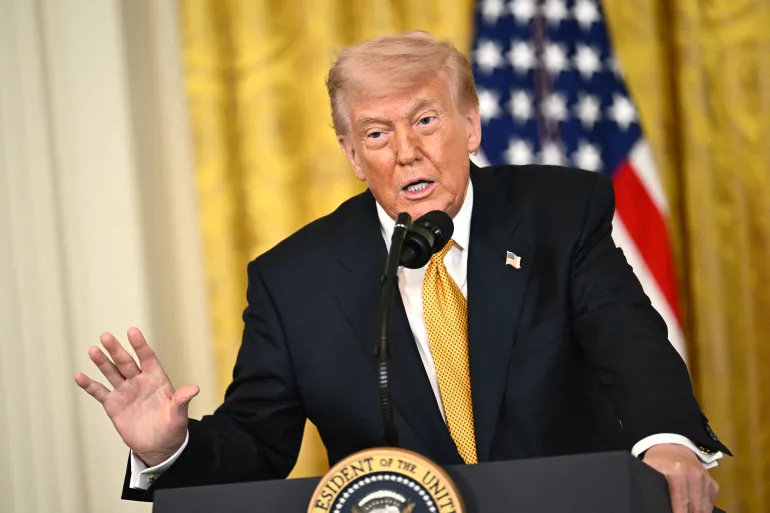
The timing of the decision is politically notable too. During the campaign, Trump promised supporters he would “save vaping,” earning backing from vape shop owners, e-cigarette companies and nicotine users frustrated by years of restrictions.
According to reports, Trump recently pushed FDA Commissioner Marty Makary to reconsider the agency’s hard line on flavors. That pressure appears to have worked.
The shift comes as teen vaping rates have fallen to their lowest level in a decade, giving vaping companies fresh ammunition in their long-running argument that adults who smoke traditional cigarettes should have more flavored alternatives available.
The industry has spent years arguing e-cigarettes can reduce the harm caused by combustible tobacco, which still kills roughly 480,000 Americans annually through cancer, heart disease and lung illness.
That argument never fully outweighed concerns about youth vaping during the Biden years. After the teen vaping spike of 2019, federal regulators cracked down aggressively, especially on flavored products imported from China and sold in disposable devices.
Ironically, many of those unauthorized fruit-flavored vapes never disappeared from store shelves anyway.
Government data still shows most teenagers who vape use illegal fruit- and candy-flavored products that remain widely available despite federal enforcement efforts. That reality weakened the FDA’s case that bans alone could control the market.
Inside the administration, vaping hasn’t exactly been the FDA’s biggest priority lately either. Makary has spent much of his early tenure focused on issues like vaccine policy, artificial food dyes and faster drug approvals, while tobacco regulation drifted into the background.
At the same time, vaping groups ramped up pressure behind the scenes.
Organizations like the Vapor Technology Association have met repeatedly with administration officials in recent months, pushing for looser rules around flavored products. In March, the FDA quietly released new guidance suggesting some flavors beyond tobacco – including mint, coffee and spice – could potentially help adult smokers transition away from cigarettes.
Fruit flavors were still treated cautiously in that guidance. Now they’re officially entering the market anyway.
The broader political shift reflects how much the vaping debate has changed over the last few years. The panic over teen vaping hasn’t disappeared, but the numbers are moving in the opposite direction now. Meanwhile, adult nicotine users remain a large and vocal voting bloc, particularly among conservatives skeptical of federal health crackdowns.
For Trump, easing restrictions on flavored vapes fits neatly into that message.
For health groups, it looks like the beginning of another fight they thought had already been settled.



The latest news in your social feeds
Subscribe to our social media platforms to stay tuned