
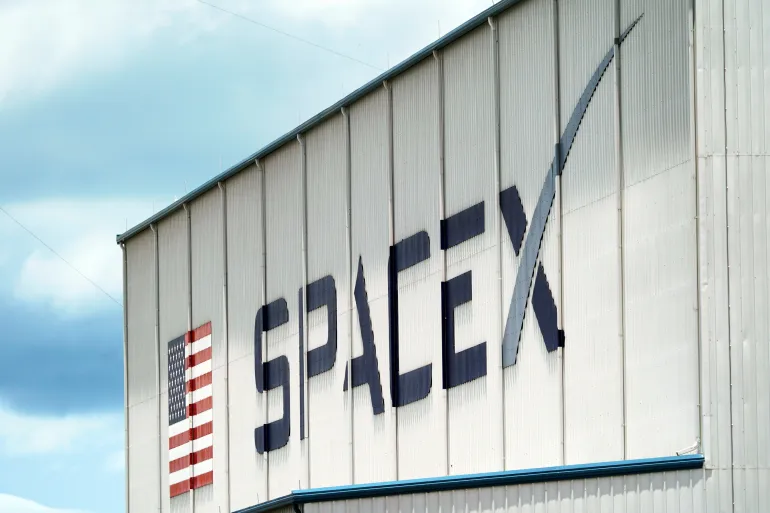



Anthropic has struck a deal to use computing power from SpaceX, marking an unexpected alignment between Elon Musk and a company he has previously criticised, and underscoring how aggressively AI firms are scaling infrastructure.
Under the agreement announced Wednesday, Anthropic will plug into SpaceX’s Colossus 1 facility in Memphis, Tennessee — a massive data centre housing more than 220,000 Nvidia processors. The setup is expected to deliver 300 megawatts of additional capacity within a month, roughly equivalent to the power consumption of more than 300,000 homes, as Anthropic ramps up performance for its Claude Pro and Claude Max systems.
The timing is deliberate. The deal coincides with Anthropic’s developer event, where it introduced a new feature for its Claude platform called “dreaming” — a system designed to let AI models review work between sessions, detect patterns and update stored context such as user preferences. The feature is being released as a research preview, alongside tools for managing autonomous agents that can carry out tasks with limited human input.
With more compute coming online, Anthropic is also loosening constraints on usage. The company said it is doubling rate limits for Claude Code, removing peak-hour caps for paid users and increasing the number of requests developers can send to its more advanced Claude Opus models.
Chief executive Dario Amodei has been outspoken about the stakes, warning previously that AI could eliminate up to 50 percent of entry-level jobs within the next one to five years — a timeline that adds urgency to efforts to expand capacity and capability.
The partnership also hints at longer-term ambitions. Anthropic said it is exploring work with SpaceX on space-based data centres, a concept tied to Musk’s broader vision of orbital infrastructure but one that remains technically complex and capital-intensive.
In a post on X, Elon Musk said the decision to lease computing power followed meetings with Anthropic leadership, adding that their focus on making Claude “good for humanity” influenced the move.
“No one set off my evil detector,” Musk wrote.
The agreement lands amid Musk’s ongoing legal battle with OpenAI and its chief executive Sam Altman, whom he accuses of straying from the organisation’s original mission. Musk has argued that OpenAI’s direction conflicts with its founding goal of building AI for the broader public good, a dispute that has spilled into court filings and public statements.



The latest news in your social feeds
Subscribe to our social media platforms to stay tuned