



The New York Times, AP, and CBS News contributed to this report.
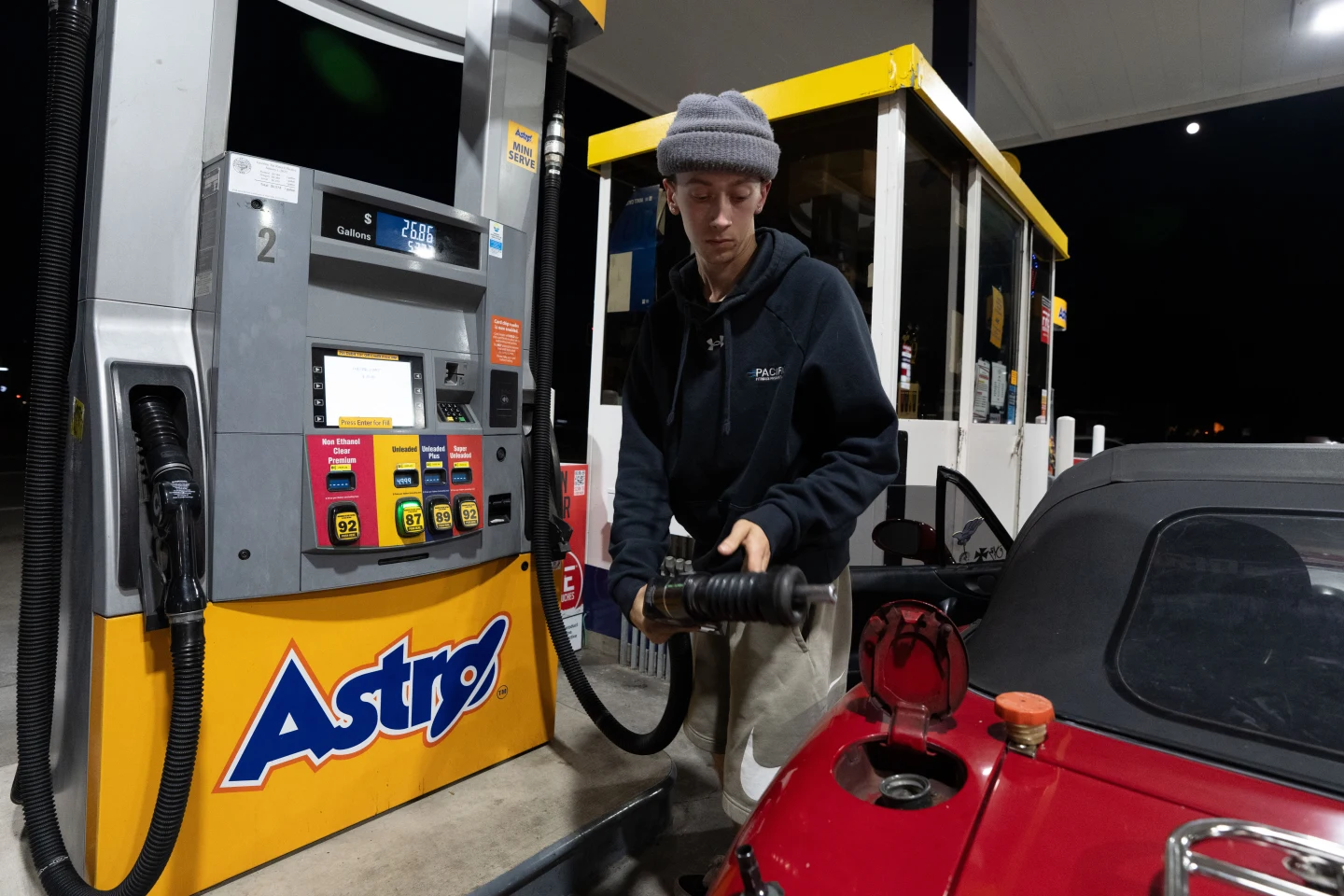
Gas prices in the US are climbing again – fast. The national average just hit $4.54 a gallon, up 31 cents in a week and more than 50% higher than before the Iran war kicked off. Same country, same fuel… wildly different prices depending on where you fill up.
There’s no single culprit. It’s a messy mix of oil markets, taxes, logistics and local quirks – all hitting drivers at once.
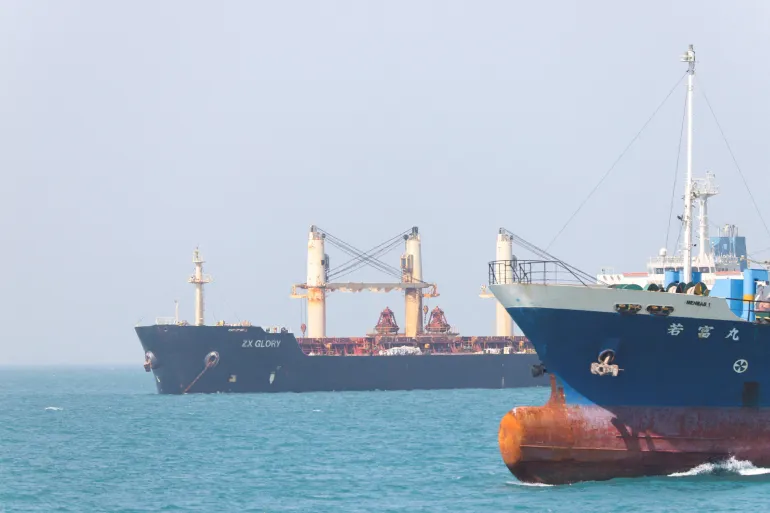
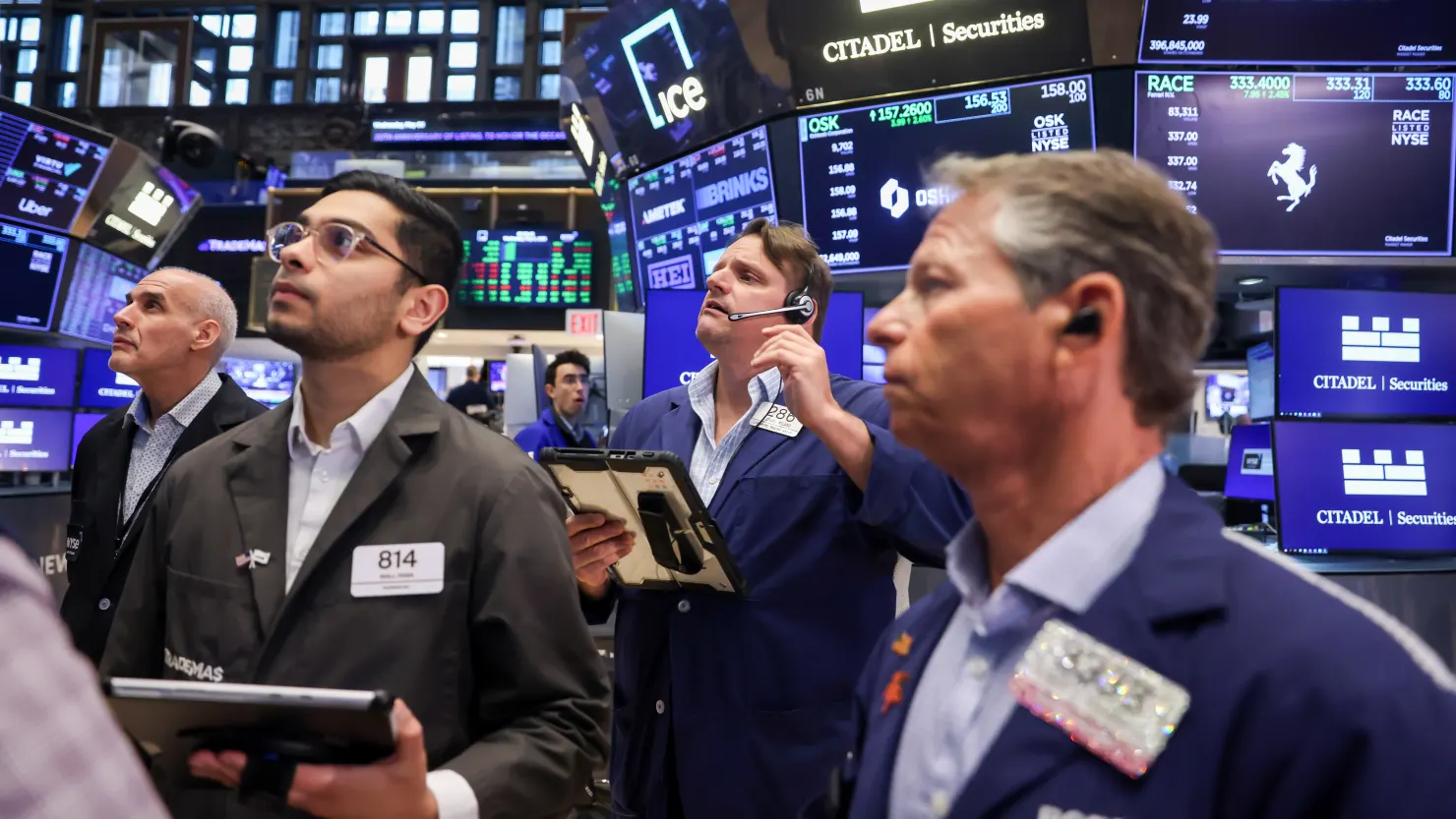
Start with the obvious: crude oil. It’s the biggest piece of the puzzle, making up roughly half the price of a gallon. When oil spikes, gas usually follows. And oil has been on a rollercoaster ever since tankers started backing up near the Strait of Hormuz, where about 20% of the world’s supply normally flows. Less supply, higher prices. Pretty straightforward.
But that only explains part of the story.
Zoom in, and things get more uneven. Taxes alone can create big gaps. Federal and state taxes together account for around 17% of what you pay, but that number swings sharply depending on location. California drivers, for example, face higher fuel taxes and stricter environmental rules, which push prices well above the national average. Cross a state line, and you might see a noticeable drop – or spike.
Then there’s refining. Not all gasoline is created equal. Some states require cleaner-burning blends to meet environmental standards, and those fuels cost more to produce. If a region doesn’t have enough refining capacity nearby, prices climb further as fuel has to be shipped in.
That brings up another factor: distance. Getting gasoline from refinery to pump isn’t free. Transportation and distribution add another chunk – about 17% – and areas far from major pipelines or ports tend to pay more. Think rural regions or places that rely heavily on trucking rather than pipelines.
Local competition matters, too. A busy urban area with multiple stations fighting for customers might keep prices tighter. A small town with limited options? Not so much. Gas station owners ultimately set the price you see, and they’re reacting to everything from wholesale costs to what the station across the street is charging.
Right now, all those factors are being amplified by geopolitics. The war with Iran has squeezed global supply, and even brief moments of optimism – like ceasefire talks – haven’t been enough to bring lasting relief. Prices dipped for a couple of weeks in April, then shot right back up as tensions dragged on.
And even if a deal lands soon, don’t expect a quick reset.
Fuel markets don’t snap back overnight. There’s still risk baked into shipping routes, insurance costs and supply chains. Traders call it a “risk premium,” and it tends to linger long after the headlines fade.
So while drivers might hope for a return to pre-war prices, the reality is slower and stickier. Oil could ease. Gas might follow. But the gap between cities, counties and states? That’s sticking around.



The latest news in your social feeds
Subscribe to our social media platforms to stay tuned