


US Taps Emergency Oil Reserve as Iran War Drives Prices Higher

The United States is releasing another large tranche of emergency crude from its strategic stockpile as the conflict with Iran continues to tighten global energy supplies and push fuel prices upward.
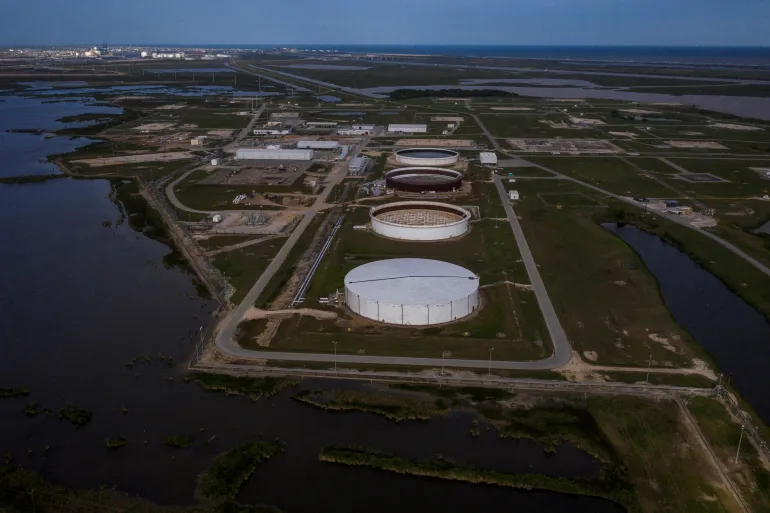
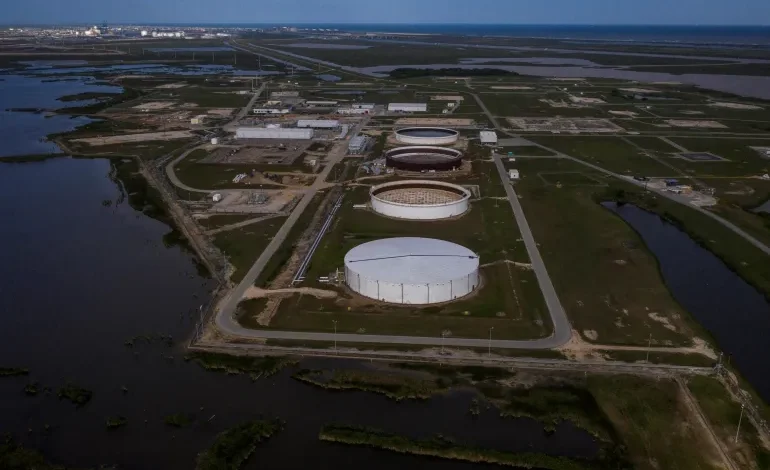
The US Department of Energy said it has begun transferring 53.3 million barrels from the Strategic Petroleum Reserve under an emergency exchange programme coordinated with the International Energy Agency.
Unlike a direct sale, the exchange programme works as a short-term loan: companies receive oil now and are required to return equivalent barrels later. The aim is to ease immediate supply pressures without permanently reducing the reserve.
“These actions continue to move oil swiftly into the market, address near-term supply needs, and ensure that the Strategic Petroleum Reserve remains strong through the return of premium barrels,” said Kyle Haustveit, head of the department’s Hydrocarbons and Geothermal Energy Office.
The largest allocation went to Trafigura, which was awarded nearly 13 million barrels. Marathon Petroleum and ExxonMobil are set to receive 12.4 million and 11.4 million barrels, respectively. Several other trading and energy firms, including BP, Mercuria and Phillips 66, will receive smaller volumes.
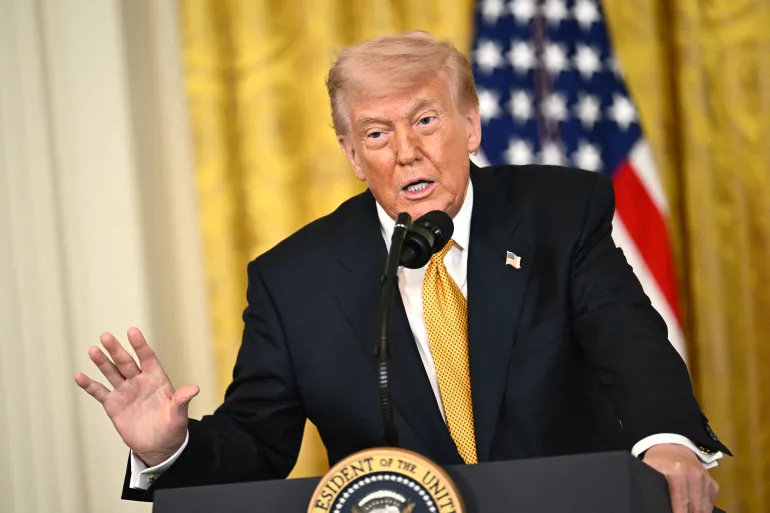
This latest release builds on a much larger decision made in March, when the administration of Donald Trump agreed to release 172 million barrels as part of what the IEA described as the largest coordinated drawdown of emergency stockpiles on record.
The timing reflects mounting pressure in oil markets. Since the US and Israel launched their war on Iran in late February, Tehran’s blockade of the Strait of Hormuz has disrupted a waterway that normally carries about one-fifth of the world’s oil trade.
With shipping through the strait largely paralysed, crude prices have surged. Brent Crude rose about 1 percent in Asian trading on Tuesday, climbing above $105 a barrel.
Prices were pushed higher again after Trump rejected Iran’s latest peace proposal and warned that the ceasefire was “on life support”, reducing hopes for a quick diplomatic breakthrough.
The political impact is increasingly visible at home. As petrol costs rise, Trump has pledged to waive the federal gasoline tax of 18.4 cents per gallon, though such a move would require congressional approval.


The latest news in your social feeds
Subscribe to our social media platforms to stay tuned