


CNBC, Bloomberg, Business Insider, and Politico contributed to this report.
The first tariff refunds are finally starting to land in company accounts after the Supreme Court knocked down parts of President Donald Trump’s tariff regime – and the money is already setting off a new round of legal and political drama.
Companies including Oshkosh Corporation and Basic Fun said they’ve begun receiving payments this week through the federal refund process. Oshkosh said it has gotten an initial round of money but still does not know the full amount. Basic Fun, the maker of Care Bears and Tonka trucks, said the refunds so far cover only a small slice of its total claim.
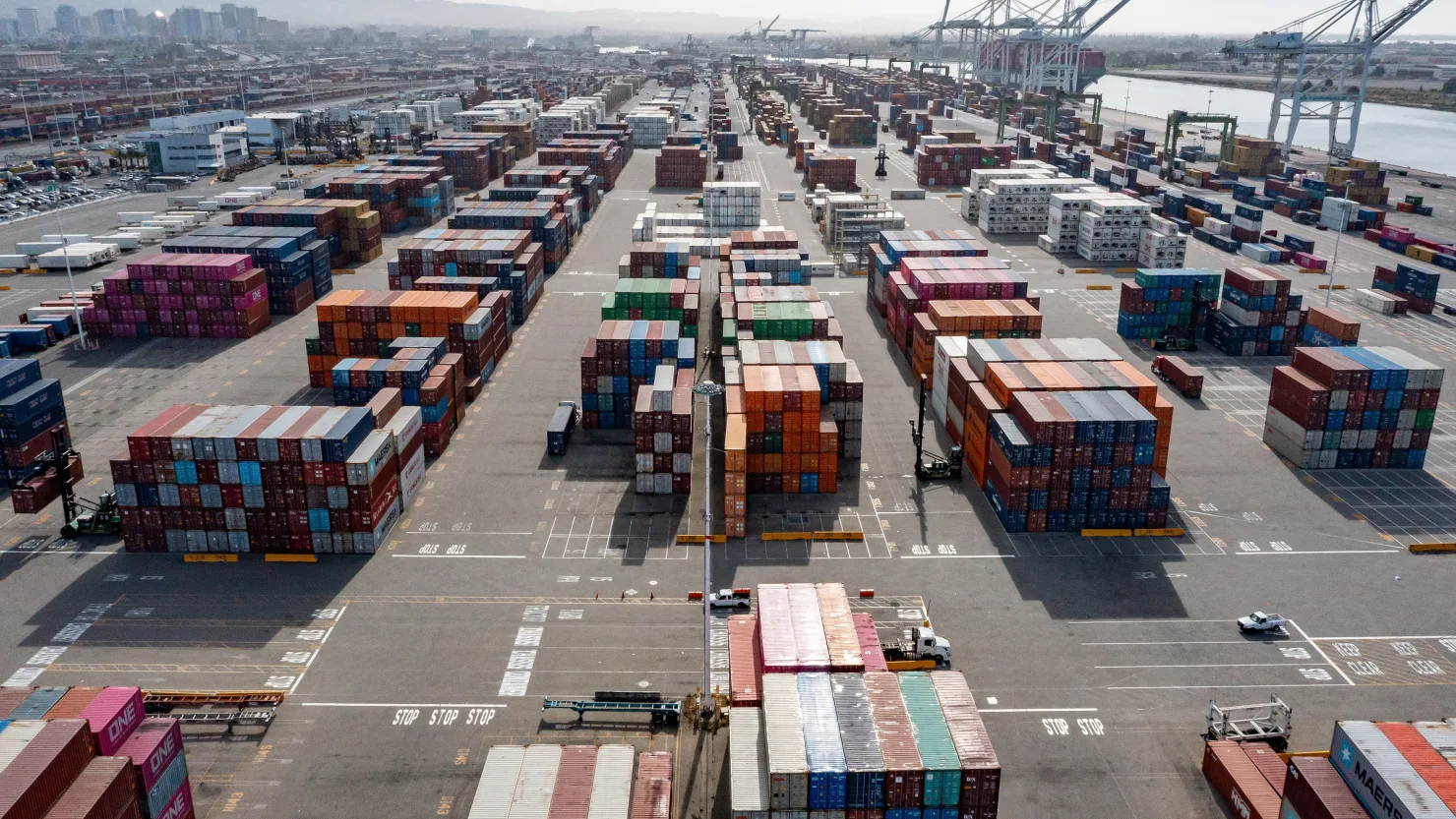
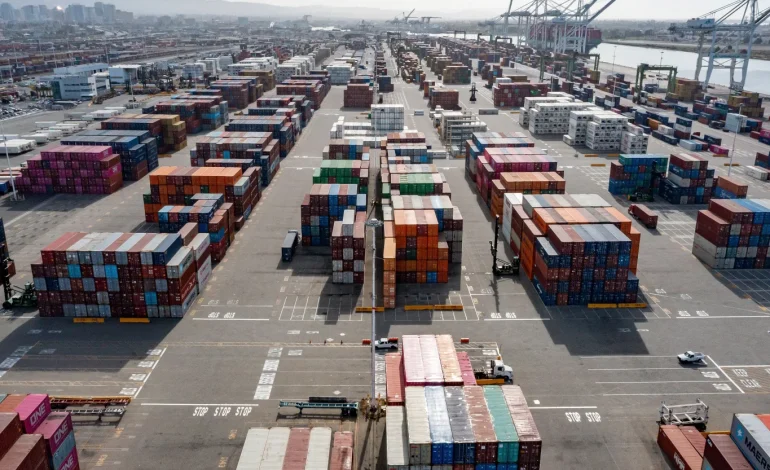
The federal government is moving quickly, at least by Washington standards. US Customs and Border Protection has said it expects to refund tens of billions of dollars tied to millions of shipments. But the process is far from finished, and for many companies, this is just the first drip of cash, not the full payout.
Trump, unsurprisingly, is not thrilled.
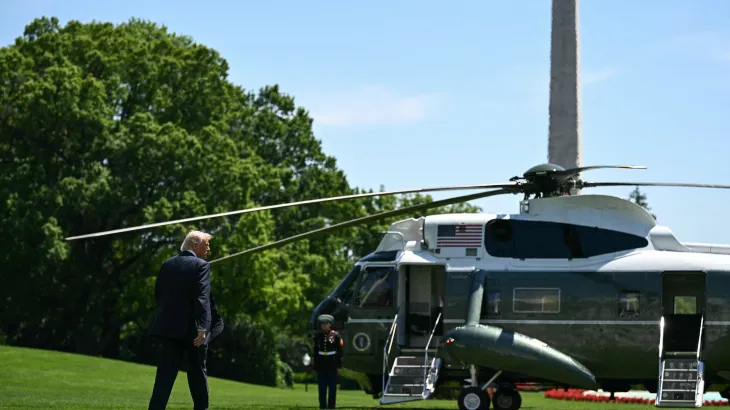
Speaking Tuesday, he called the refunds “crazy” and said he would “fight” having to pay the money back. That’s awkward timing for companies that are trying to quietly recover what they say they’re owed without turning themselves into the next White House target.
Some firms are staying under the radar. Others are already getting dragged into court.
Customers of companies from Nike to Costco and parcel giants FedEx and UPS have sued, arguing they paid for tariff costs indirectly through higher prices or extra fees and should get a cut of any refunds. In some cases, those brokerage fees were nearly as large as the tariffs themselves.
That puts businesses in a strange spot. Take the money, and risk a wave of consumer lawsuits. Skip the money, and leave a lot on the table.
Nike is the latest example. Consumers filed suit in Oregon, saying the company raised prices to offset tariffs and could end up collecting twice: once from shoppers and again from the government. Nike hasn’t commented publicly on the case.
Costco is facing a similar fight. Its CEO has said any refunded money would likely show up as lower prices or better value for members, but that has not stopped a customer lawsuit from moving forward.
FedEx and UPS are also in the mix. Both have said they’ll pass tariff refunds back to customers if the government pays out, but that hasn’t stopped legal challenges over the original charges and the fees they layered on top.
A lot of companies are trying to thread the needle here. More than 26,000 have signed up for the government’s refund portal, even as many avoid filing eye-catching lawsuits that could annoy Trump or make them a target in the court of public opinion.
That caution says a lot about the climate. Trump is still furious about the Supreme Court ruling that undercut his tariffs, and companies know he’s the kind of president who remembers who crossed him. Some are filing quietly. Some are hiding refund totals deep in SEC filings. A few are suing anyway, just to make sure their rights are preserved.
For now, the money is starting to move. The bigger fight is over who gets it, who has to give it back, and who gets blamed when the checks start clearing.

The latest news in your social feeds
Subscribe to our social media platforms to stay tuned