

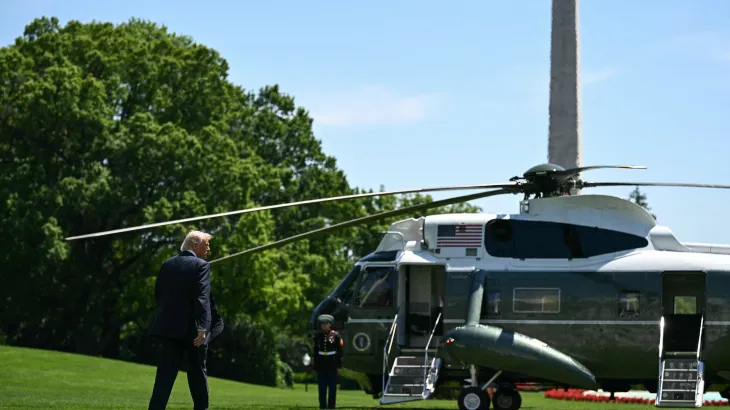



As Donald Trump heads to Beijing for a high-stakes meeting with Xi Jinping, he is sending mixed signals about one of the most urgent issues hanging over the trip: the war with Iran.
Speaking to reporters before boarding Air Force One on Tuesday, Trump dismissed the idea that Washington needs Beijing’s help to bring the conflict to an end.
“I don’t think we need any help with Iran,” he said, adding that the United States would win the war “one way or the other”.
The remarks were striking because senior members of Trump’s administration have spent recent days urging China to use its influence with Tehran. China remains Iran’s largest oil customer and one of the few major powers with steady access to the Iranian leadership.
Trump, however, appeared to oscillate between emphasizing Iran and downplaying it.
“We’re going to have a long talk about it. I think he’s been relatively good, to be honest with you,” Trump said, referring to Xi.
Minutes later, he shifted course.
“We have a lot of things to discuss. I wouldn’t say Iran is one of them, to be honest with you, because we have Iran very much under control.”
That contradiction captures the balancing act facing the White House. Publicly, Trump wants to project confidence and independence. Privately, his administration has been working to build international pressure on Tehran, particularly over the continued closure of the Strait of Hormuz.
The waterway, which normally carries roughly one-fifth of global oil supplies, has become the economic center of the conflict. Its disruption has sent energy prices sharply higher, fueling inflation and adding to political pressure on Trump at home.
The president made clear that his central objective remains unchanged.
“I don’t think about Americans’ financial situation. I don’t think about anybody,” he said. “I think about one thing: We cannot let Iran have a nuclear weapon. That’s all. That’s the only thing that motivates me.”
Still, economics are expected to dominate much of the visit.
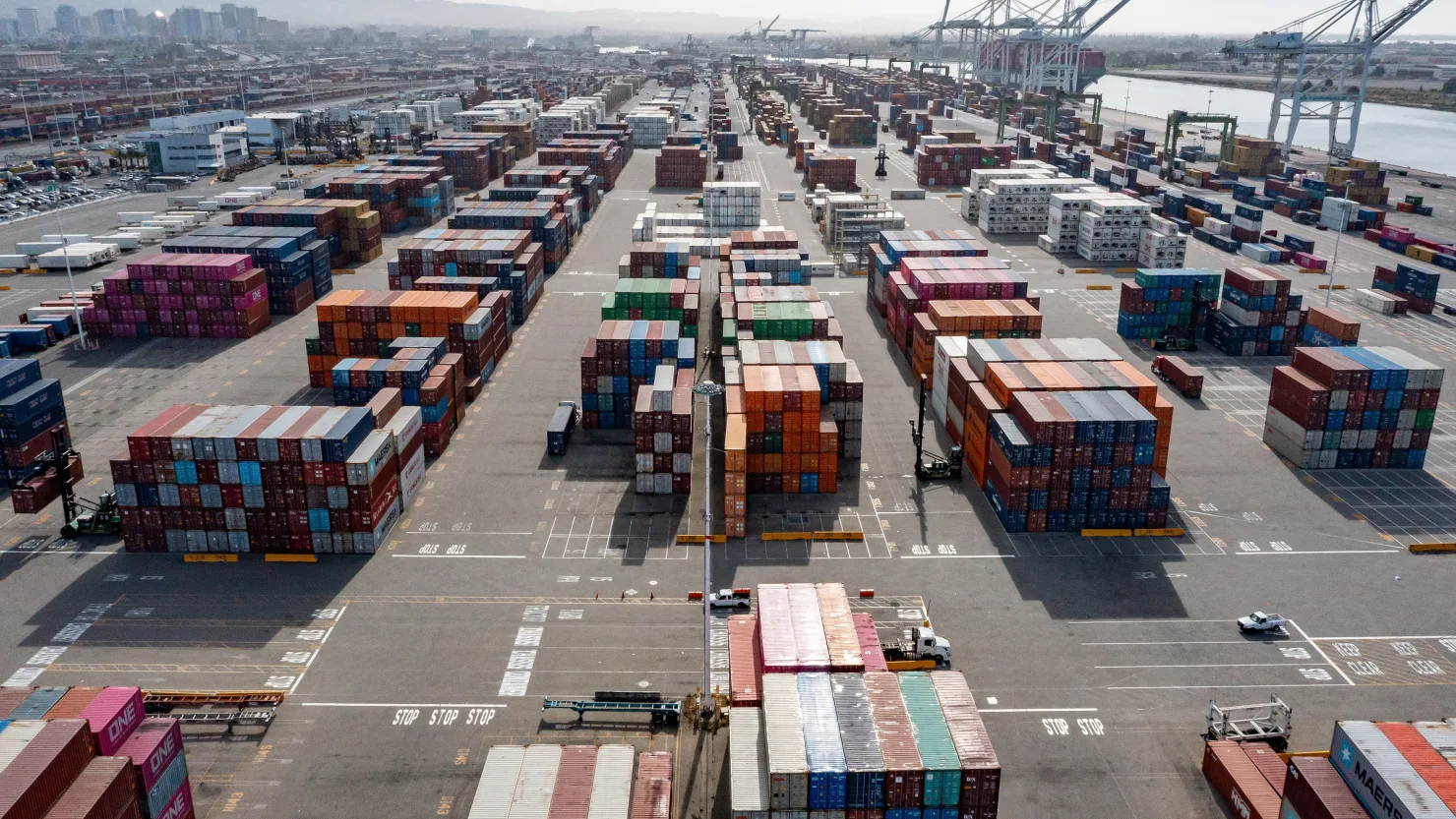
Trump has said he wants China to buy more American agricultural products and aircraft, and described trade as the main focus of his talks with Xi. The administration also hopes to establish a new “Board of Trade” to manage disputes and reduce the risk of another tariff escalation.
The summit comes after a year-long truce in the US-China trade war, reached when the two leaders met in Busan in October 2025. Since then, tensions have persisted over export controls, rare earth minerals and Taiwan.
Taiwan remains another sensitive issue on the agenda. Trump said earlier this week that he plans to discuss an $11bn US weapons package for the island, which China considers part of its territory.
Against that backdrop, Iran adds another layer of strategic complexity.
Senior US officials, including Marco Rubio and Scott Bessent, have openly called on Beijing to pressure Tehran to reopen the Strait of Hormuz. At the same time, Washington has imposed sanctions on Chinese companies accused of trading with Iran, while Beijing has instructed its firms not to comply.
That leaves both countries in a familiar position: economically intertwined, strategically distrustful, and forced to cooperate on issues they would rather control alone.
Trump is already framing the trip as a diplomatic success.
“We’re going to have a great relationship for many, many decades to come,” he said.

The latest news in your social feeds
Subscribe to our social media platforms to stay tuned