

Huckabee Confirms Israel Sent Iron Dome to the UAE
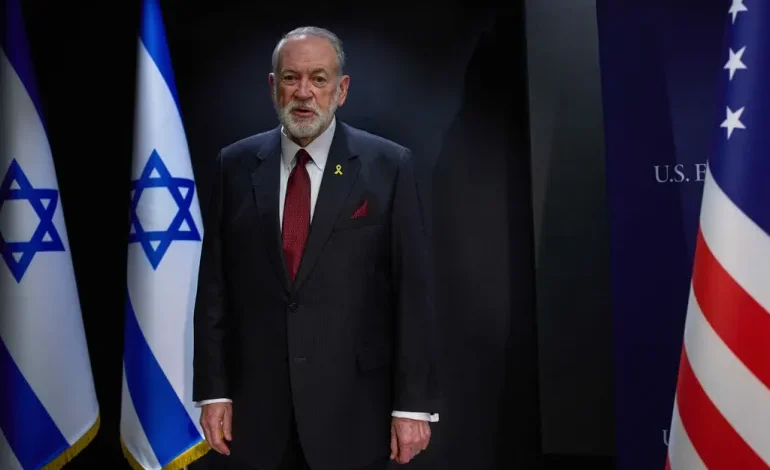

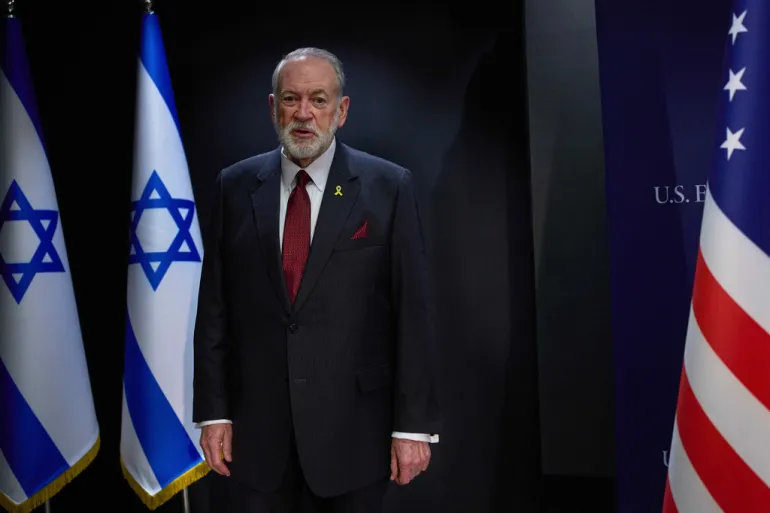
Mike Huckabee has publicly confirmed that Israel deployed Iron Dome batteries and operating personnel to the United Arab Emirates, offering the first official acknowledgment that the system is being used outside Israel.
Speaking at an event in Tel Aviv on Tuesday, Huckabee cited the deployment as evidence of how far relations between Israel and the UAE have evolved since the signing of the Abraham Accords.
“They were the first Abraham Accord member,” he said.
“But look at the benefits that they have had as a result: Israel just sent them Iron Dome batteries and personnel to help operate them. How come? Because there’s an extraordinary relationship between the UAE and Israel.”
The remark confirms weeks of media reports suggesting that Israeli missile-defense systems had been moved to the Gulf as Iranian missile and drone attacks intensified.
It is a significant milestone for several reasons.
First, this is the first known deployment of Iron Dome beyond Israel’s borders. The system, heavily financed by the United States, has long been one of Israel’s most closely guarded strategic assets.
Second, the move highlights the degree to which military cooperation between Israel and the UAE has deepened in a relatively short time.
And third, it underscores how the war with Iran is accelerating new regional security arrangements that would have been difficult to imagine only a few years ago.
The contrast with Ukraine is especially notable. Israel previously declined to provide Iron Dome systems to Kyiv despite repeated requests to help defend against Russian missile attacks.
The UAE, by contrast, has now received both the batteries and the Israeli personnel needed to operate them.
That decision reflects the strategic value Israel places on its partnership with Abu Dhabi.
The UAE and Bahrain remain the only Gulf states with formal diplomatic ties to Israel. Since normalization in 2020, the relationship has expanded rapidly across trade, intelligence sharing, and defense cooperation.
For Iran, those ties are increasingly seen as part of a broader regional alignment against Tehran.
Iran says its strikes target US military assets in the region. Gulf governments, however, accuse Tehran of hitting civilian infrastructure, including airports, hotels, and energy facilities.
Huckabee used his speech to push Gulf countries to make a clear strategic choice.
“Israel is not your natural enemy. Israel is not out to destroy you. Israel is not trying to take over your land,” he said. “It’s not sending missiles into your civilian territories. Who’s doing that? Iran is.”
He went further, framing the conflict in stark geopolitical terms.
“Which side you’re going to pick – the US and Israel represents one side, the Iranian and their radical Shia fanaticism represents another side. Which side do you want to be on?”
The message was blunt, but it reflected a broader reality: the regional order is shifting from quiet diplomacy to overt military coordination.


The latest news in your social feeds
Subscribe to our social media platforms to stay tuned