





Bloomberg and Reuters contributed to this report.
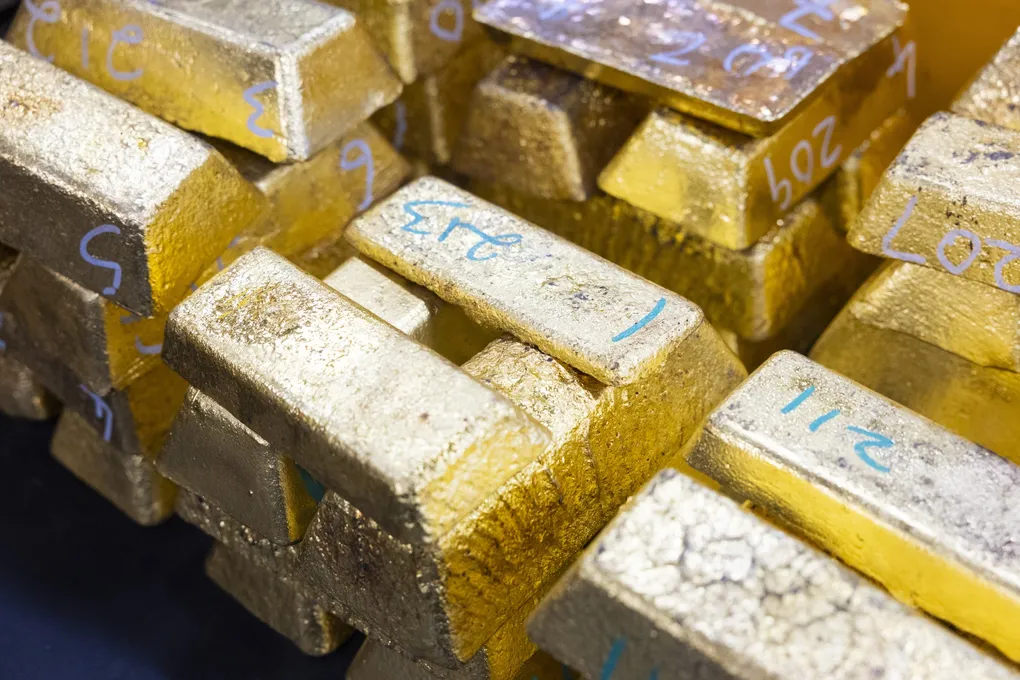
Gold managed to steady itself on Monday after last week’s sharp fall, but the metal is still stuck under pressure as the fight over the Strait of Hormuz drags on and inflation worries keep spreading through markets.
Bullion was hovering around $4,540 an ounce after sliding nearly 4% last week. The problem is straightforward: the US and Iran are still nowhere near a deal to end the war and reopen Hormuz, one of the world’s most important energy routes. That keeps oil prices elevated, bond yields climbing, and the case for gold a little less comfortable for now.
Gold did bounce slightly from an earlier dip to its lowest level since March 30, with spot prices up 0.2% at $4,546.04 an ounce. US June gold futures slipped 0.3% to $4,549.70. The move was modest, though, and the rally had a ceiling on it almost immediately.
Higher yields are doing the damage. Treasury bonds from Tokyo to New York sold off again, with the US 10-year yield touching its highest level since February 2025. Markets are starting to price in the possibility that interest rates stay higher for longer, and some traders now even see a meaningful chance of another US rate hike before year-end.
That is bad news for gold. Unlike bonds or cash, it pays no interest, so when yields rise, the metal tends to look less attractive.
Oil is making the picture worse. Brent crude climbed back above $110 a barrel after President Donald Trump renewed threats against Iran, keeping pressure on an already fragile cease-fire process. The Strait of Hormuz remains largely shut, and every day that passes without a fix keeps global inflation fears simmering.
Some traders are already adjusting their expectations. JPMorgan recently cut its 2026 average gold forecast, saying softer investor demand was forcing a rethink. Even so, analysts say gold still has support underneath it, especially if the geopolitical mess drags on.
Other precious metals were quieter. Silver edged up 0.1%, platinum was flat, and palladium rose 0.3%.
The bigger story is that gold is caught in a tug of war. Geopolitical risk should help it. Rising rates hurt it. For now, the rate side is winning.


The latest news in your social feeds
Subscribe to our social media platforms to stay tuned