
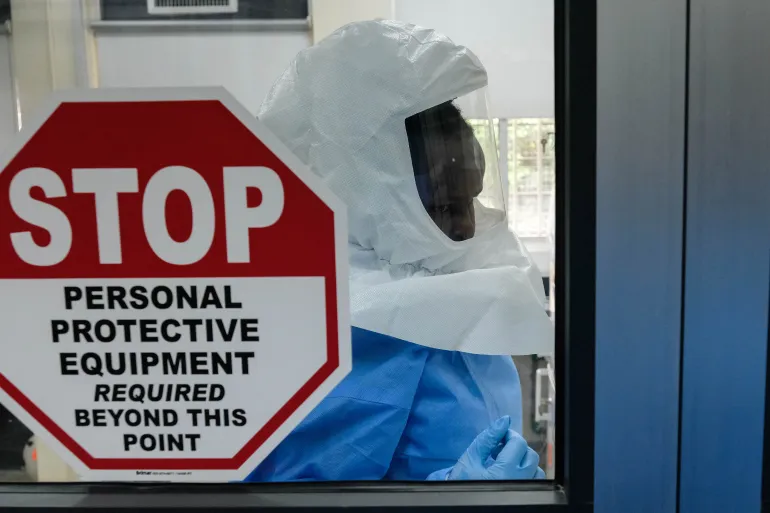




Governments around the world are beginning to impose travel restrictions, border controls and health screenings as a rare strain of Ebola continues spreading through parts of Central Africa, raising fears that health authorities are struggling to contain the outbreak quickly enough.
The current outbreak involves the Bundibugyo strain of Ebola, a rare and highly dangerous version of the virus for which no approved vaccine or treatment currently exists.
According to the World Health Organization, the Democratic Republic of the Congo has recorded 220 suspected deaths and roughly 900 suspected cases since officially declaring the outbreak on May 15. Uganda has confirmed five cases and one death so far.
The WHO recently raised its national risk assessment for the outbreak inside the Democratic Republic of the Congo from high to very high, although it continues to classify the broader global risk as low.
Still, multiple governments are now acting as though wider international spread remains a serious possibility.
Inside the affected region, authorities in Congo have suspended all flights to and from Bunia, one of the hardest-hit areas in the country’s east. Uganda has halted direct flights to and from the DRC, suspended several cross-border transport routes and paused weekly markets in border districts for four weeks.
Essential freight and food shipments, however, are still being allowed to cross.
Further away from the outbreak zone, countries including Canada, the Bahamas, Jordan and Bahrain have imposed temporary entry restrictions targeting travellers connected to affected regions.
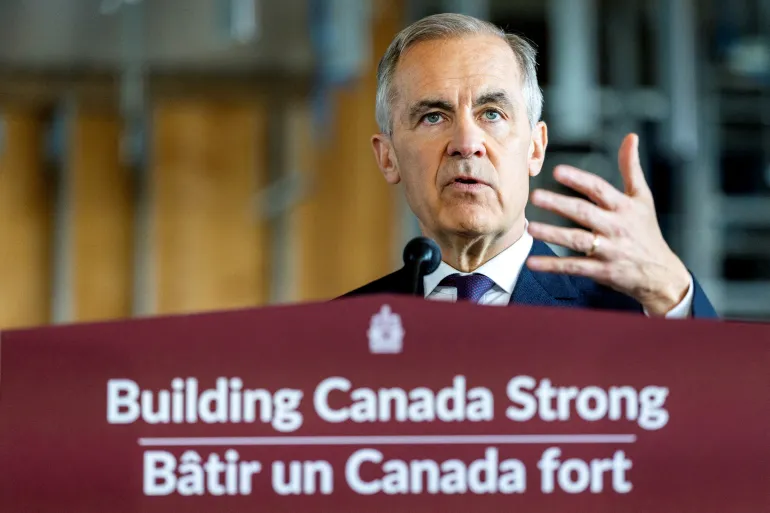
Canada announced a 90-day entry ban for residents of Congo, Uganda and South Sudan beginning Wednesday. Canadian citizens and permanent residents returning from affected areas must also quarantine for 21 days starting May 30, even if they show no symptoms.
The Bahamas imposed similar restrictions for an initial 30-day period pending further review.
The United States has adopted some of the strictest measures so far. Last week, Washington barred non-citizens who had recently travelled to Congo, Uganda or South Sudan from entering the country. The Centers for Disease Control and Prevention later expanded those rules to include green card holders.
US citizens returning from affected countries must now arrive through designated airports equipped for enhanced screening, including Washington Dulles, Atlanta and Houston.
The Wall Street Journal also reported that the Trump administration may establish a quarantine facility in Kenya for Americans exposed to the virus or considered high risk.
Meanwhile, India, Thailand and Mexico have increased airport screening and issued travel advisories.
India postponed a planned India-Africa summit and cancelled an international wildlife conservation gathering involving dozens of African nations. Thailand announced that travellers arriving from Congo and Uganda would only be permitted entry through Bangkok’s Suvarnabhumi Airport after undergoing testing.
Mexico has also increased Ebola screening procedures at airports nationwide.
The outbreak has become especially concerning because health officials believe early cases went undetected for too long.
WHO Director-General Tedros Adhanom Ghebreyesus warned this week that responders are now “playing catch-up”.
“We are urgently scaling up operations, but at the moment, the epidemic is outpacing us,” Tedros said.
“But we know this virus, and we know how to stop it. We have stopped every previous Ebola outbreak, and we will stop this one, too.”
The Bundibugyo strain spreads through direct contact with bodily fluids from infected people or contaminated objects. Severe bleeding, organ failure and death can follow rapidly once symptoms escalate.
Health authorities are currently relying on traditional containment measures including contact tracing, treatment centres, isolation procedures and movement restrictions.
At the same time, international aviation authorities are warning governments against repeating the sweeping border closures seen during the COVID-19 pandemic.
The International Civil Aviation Organization said international flights remain safe and urged countries to focus primarily on exit screening from affected regions rather than imposing broad travel shutdowns.
“Exit screening can be implemented in affected countries for all persons at international airports for unexplained illness associated with fever and consistent with other symptoms of potential BVD,” the ICAO said.


The latest news in your social feeds
Subscribe to our social media platforms to stay tuned