



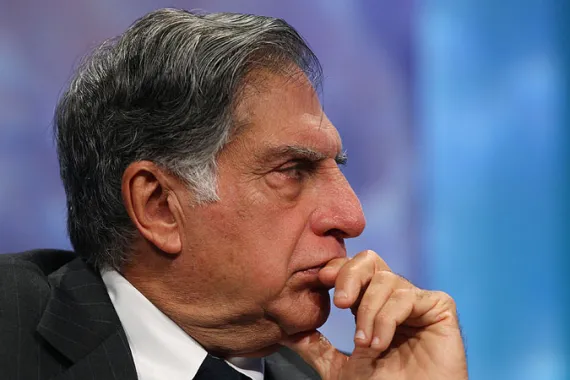

Ratan Tata, the former chairman of the Indian conglomerate Tata Sons, passed away aged 86 on Wednesday night at a Mumbai hospital, leaving behind a legacy of business acumen and philanthropy, Al Jazeera reports.
Tata Sons chairman N Chandrasekaran confirmed the news, describing Tata as a “friend, mentor, and guide” in a statement. The cause of death was not disclosed.
Tata was admitted to Breach Candy Hospital earlier this week, after issuing a statement on Monday assuring the public that his health was not a cause for concern and that he was undergoing routine checkups for age-related conditions.
Prime Minister Narendra Modi led the tributes, calling Tata a visionary leader and an extraordinary human being.
“He provided stable leadership to one of India’s oldest and most prestigious business houses. At the same time, his contribution went far beyond boardrooms,” Modi wrote on X.
Google CEO Sundar Pichai echoed the sentiment, praising Tata’s “extraordinary business and philanthropic legacy” and his role in shaping modern Indian business leadership.
Tata received India’s highest civilian awards: the Padma Bhushan in 2000 and the Padma Vibhushan in 2008.
The Tata Group, a sprawling collection of nearly 100 companies, stands as a testament to Tata’s leadership. From the country’s largest automaker and steel company to a leading outsourcing firm, the conglomerate employs over 350,000 people worldwide. Under Tata’s leadership, the group expanded its global footprint, acquiring iconic brands like Jaguar and Land Rover from Ford in 2008 for $2.3 billion.
Tata’s impact on Indian aviation was equally significant. He pioneered commercial aviation in the country with the launch of an airline in 1932, later becoming Air India, before the government took over. The Tata Group returned to the airline industry in 2021, acquiring the state-owned Air India, and later merged its joint venture carrier, Vistara, with Air India.
Tata’s legacy includes iconic companies like Tata Steel, Tata Motors, Tata Power, and the IT giant Tata Consultancy Services. He is also known for introducing the Tata Nano in 2009, a small, affordable car aimed at the Indian middle and lower-income consumers. Despite its initial success, the Nano’s production was discontinued in 2018 due to low sales.
Tata graduated from Cornell University with a degree in architecture and joined the Tata Group in 1961. He took over as chairman of Tata Sons in 1991, succeeding JRD Tata, just as India embarked on its economic liberalization, ushering in an era of growth.
He retired in 2012, briefly returning as interim chairman in 2016 following the removal of his successor, Cyrus Mistry. Natarajan Chandrasekaran was appointed chairman in 2017, marking Tata’s final retirement from the company he led with such distinction.



The latest news in your social feeds
Subscribe to our social media platforms to stay tuned