



Wyoming Lawmakers Gear Up for 2026 Session: Freedom Caucus Pushes Cuts, Democrats Push Services

Oil City News and
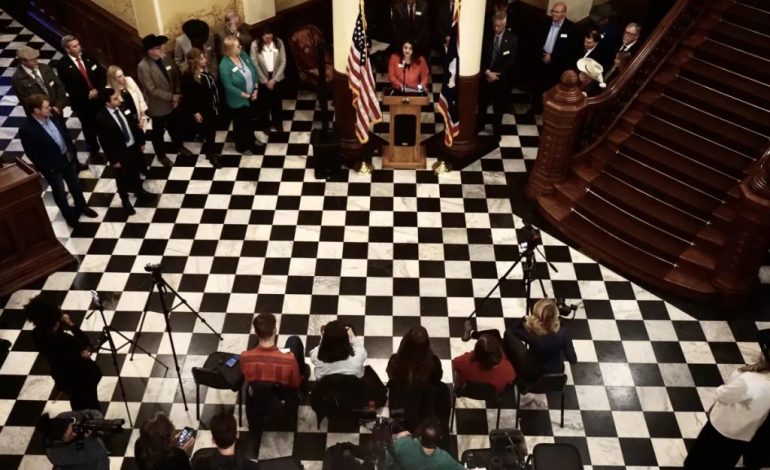
With the Wyoming 2026 legislative session just around the corner, the stage is set for a classic clash of visions: conservative Republicans in the Freedom Caucus are gunning to shrink state spending, while Democratic lawmakers are highlighting concerns about housing, healthcare, and public services.
On Monday, the Wyoming Freedom Caucus rolled out its top five priorities for the budget session. The centerpiece: a plan to “return to pre-pandemic spending levels and curb growth of government.” According to the group, this is all about responding to the people of Wyoming and cutting what they see as unchecked spending in Cheyenne.
Other priorities include:
- Making pen-and-paper ballots the default in all counties (currently Laramie County defaults to touchscreen “express voting”).
- Strengthening parental rights by allowing parents to sue if they feel those rights are violated.
- Removing what the caucus calls “obscene pornographic materials” from children’s sections in public libraries.
- Codifying judicial transparency so the public has better access to court opinions, orders, and oral arguments.
Freedom Caucus leaders, including Rep. John Bear (R-Gillette) and Speaker Chip Neiman (R-Hulett), have repeatedly said that their push is not about massive cuts in any single agency. Bear emphasized Monday that “no 30% cuts” to departments like Health are planned, despite public fears.
Still, the caucus has been aggressive in its approach, having previously “DOGE‑d” (Department of Government Efficiency) the Wyoming Department of Health budget to scrutinize every dollar, echoing Trump-era federal budget tactics. And while exact numbers for cuts haven’t been released, the caucus has made it clear it wants the state spending dial turned down to pre-pandemic levels.
Across the aisle, Democratic Reps. Karlee Provenza (Laramie) and Mike Yin (Jackson) are zeroing in on issues that resonate with everyday Wyomingites. Over the past several months, they’ve held 10 listening sessions statewide, gathering input from residents on what matters most.
Common themes included:
- Affordable housing;
- Access to healthcare and reproductive services;
- Mental health support;
- Brain drain and workforce retention;
- Protection of public lands.
Yin noted that these concerns are not just isolated to the state’s wealthiest counties – the feedback has been consistent across the state and across party lines.
“Everything that’s been written here isn’t something we haven’t seen before,” he said, highlighting the persistent nature of these challenges.
Provenza added a sober reminder: while identifying problems is easy, building consensus on solutions is much harder – and those debates will inevitably play out in the budget.
“Where we spend our money is where our values are,” she said.
At the center of this ideological tug-of-war is Wyoming’s two-year budget, which the Joint Appropriations Committee (dominated by Freedom Caucus members) is actively marking up. With the session set to run Feb. 9 to March 11, the committee aims to have a budget draft ready by week’s end.
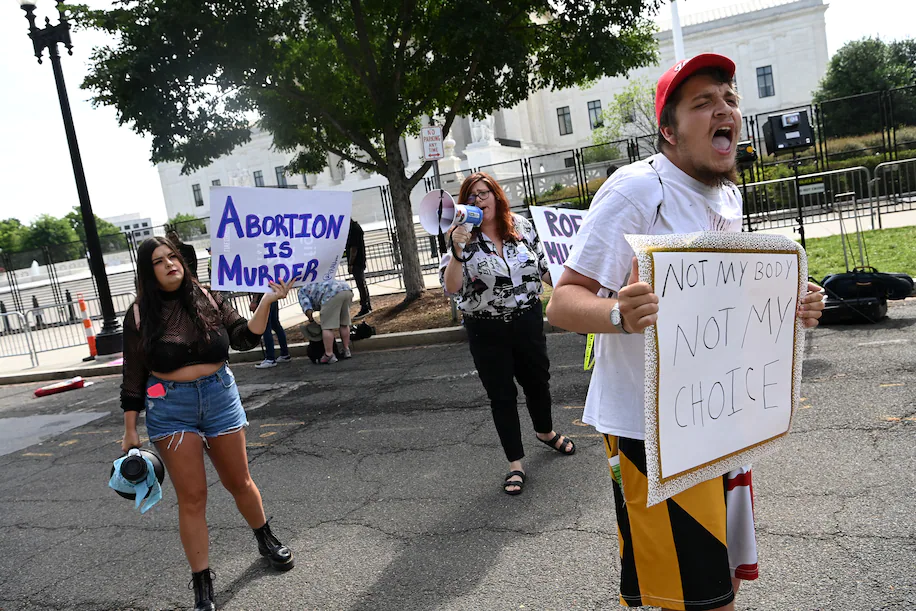
Freedom Caucus members are expected to continue advocating for restrained spending, modeled after their “pre-pandemic” target, while Democrats are pushing for investments in healthcare, mental health, and public services. The tension is compounded by the state Supreme Court blocking two abortion bans, with some conservative lawmakers already drafting measures – including a potential constitutional amendment – to limit reproductive rights, setting up another flashpoint in the session.
The 2026 session promises to be a test of competing priorities: one side focused on small government, reduced spending, and conservative social policies, the other on services, resident needs, and maintaining state programs.
In practical terms, expect budget debates to dominate the floor, with each side framing the fight around values as much as dollars. Republicans are likely to continue emphasizing fiscal discipline, while Democrats aim to spotlight the real-world consequences of cuts for families, healthcare, and local communities.
If past sessions are any guide, Wyoming residents can expect a mix of ideological battles, strategic compromises, and plenty of public commentary before any final budget hits Governor Mark Gordon’s desk in March.
The latest news in your social feeds
Subscribe to our social media platforms to stay tuned