

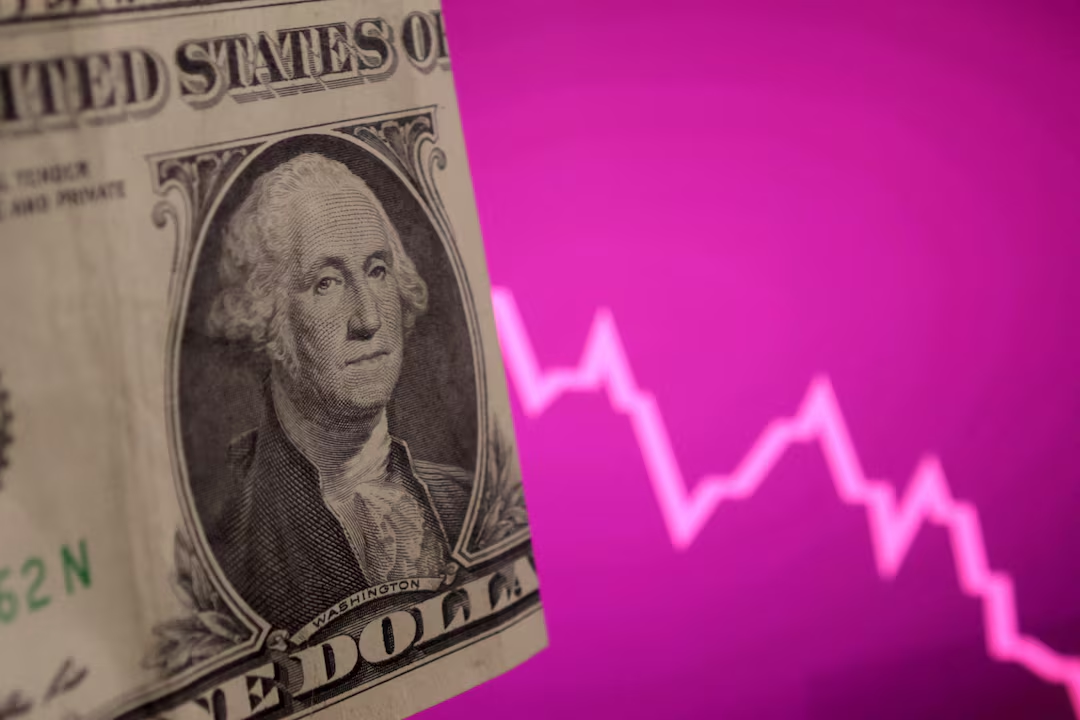

Markets Freak out — Dow Slides ~1,140 Points as Iran War Fans Oil and Inflation Fears

- Published March 3, 2026

Why the rout? The market’s worry meter flipped from “short skirmish” to “sticky disruption.” Overnight strikes and counterattacks widened the scope of the fighting: Israel said it was hitting targets in Iran and in Lebanon, and Tehran-backed Hezbollah launched strikes toward Tel Aviv. Even US diplomatic sites were struck, and non-emergency US staff were being moved out of several Gulf states. Add a warning from Donald Trump that the campaign could run far longer than expected, and traders hit the sell button.
Energy is the transmission belt that turned a regional conflict into global market stress. Oil prices surged again — the international benchmark Brent topped the low $80s — after reports that Iran threatened to choke off traffic through the Strait of Hormuz, the chokepoint for about a fifth of seaborne oil flows. When tankers sit idle and insurers pull coverage, the math for prices is simple: less supply, higher spot rates, more inflation angst.
That inflation anxiety is what made bonds act weird. Normally in a crisis, investors stampede into Treasuries and yields fall. This time yields rose — traders sold long-term bonds — because higher oil risks stoking inflation and making Federal Reserve rate cuts less likely. The dollar strengthened, gold bounced around, and the 10-year Treasury yield ticked up as markets readjusted to the idea of higher borrowing costs for longer.
The pain was global. Europe’s Stoxx 600 fell more than 3%, Japan’s Nikkei 225 dropped about 3%, and South Korea’s Kospi crashed over 7% — its worst session in months. Asian memory and chip stocks took a beating, dragging down regional markets that had been the engines of the year’s rally. Defense names popped like you’d expect; energy firms also outperformed as traders rotated into sectors that benefit from higher oil prices.
Some pockets of the market got hammered harder than others. Airlines and travel stocks sank — higher jet fuel and cancelled routes are a double whammy — while cruise lines and leisure names were also hit. At the same time, miners and commodity-exposed firms swung wildly as investors re-priced a possible global slowdown.
There’s history here: markets often overreact to geopolitical shocks before settling back. Strategists point out that in many past crises the S&P has recovered within a few months. But this one has a ticking complication: the Strait of Hormuz, rising natural-gas volatility, and attacks on energy infrastructure could turn a short flare-up into a real supply shock. If oil heads north of $100 and stays there, the risk to global growth and corporate profits becomes much more concrete.
Traders are split between two stories today. One camp treats this as a headline-driven panic that will calm once the fighting eases and shipments resume. The other thinks the conflict has already crossed a threshold — enough infrastructure at risk, enough political momentum, and depleted missile-defense stocks — that the disruption could be prolonged. That uncertainty is a brutal tax on markets.
Tuesday’s sell-off was ugly and fast. It wasn’t driven by earnings misses or a surprise Fed move; it was driven by war-risk math — oil up, inflation risk up, rate-cut hopes down. If you’re a long-term investor, history says don’t panic-sell. If you’re trading this stuff, expect whipsaw action as headlines keep churning and traders argue over whether this is a short storm or the start of something much larger.



The latest news in your social feeds
Subscribe to our social media platforms to stay tuned