

$140.9 billion Sentinel missile program pushed to make up time for delays
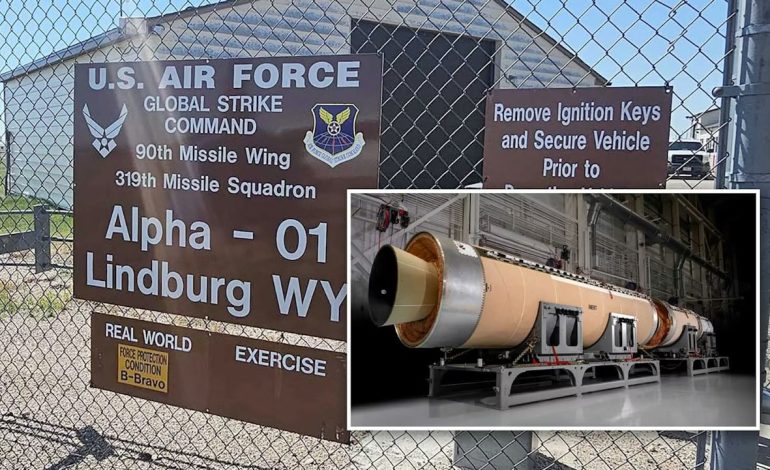

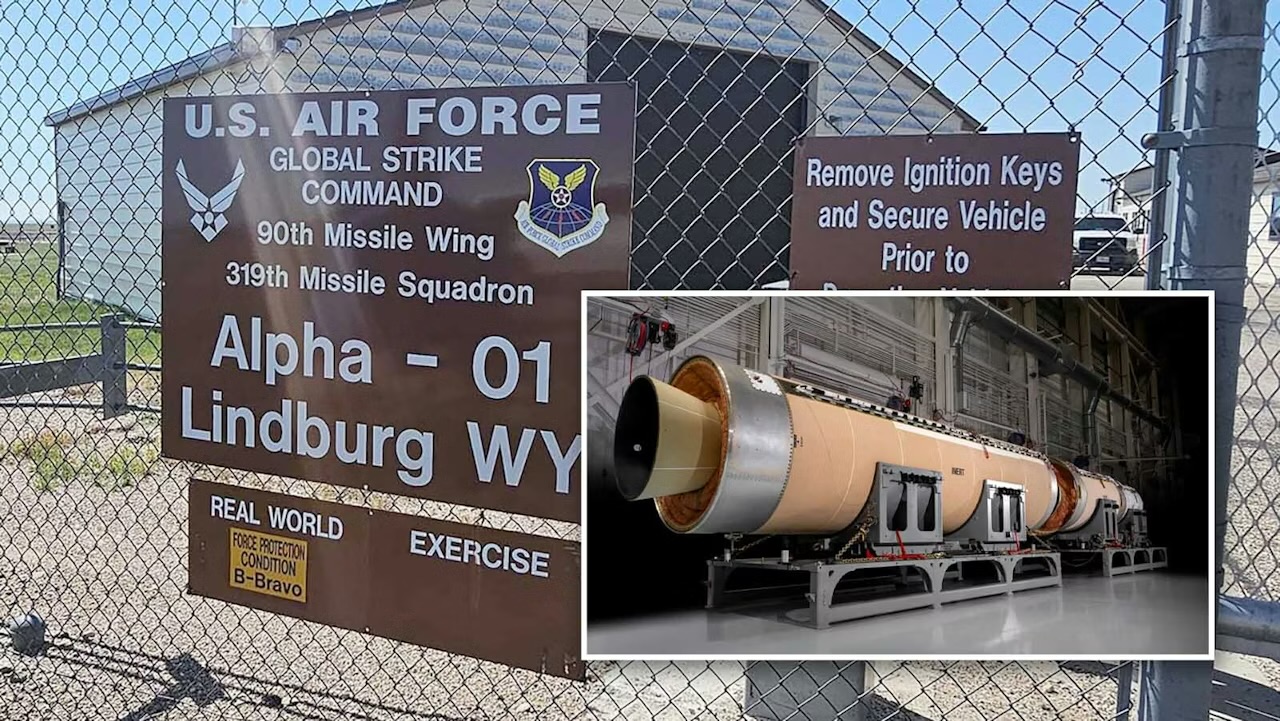
America’s new $140.9 billion nuclear deterrence program hit a major speed bump when soaring costs for the new Sentinel missile system triggered a Congressional review in 2024. Now the effort appears poised for a high-stakes game of catchup, with Wyoming at ground zero for a push many see as critical to national security. Pentagon and Northrop Grumman officials are touting “acceleration” and “momentum” in media releases. But what’s really happening, according to people who sit in on community meetings about Sentinel’s progress, is getting the project back to where it was supposed to have been.
“Things are definitely speeding up,” Wyoming Chamber of Commerce CEO Dale Steenbergen told Cowboy State Daily. “I guess more than an acceleration, we’re just kind of getting back on track.” Steenbergen is seeing more boots on the ground in Wyoming and surrounding states that are part of the missile upgrade. “There’s going to be a test bed for fiber done this summer in the missile field in Wyoming, Nebraska, and Colorado,” he said. “They announced they would test fire the new missile sometime in ’27, so an above-ground test.”
Northrop Grumman has also built a test launch site at Promontory in Utah, which company officials said will be key to minimizing risks for the entire project. “That effort is about building a prototype,” Northrop Grumman’s Sentinel spokesperson Matt Dillow told Cowboy State Daily. “And prototyping is really important in major acquisition programs like Sentinel because of the sheer scale of the program. It’s important that we do some risk reduction.” The test launch site will provide an early look at whether Northrop’s concepts and design approach will achieve everything they’re supposed to, while also helping understand construction challenges and workforce needs.
After that, the company will begin to scale up for accelerated construction at 450 launch silos. To make up for time, early test flights from pads at Vandenberg Space Force Base in California will start before new launch silos are fully built and certified. “That allows us to do some early testing of the missile itself without waiting for a launch silo to be built first,” Dillow said. “When you’re able to do things in parallel versus in a serial manner, then you’re able to get data and information sooner to accelerate the program.”
Sentinel was initially projected to cost around $78 billion, but the most recent estimate is $140.9 billion. Some of that is due to inflation, but there have also been unforeseen complexities, as well as a desire to improve infrastructure rather than try to retrofit aging Minuteman III silos. The cost overrun prompted a Nunn-McCurdy review and fresh criticism from arms control advocates and budget watchdogs who say Sentinel is an unnecessary and overly expensive upgrade. Pentagon officials and military experts, however, have insisted the program is essential to modernize America’s aging missile force.
Sentinel’s missile upgrade in Wyoming will come with huge economic ripple effects. The project will bring at least $2.6 billion in construction money to southeast Wyoming alone, as well as thousands of workers — anywhere from 2,000 to 5,000, according to estimates. That $2.6 billion figure is just for construction at F.E. Warren Air Force Base in Cheyenne. Modernizing the land-based portion of the nuclear triad is estimated to cost $107 billion. “If you’re going to put in 24 miles of fiber in a test bed in Nebraska this summer, I think we all know what that means,” Steenbergen said, referring to a boost in workforce. “There are a lot of people on the ground, and there’s a lot of economy that has already been spurred by Sentinel, and we’re not even to the big portion of it yet.”
For years, America’s land-based nuclear deterrent has been running on borrowed time. The aging Minuteman III missiles were buried across a large swath of the Great Plains in the 1960s and 1970s. Other countries have moved ahead with new technology and new capabilities. “I couldn’t be happier right now with what we are doing, that we are finally getting this back on track,” Steenbergen said. “Because while we are thinking about it, the Chinese are putting missiles in the ground. America has got to compete.” Sentinel’s first flight test is slated for mid-2027, with initial operational capacity in the early 2030s. The impact of the influx isn’t just a one and done — it tends to last for decades. “I expect on this one too, I think we’re going to have positive impact from this for the whole 50 years the missiles are here,” Steenbergen said.



The latest news in your social feeds
Subscribe to our social media platforms to stay tuned