




The original story by Andrew Nusca for Fortune.
Amazon is going after space – again, and this time with a bigger check.
The tech giant has agreed to buy satellite operator Globalstar for $11.6 billion, a move that looks a lot like a direct challenge to Elon Musk’s Starlink empire. The goal is straightforward: expand Amazon’s low-Earth orbit ambitions and bring satellite connectivity straight to everyday devices.
Think phones that stay connected even when cell towers disappear. That’s the pitch. By folding Globalstar into its plans, Amazon wants to roll out direct-to-device services – voice, text, data – no matter how far off the grid users wander.
There’s an interesting twist here. Globalstar already powers emergency satellite features on iPhones, meaning Amazon could quietly end up sitting behind connectivity on Apple devices. Strange alliances, but not unheard of in tech.
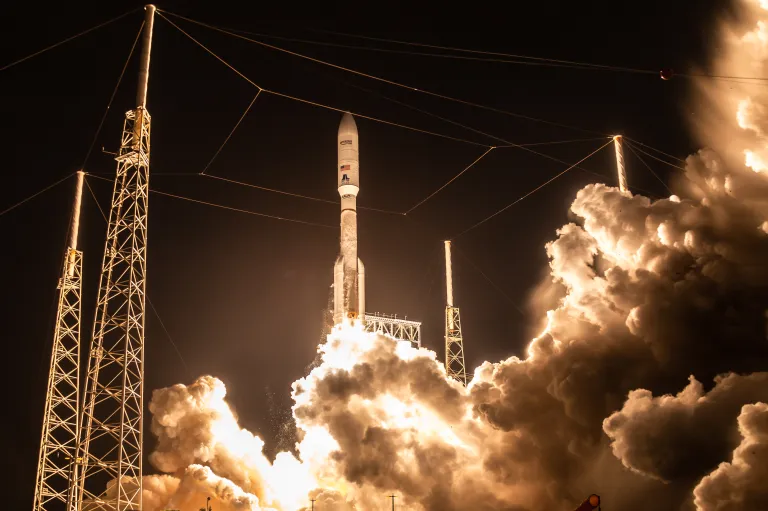
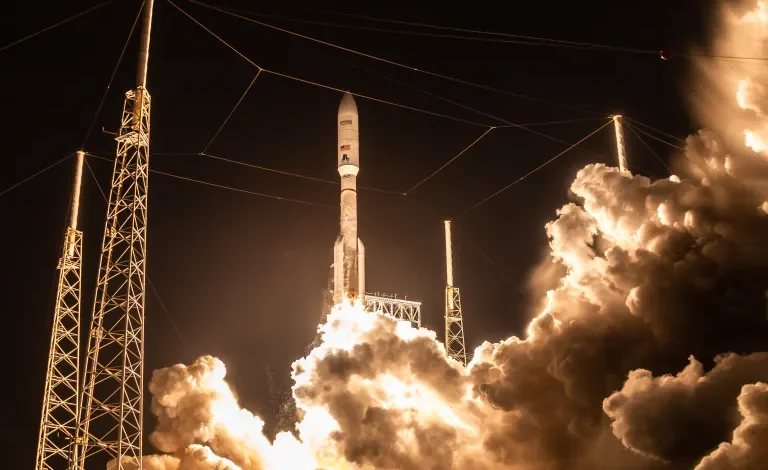
Still, Amazon is playing catch-up. Starlink has already flooded orbit with roughly 10,000 satellites. Amazon? Just over 200 so far, with a few dozen more tied to Globalstar. The company’s long-term target – 3,200 satellites by 2029 – sounds ambitious, but getting there depends on one stubborn bottleneck: launches.
That’s where Jeff Bezos’ Blue Origin is supposed to step in. The rocket company is building out heavy-lift capabilities, but cadence remains an issue. Launching satellites regularly – and cheaply – is harder than it looks, especially when your main competitor literally owns the rockets.
Zoom out, and the deal fits into a bigger pattern. Tech giants are stacking up infrastructure – satellites, chips, data centers – as AI demand explodes. According to recent industry data, the US still dominates in computing capacity, even as China keeps pace in model development. The race isn’t slowing down; it’s widening.
There’s a catch, though. Public trust hasn’t kept up. Experts are bullish on AI’s impact, but most people aren’t sold. That gap is starting to matter, especially as companies push deeper into critical systems – from communications to security.
Amazon’s satellite play lands right in the middle of that tension. More connectivity, more capability – but also more reliance on systems most people barely understand.



The latest news in your social feeds
Subscribe to our social media platforms to stay tuned