



With input from NBC News and the New Yorker.
Anti-AI groups are scrambling to draw a clear line: whatever happened to Sam Altman, they say, has nothing to do with them.
That message got louder this week after a Molotov cocktail attack on Altman’s home in San Francisco, allegedly carried out by a 20-year-old man driven by fears about artificial intelligence. No one was hurt, but the incident rattled the tech world – and quickly pulled activist groups into the spotlight.
Some of those groups, including the nonprofit PauseAI, moved fast to distance themselves. The suspect had briefly participated in one of their public online forums, but the organization stressed he had no role, no backing, and no encouragement from them. Just as bluntly, they condemned the attack outright, calling violence “antithetical” to what they stand for.
That hasn’t stopped critics from trying to link the broader anti-AI movement to the incident. Activists aren’t having it. Their argument is simple: the movement is built around protests, lobbying, and public pressure—not intimidation or attacks. And if anything, they warn, painting peaceful critics as extremists risks making things worse.
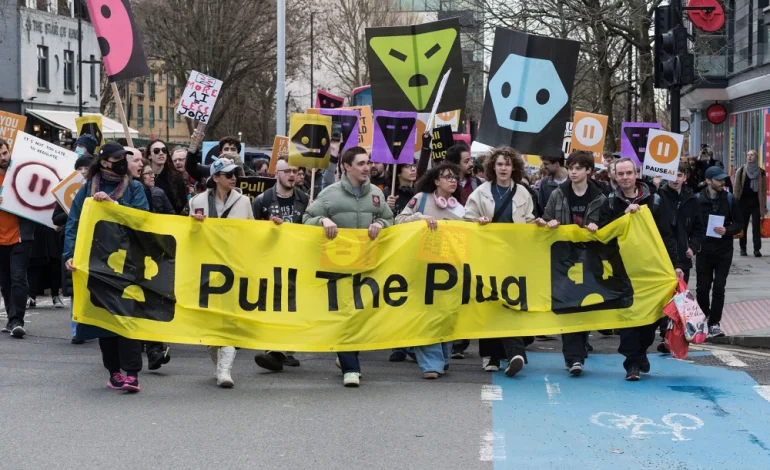
There’s a deeper anxiety underneath all of this. Opposition to AI isn’t fringe anymore – it ranges from policy think tanks to street protests and even hunger strikes. Most of it is loud but nonviolent, focused on slowing down development until safety concerns are addressed.
Still, the tone of the debate has been heating up. Industry leaders, including Altman himself, have urged people to dial it down, warning that apocalyptic rhetoric around AI risks could spill over into real-world harm.
Activist groups, for their part, are trying to reframe the conversation. They argue that organized, peaceful movements are actually a safety valve – giving worried people somewhere to channel concerns without crossing a line. Without that outlet, they say, you’re left with isolated individuals acting alone. That’s the scenario they fear most.
The result is an uneasy moment for the AI debate. Public concern is rising. So is the temperature. And now, after a real-world attack, both sides are being forced to confront what happens when the rhetoric stops being theoretical.


The latest news in your social feeds
Subscribe to our social media platforms to stay tuned