




With input from the Financial Times, Forbes, and AFPC.
For decades, American foreign policy had a quiet constraint: energy dependence. Oil had to flow, especially from unstable regions, and that reality shaped decisions in Washington more than officials liked to admit.
That constraint is fading. Fast.
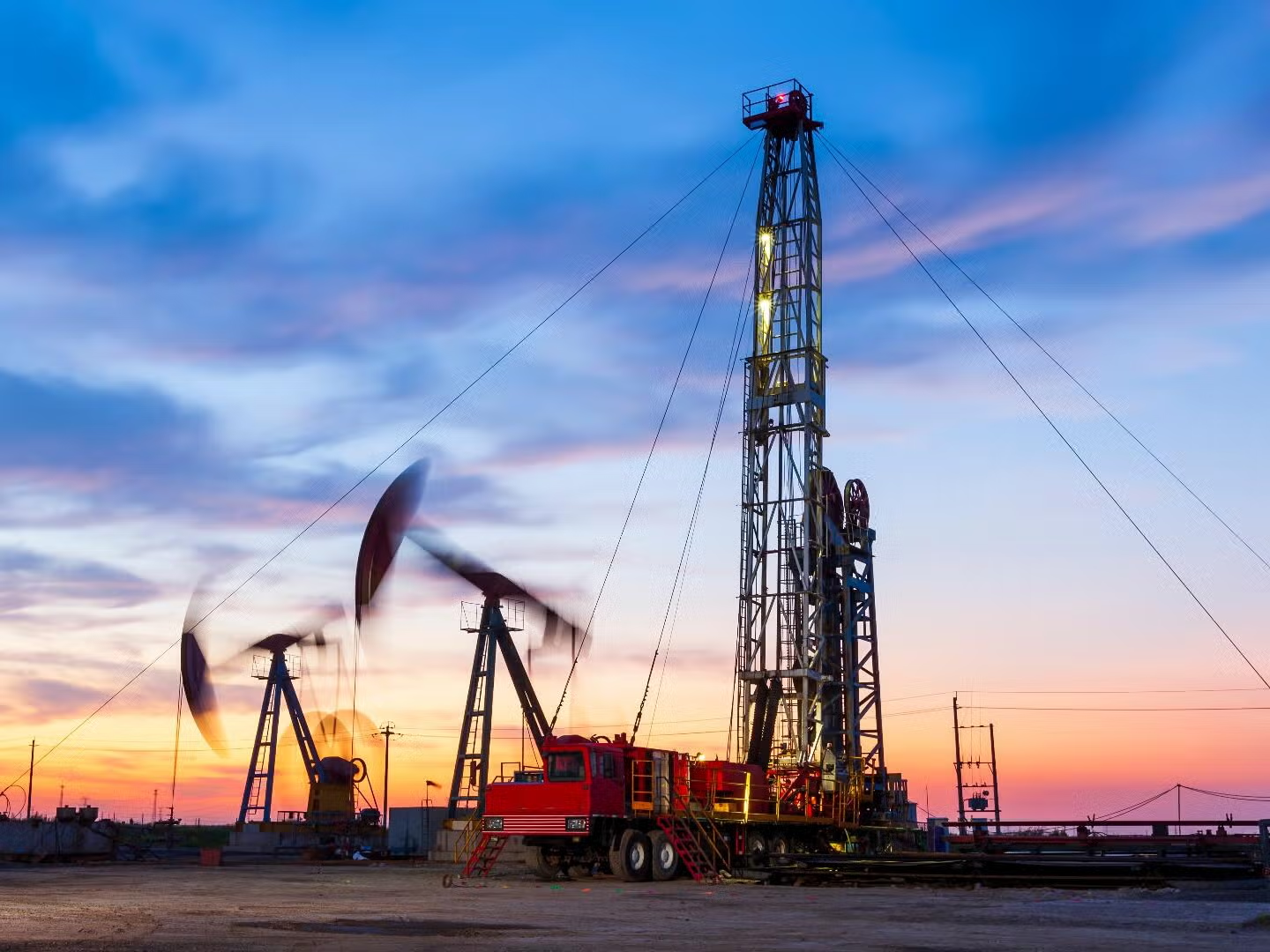
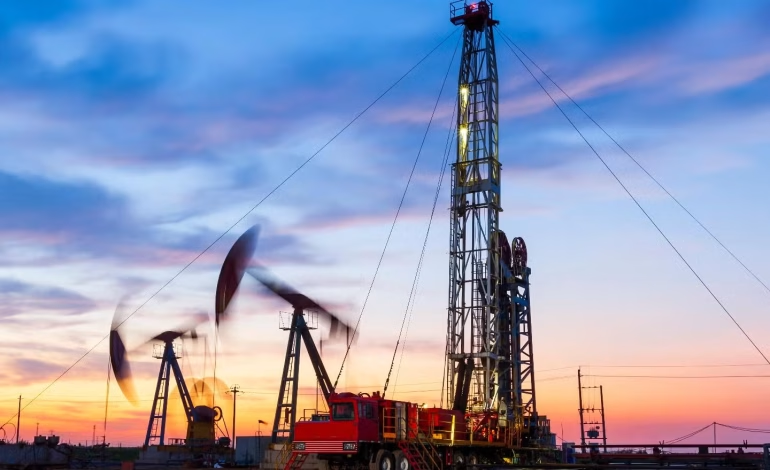
The US is now producing more energy than it consumes, a shift driven largely by the shale boom that turned the country into a net exporter in recent years. What once looked like a strategic vulnerability is starting to resemble something closer to insulation – and maybe even freedom of action.
But that freedom comes with a twist.
Energy independence doesn’t mean the US is sealed off from global markets. Oil prices are still set globally, and shocks abroad – wars, blockades, political crises – still ripple through American gas stations. Still, dependence has loosened enough to change the calculus. Washington no longer has quite the same incentive to stabilize every oil-producing region or keep every shipping lane perfectly calm.
That matters.
When a country relies heavily on foreign energy, it tends to tread carefully. Supply disruptions can trigger inflation, political backlash, even recession. When that reliance shrinks, so does the pressure to avoid confrontation. Policymakers gain room to maneuver. Risks that once looked unacceptable start to feel manageable.
You can already see hints of this shift. The US has been more willing to use sanctions, more willing to tolerate disruptions in global oil flows, and more comfortable taking geopolitical positions that might have once threatened its own energy security. The cushion provided by domestic production changes how those decisions land at home.
There’s a psychological shift, too. Energy abundance breeds confidence. It encourages the idea that the country can act without paying the same price it once did. That doesn’t automatically translate into aggressive policy – but it lowers the barrier.
Still, the picture isn’t clean.
The US may pump vast amounts of oil, but it remains tied to a global system. Refineries, trade flows, and pricing mechanisms all connect American energy to the rest of the world. A crisis in the Strait of Hormuz can still push up prices in Texas. Independence, in practice, looks more like partial insulation than true autonomy.
And that’s where things get tricky.
Because even partial insulation can be enough to change behavior. If policymakers believe the risks are lower, they may act more boldly – whether or not that confidence is fully justified. Energy security, once a brake, becomes less of a constraint. In some cases, it may even become a tool.
The result is a subtle but important shift in global dynamics. A country that once had to worry constantly about keeping oil flowing is now less bound by that concern. That doesn’t guarantee more confrontation. But it makes it easier to imagine.
Energy used to tie America down. Now, it might be pushing it forward.


The latest news in your social feeds
Subscribe to our social media platforms to stay tuned