



Bloomberg, the New York Times, CNN, BBC, NBC News, the Financial Times, and AP contributed to this report.
China’s economy came out swinging in the first quarter, posting a stronger-than-expected 5% growth rate even as the Iran war rattled global trade and energy markets.
That’s an uptick from the previous quarter’s 4.5% and a solid beat versus forecasts. Not bad, considering the timing: Beijing is the first major economy to report GDP since the conflict between the US, Israel, and Iran kicked off in late February.
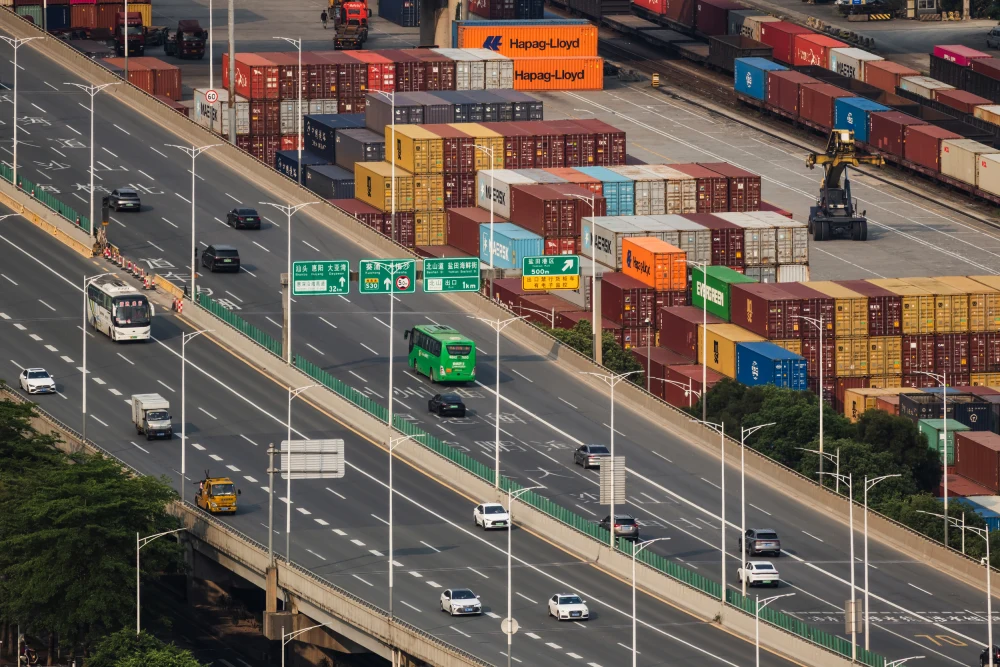
What’s driving it? Factories. Lots of them.
Exports – especially electrical and mechanical goods – did the heavy lifting. High-tech manufacturing, green energy products, and semiconductors all helped push the numbers higher. Shipments of electric vehicles, batteries, and wind equipment surged, in some cases by more than 50% year over year. For a country that’s spent years climbing the value chain, this is exactly the payoff it’s been chasing.
Officials called it a “solid start.” Then came the caveat.
Behind the headline growth, the outlook is getting shakier. Chinese policymakers warned that conditions outside the country are turning “complex and volatile,” a polite way of saying the global economy is wobbling. War-driven energy spikes are pushing up costs, while weaker demand abroad threatens to hit China where it relies most: exports.
And there are already cracks. After a blistering start to the year – exports jumped more than 20% in January and February – growth slowed sharply to just 2.5% in March as the war disrupted shipping routes and raised logistics costs. For the full quarter, exports still look strong, but momentum is clearly cooling.
That matters because China is leaning on exports more than ever. Its trade surplus hit a record last year, and that dependence isn’t going away. If global demand softens, Beijing doesn’t have many easy substitutes.
At home, things look less impressive.
Consumers are still holding back. Retail sales growth slowed to 1.7% in March, down from earlier in the year, as households deal with a lingering property crisis and rising prices. Subsidies that once boosted spending are fading, and confidence hasn’t really come back.
Factories, meanwhile, are feeling a different kind of pressure. Producer prices just turned positive for the first time in years – not because demand is booming, but because costs are rising. Oil and raw materials are getting more expensive, and those increases are starting to ripple through the system. That’s not the kind of inflation policymakers were hoping for.
China isn’t completely exposed to the energy shock – it has stockpiles and diversified suppliers – but higher global prices still sting. Airlines are cutting flights, fuel costs are climbing, and manufacturers are paying more for inputs.
For now, the economy is holding up. Growth is on target. Exports are still carrying the load.
But the balance looks fragile. Strong supply, weak demand, and a world that’s getting harder to sell into. If the war drags on or global growth slows further, the next set of numbers could tell a very different story.



The latest news in your social feeds
Subscribe to our social media platforms to stay tuned